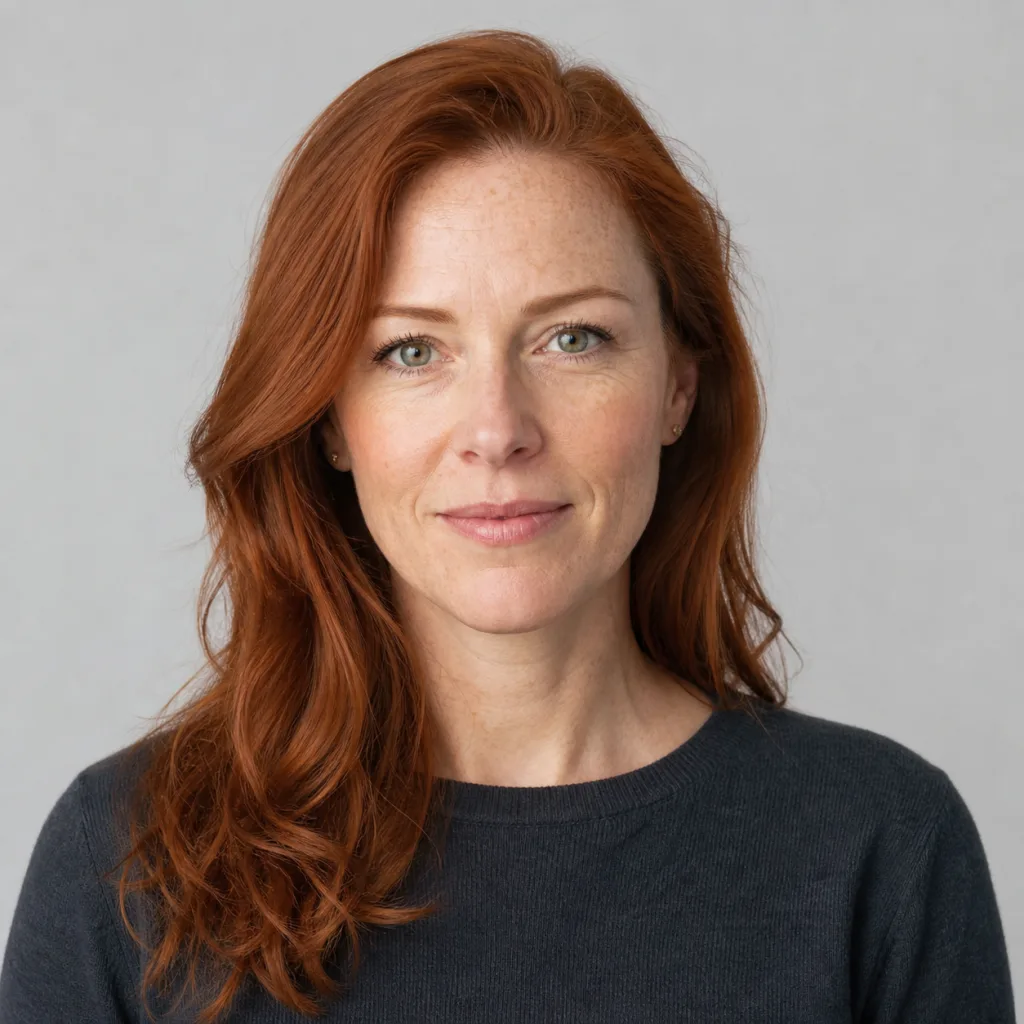
Elín leads permafrost and freshwater research for the fictional Still North institute. She follows water across thawing ground, from soil and groundwater into streams, connecting permafrost change with minerals, acidity, habitat, and the practical limits of sparse monitoring.
She approaches an orange stream as a question, not a diagnosis. Color can indicate exposed minerals and changing chemistry, but its causes and consequences depend on geology, hydrology, timing, and prior conditions. Elín builds explanations from measurements while keeping alternative mechanisms visible until evidence narrows them.
Education
Elín earned a PhD in earth sciences from the University of Cambridge and a BSc in geology from the University of Iceland. Her training included geomorphology, aqueous geochemistry, hydrogeology, field mapping, and the interpretation of environmental records with incomplete spatial and seasonal coverage.
Experience
Her fictional career has connected thaw, hydrology, and river chemistry. She has designed sampling plans that pair water measurements with catchment context, worked through contamination controls, and compared repeated observations rather than relying on a striking photograph. She also understands the logistical gaps that leave many watersheds poorly observed.
Current focus
Her current focus is how monitoring can distinguish a transient event from a lasting chemical shift. She looks at source minerals, flow paths, metals, acidity, and biological relevance together. She supports open methods and community-led priorities, especially where water quality has direct importance for people and ecosystems.
Beyond work
Elín knits fitted sleeves that protect small sensors in transport and takes cold-water dips when conditions are safe. She enjoys geological maps for the stories held in their boundaries, but keeps reminding students that a boundary on paper is a model rather than a wall in the ground.