Amina Okafor
-
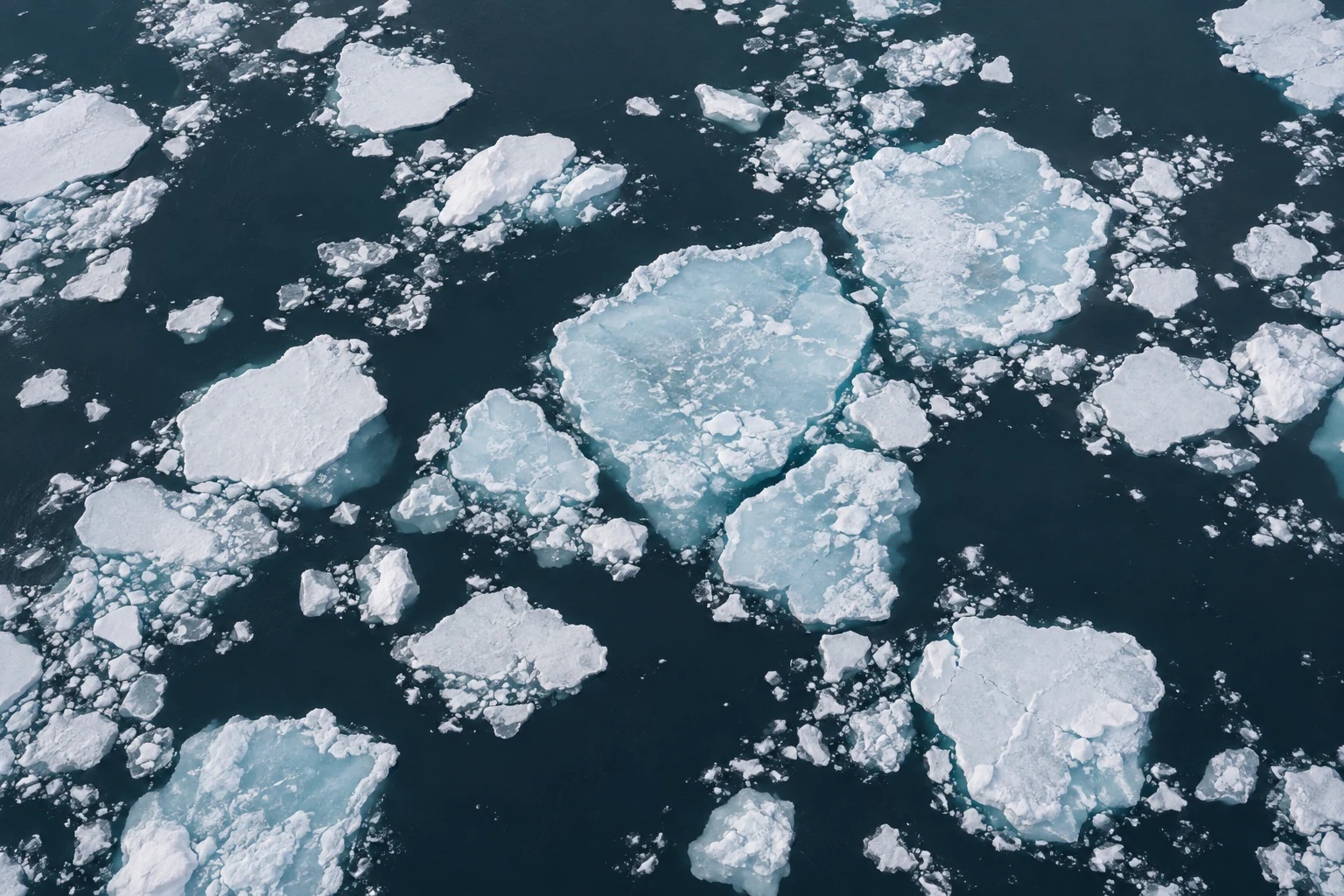
Read the Arctic Report Card beyond the headlines
Follow a headline into its definition, table, calendar, and method, from daily sea ice minima to the limits of an observing-network assessment.
-
Say what is uncertain, precisely
Distinguish measurement ranges, confidence, mechanisms, and policy choices. Specific limits make climate evidence more usable than vague caution.
-
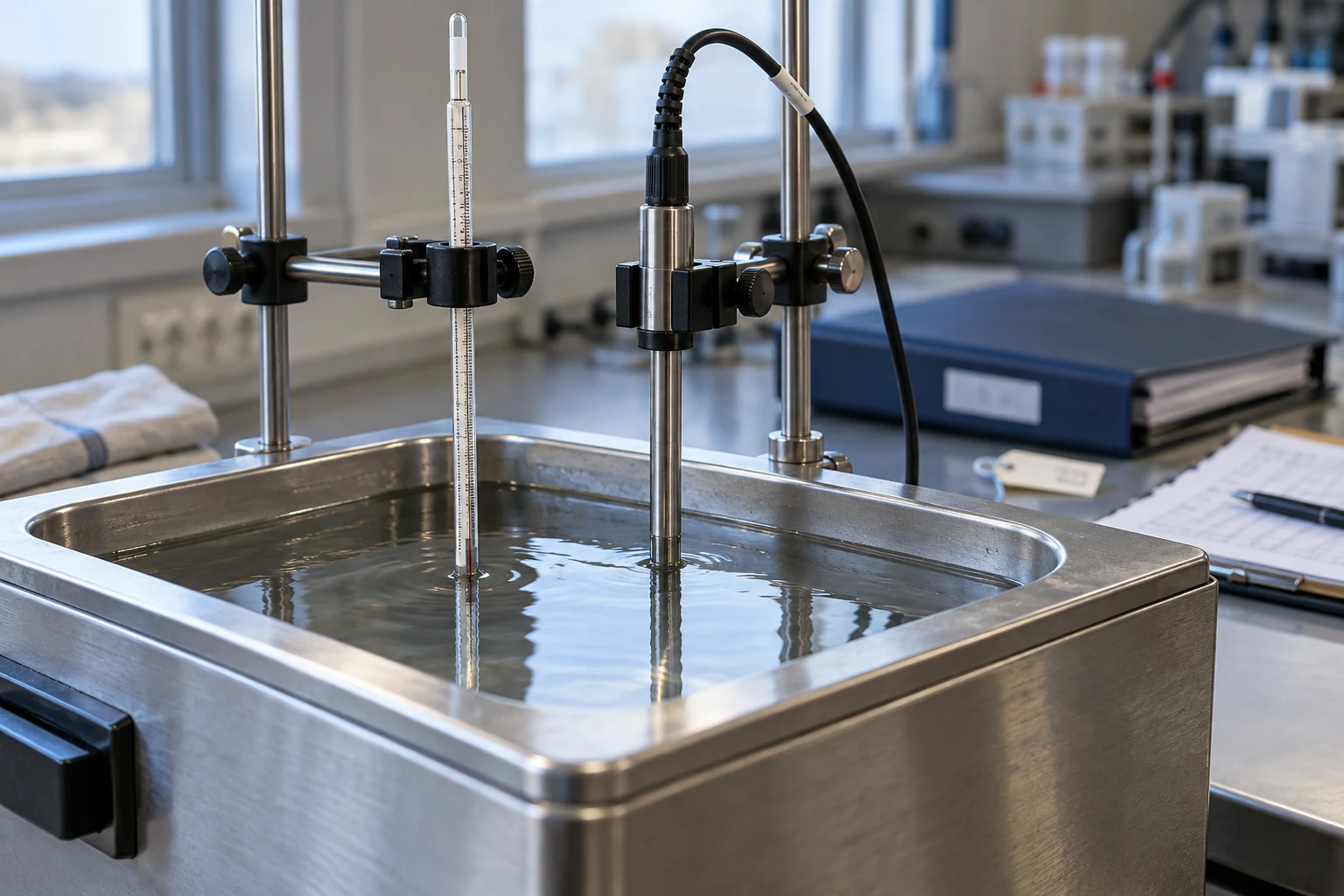
The calibration record behind a trusted number
Traceability, adjustment, field checks, and sensor replacement: why a certificate cannot carry the whole uncertainty of a measurement.
-

Keep the question small when you disagree
Separate observations, causes, uncertainty, and policy choices so that a difficult climate discussion can return to a claim the evidence can answer.
-
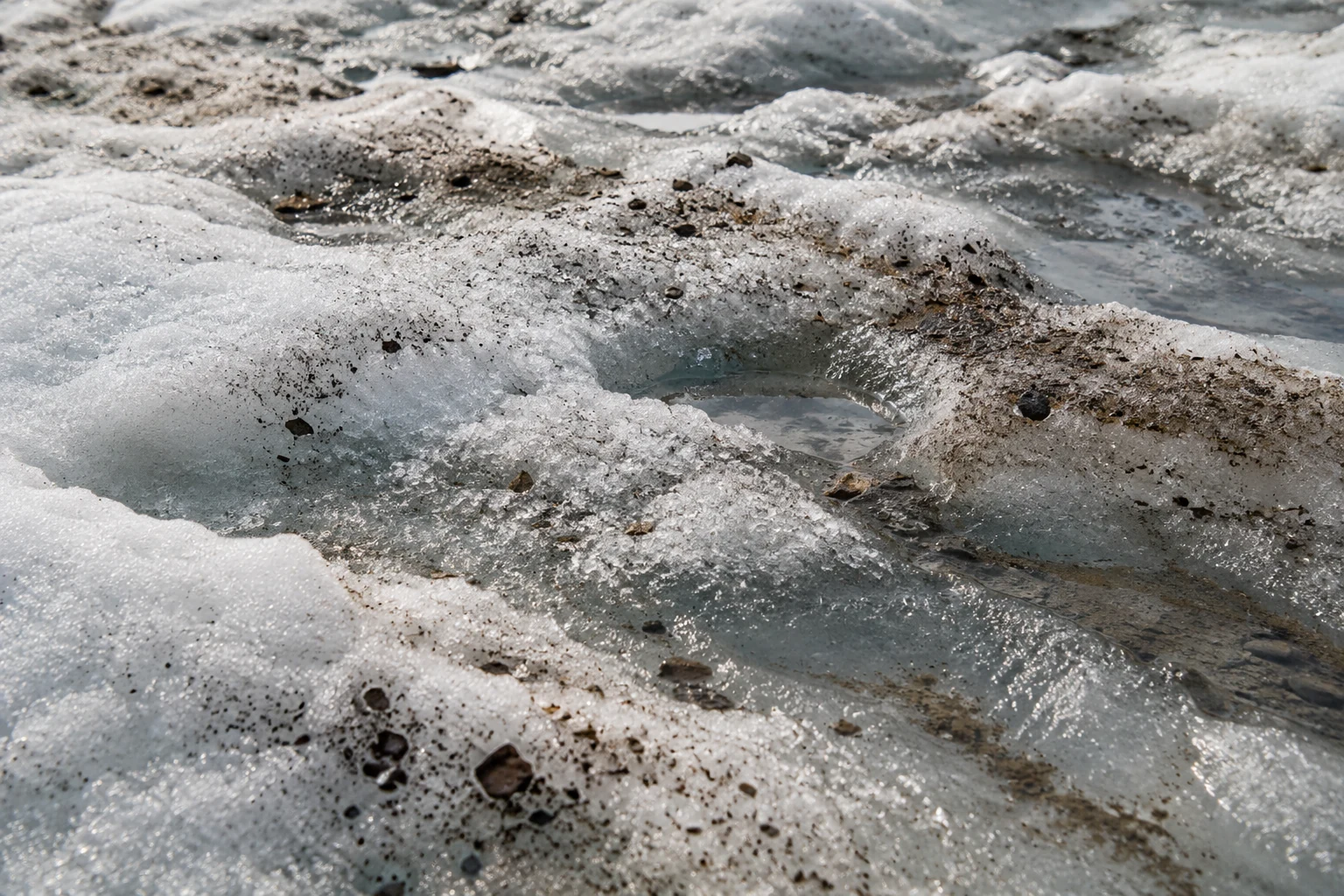
Greenland’s dark ice has more than one cause
Snow retreat, glacier algae, particles, and ice texture all influence reflectivity. Separate the observed darkening from its cause and melt consequence.
-
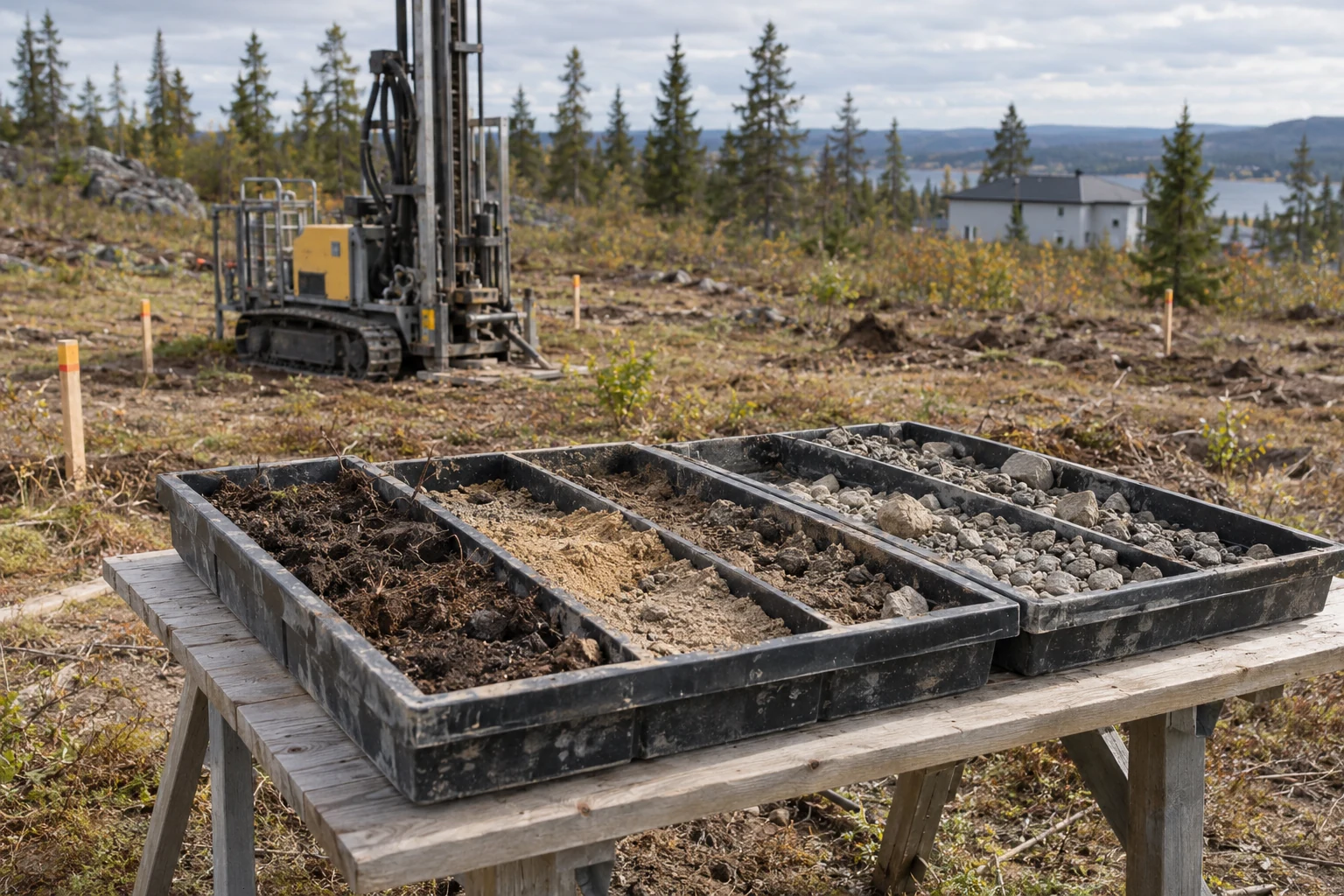
A permafrost map cannot inspect a building plot
Read extent classes, ground-ice estimates, map scale, and missing coverage before asking a regional map to answer a site-specific question.
-
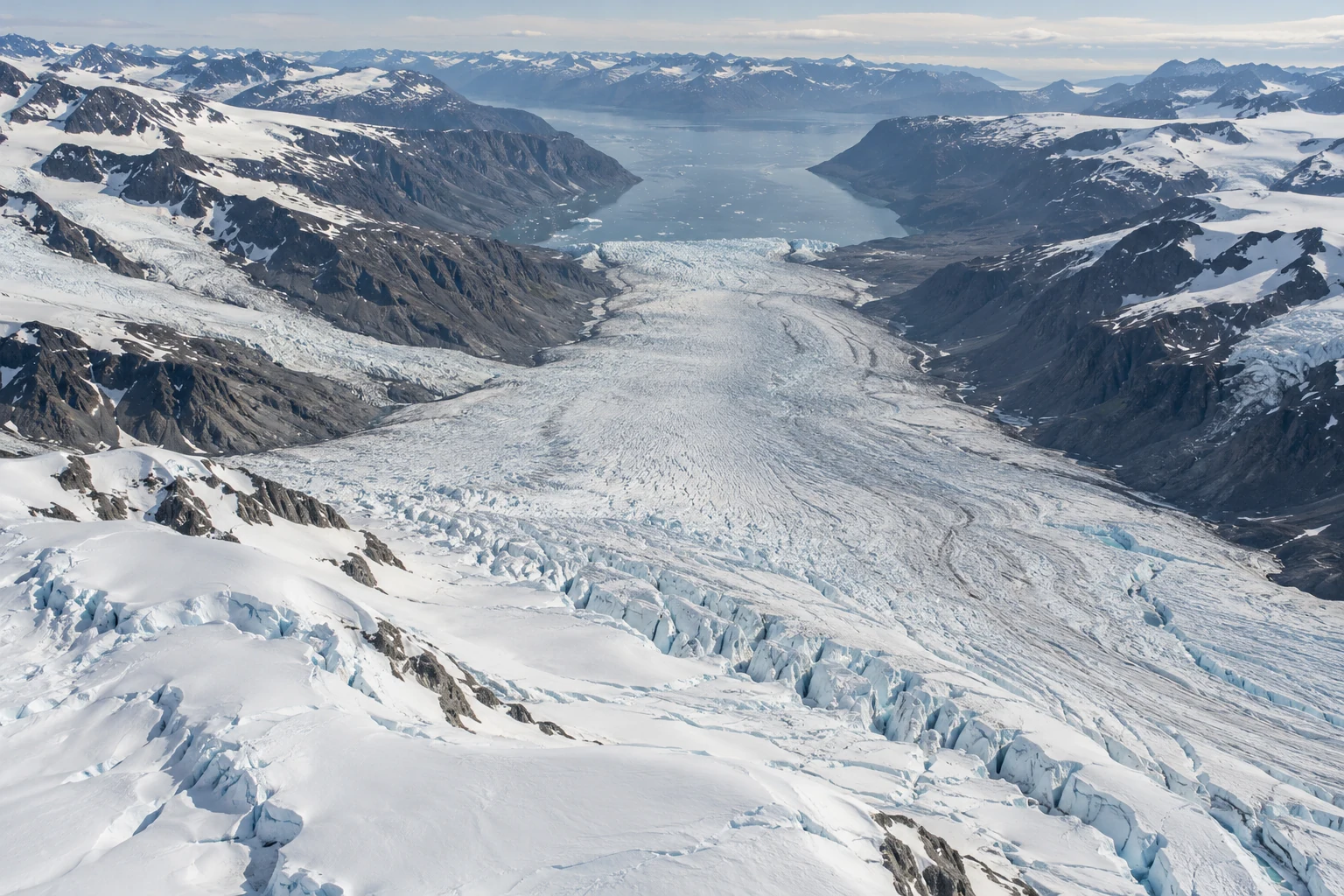
A glacier front is not a balance sheet
Why a glacier’s edge, speed, surface height, and total mass can tell different stories, with Greenland’s 2025 budget as a grounded example.
-
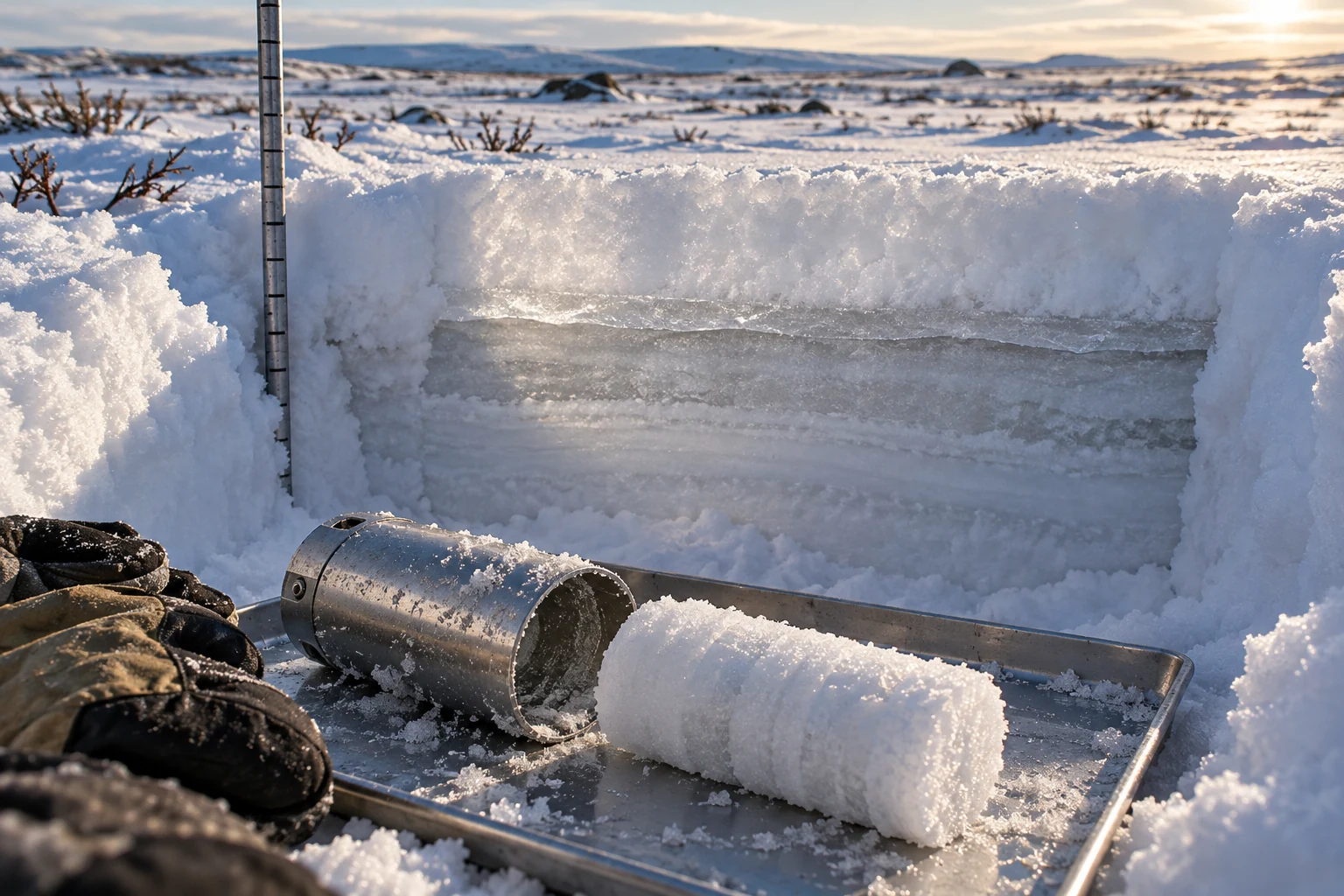
How much water is in that snow?
Equal snow depths can hold different amounts of water. Density, wind redistribution, and sampling purpose determine what a winter measurement means.
-
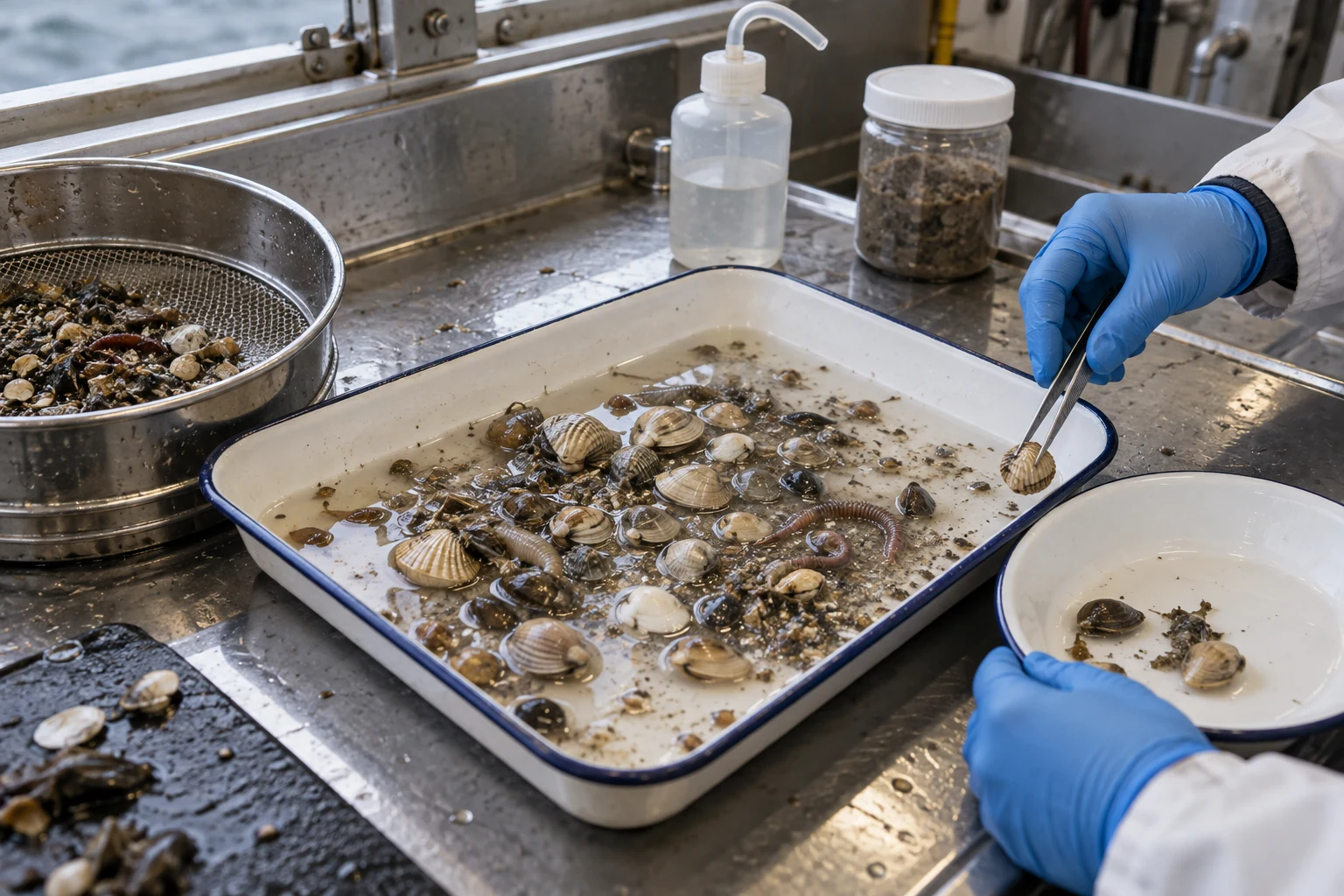
Testing a changing Arctic food web
A Bering and Chukchi Sea synthesis tests borealization against a different food-web mechanism. Mixed species responses, sampling gaps, and an exceptional first year sharpen the conclusion.