



An observation becomes durable when another person can understand what was measured, how it was measured, and what changed between versions. Open access is useful, but a file without context, stewardship, or responsible governance can remain unusable or cause harm. This fictional programme joins technical openness with clear limits.
Methods travel with the data
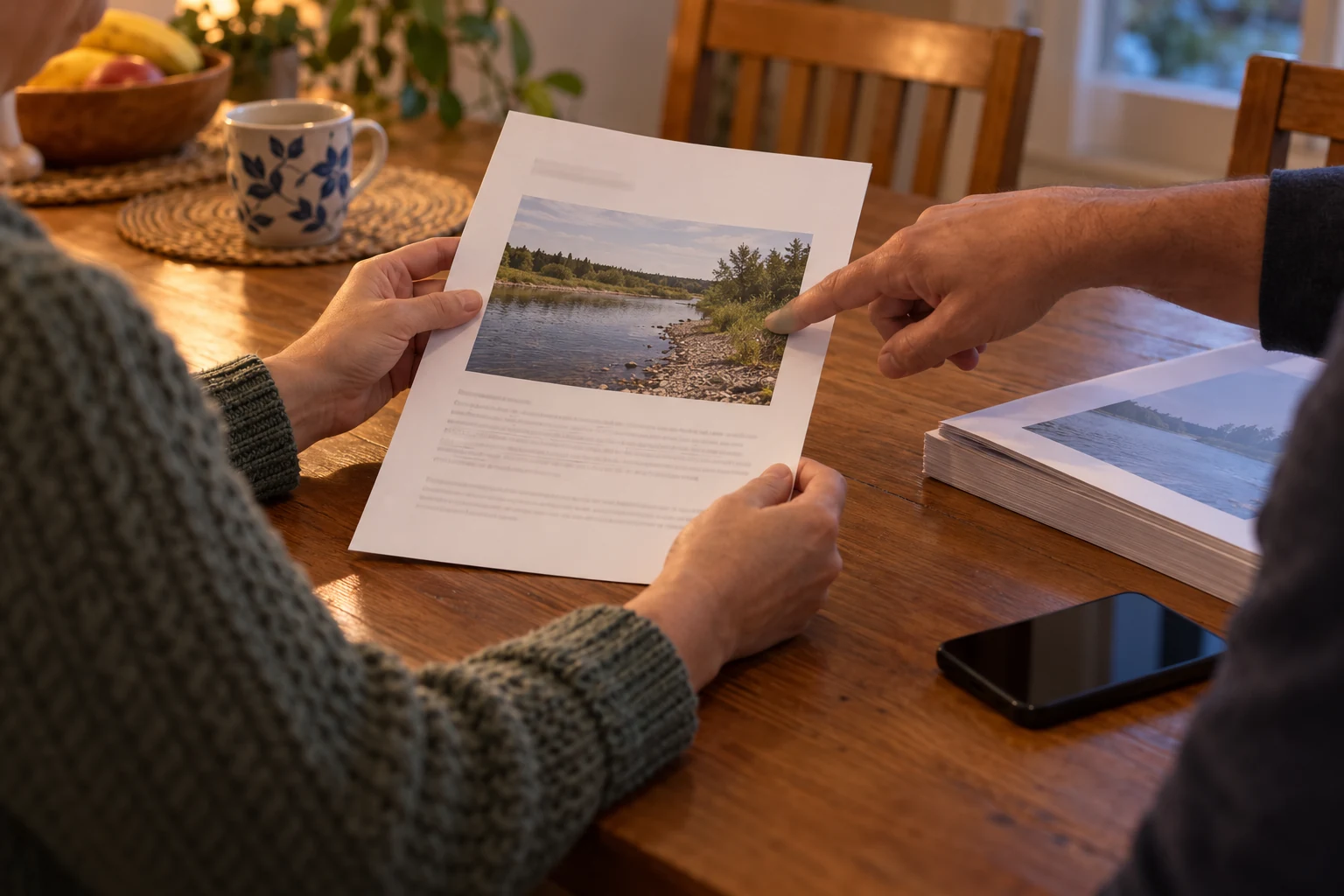
A table of values needs units, time, location scale, instrument or protocol, calibration, quality flags, missing-value meaning, and a record of processing. A photograph needs date, purpose, caption, consent status, and any relevant editing. A model output needs version, input data, assumptions, and the baseline used for comparison. Without those links, reuse becomes guesswork.
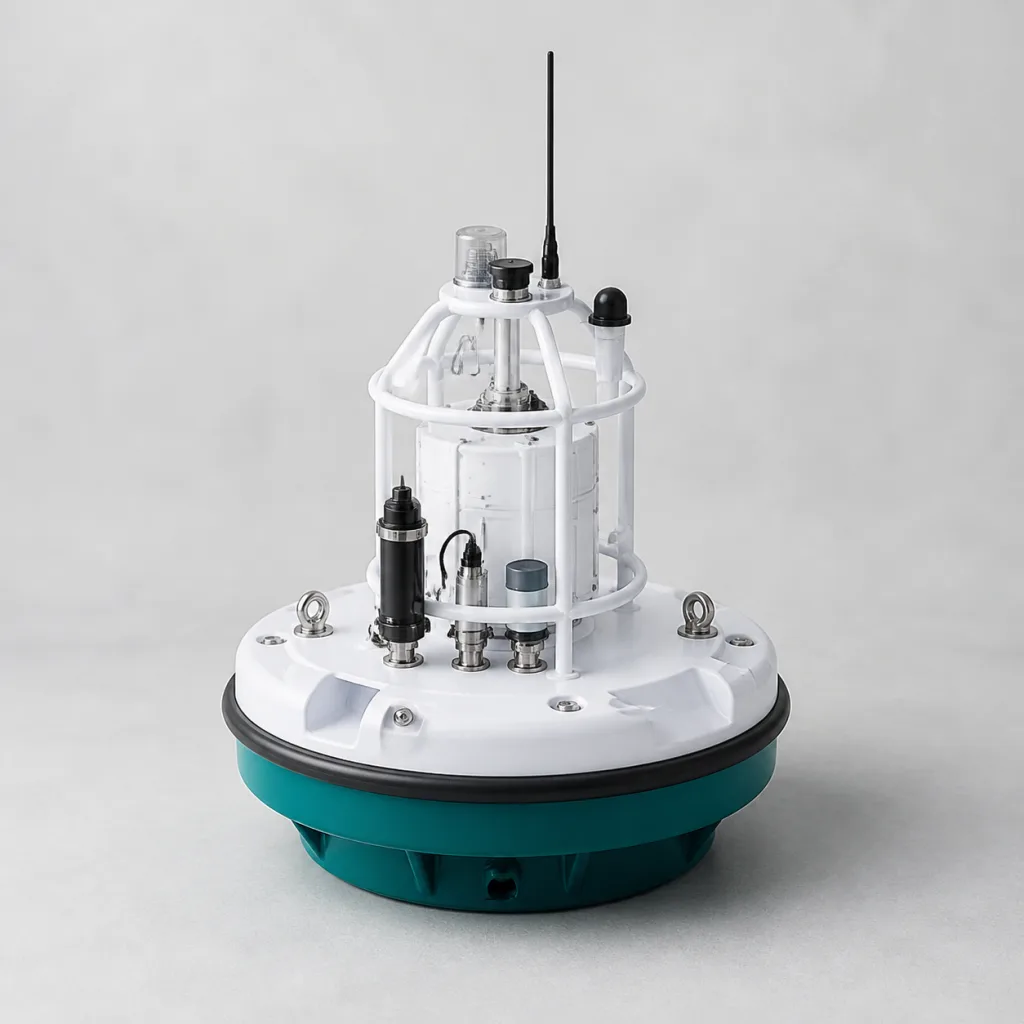
The NOAA Arctic Report Card assessment of the observing network describes strengths, gaps, and risks across systems that track Arctic change. Long records depend on stations, satellites, ships, community observations, data centers, maintenance, and skilled people. A gap is not empty space on a map. It reflects decisions about resources, access, governance, and whose priorities shape observation.
Versioning is part of evidence
Methods improve. Sensors are recalibrated, algorithms change, historical records are reprocessed, and errors are corrected. A trustworthy repository keeps versions and explains why a number changed. Silent replacement may create a cleaner download, but it prevents readers from reproducing an earlier analysis or understanding the effect of a correction.
Persistent identifiers and clear licenses help, but they are not enough. Data may have ethical or governance conditions that a generic open license cannot capture. Contact information and review dates help future users ask whether a dataset remains current, whether access terms changed, and whether an apparent gap is a true absence or an unprocessed period.
Uncertainty should be usable
A confidence interval, quality flag, detection probability, or spatial resolution can be difficult to carry into a public result. Removing it creates false certainty. Presenting every technical detail at once can make the result inaccessible. Good design layers the explanation: a clear statement, visible limits, and a route to the method and source data. Search should retrieve those connected pieces rather than only the most confident sentence.
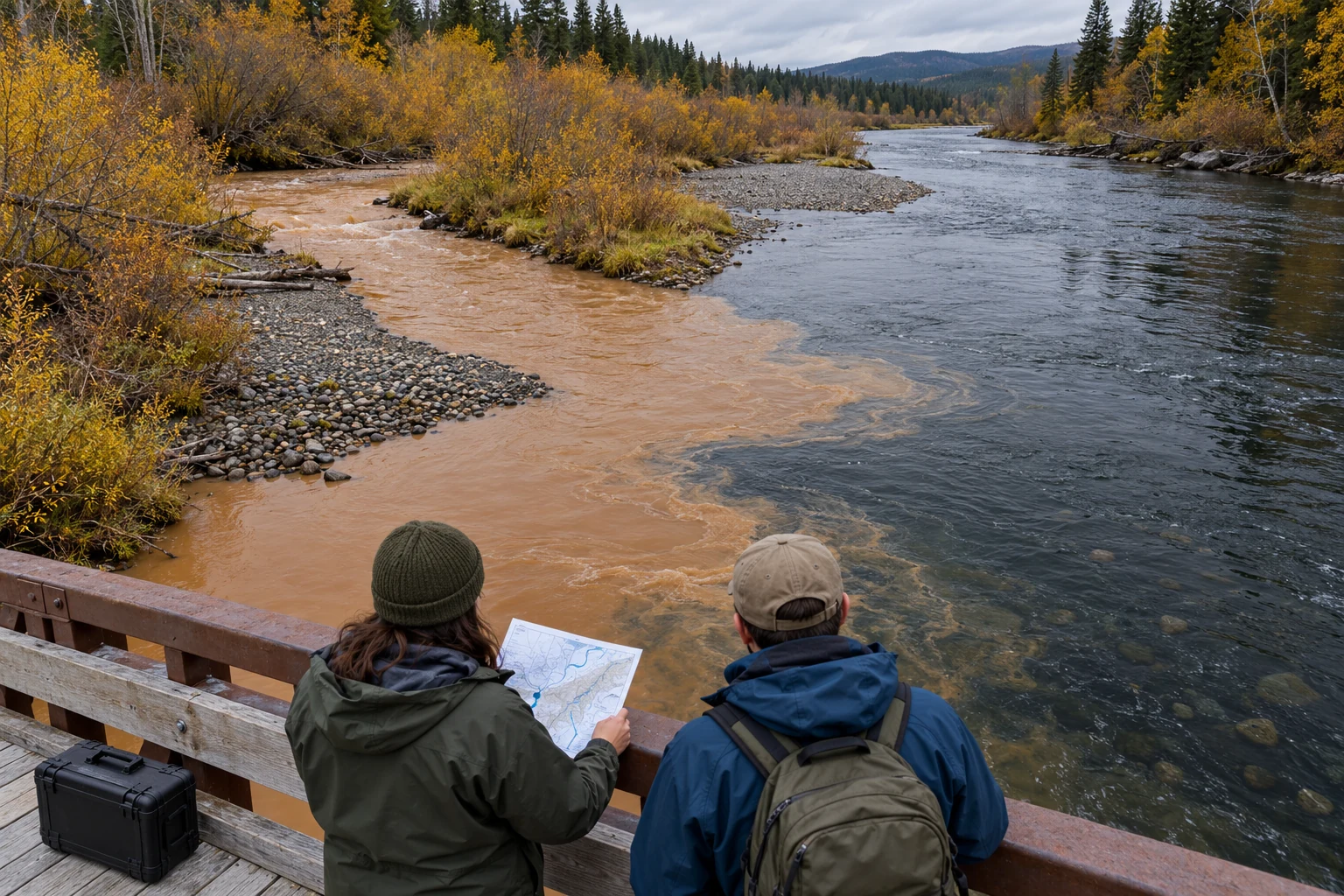
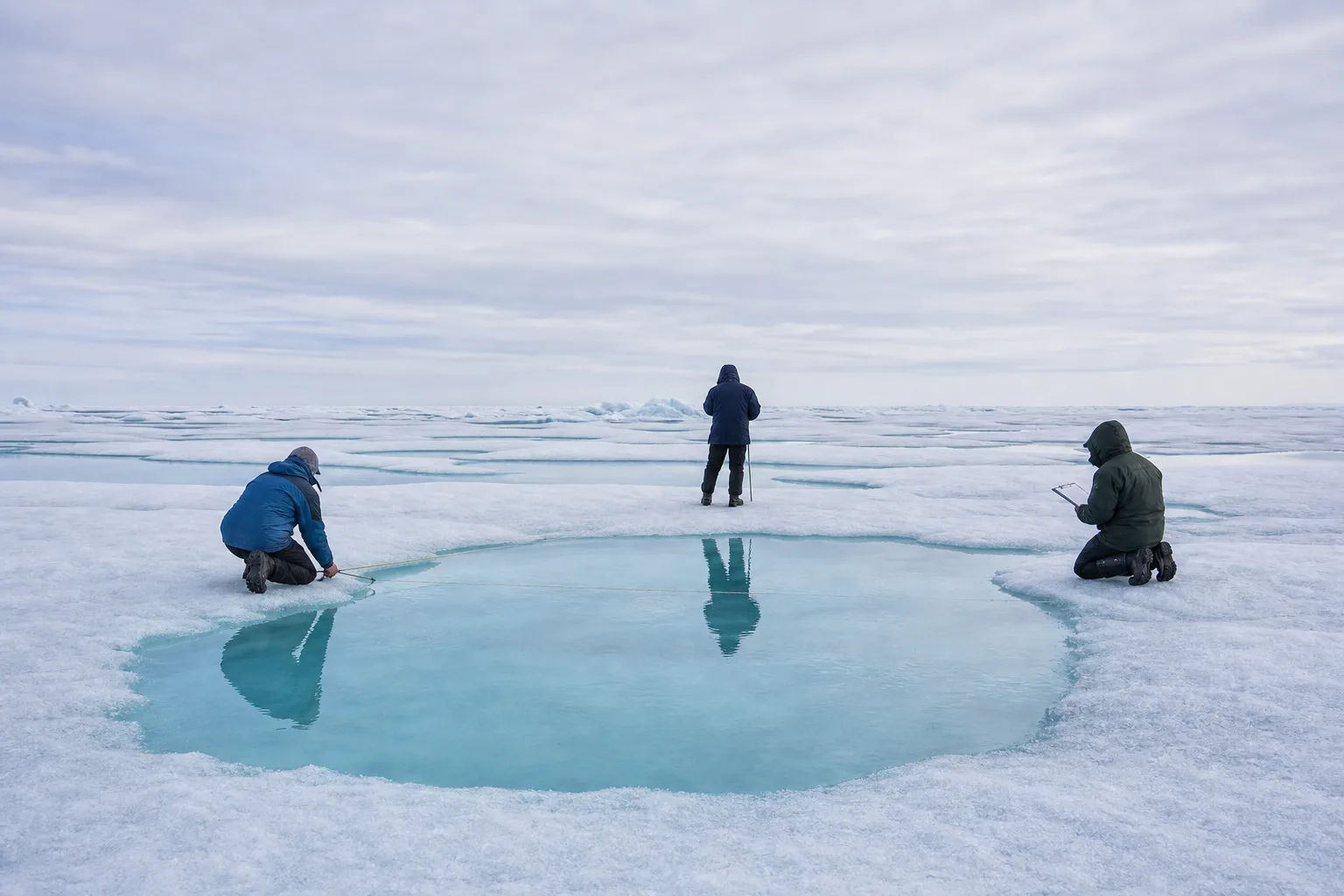
The fictional stories show several forms of uncertainty. A hydrophone may not detect a masked call. An ablation stake describes one location. A vegetation index summarizes a spectral signal. A river sample represents a time and flow condition. Each limit is specific and can guide the next observation.
A minimum durable record
- A stable title, responsible contact, and plain-language purpose.
- Method, units, spatial and temporal coverage, and selection rules.
- Calibration, quality control, known errors, and missing-data meaning.
- Version, processing history, license, and citation.
- Governance, consent, sensitivity, and access conditions.
- A review date and a clear route for corrections.
The objective is not openness at any cost. It is evidence that remains findable, interpretable, governed, and correctable. Visit Sources and methods for the primary observing-network source and the standards applied across this fictional site.
Stewardship has a cost that belongs in the original budget. Servers, repositories, documentation, migration, review, and user support require people and time. Depositing a file at the end of a grant is not a preservation plan. A durable programme names the institution and role responsible for each record, then plans for transfer if that institution or role changes.
Search needs context too
Findability can create a new failure when a result is separated from the caveat that makes it meaningful. Titles, excerpts, image captions, and structured fields should carry enough context for search systems to rank the right record without turning a fragment into a claim. Related methods and source pages should remain linked so an answer can cite the evidence rather than an unsupported summary.
Machine-readable formats help compare records, but a schema should not force every observation into the same shape. Language, local categories, qualitative notes, and restricted knowledge may need different treatment. The useful standard is the smallest shared structure that preserves meaning, with extensions where a real difference requires them.
Finally, correction should be easy to find. A clear issue route, visible revision note, and preserved prior version let readers update their understanding. Treating correction as routine maintenance is more trustworthy than leaving a known problem in place to protect an appearance of certainty. That continuity makes small, ordinary measurements useful long after any single campaign ends.