
Sources and methods

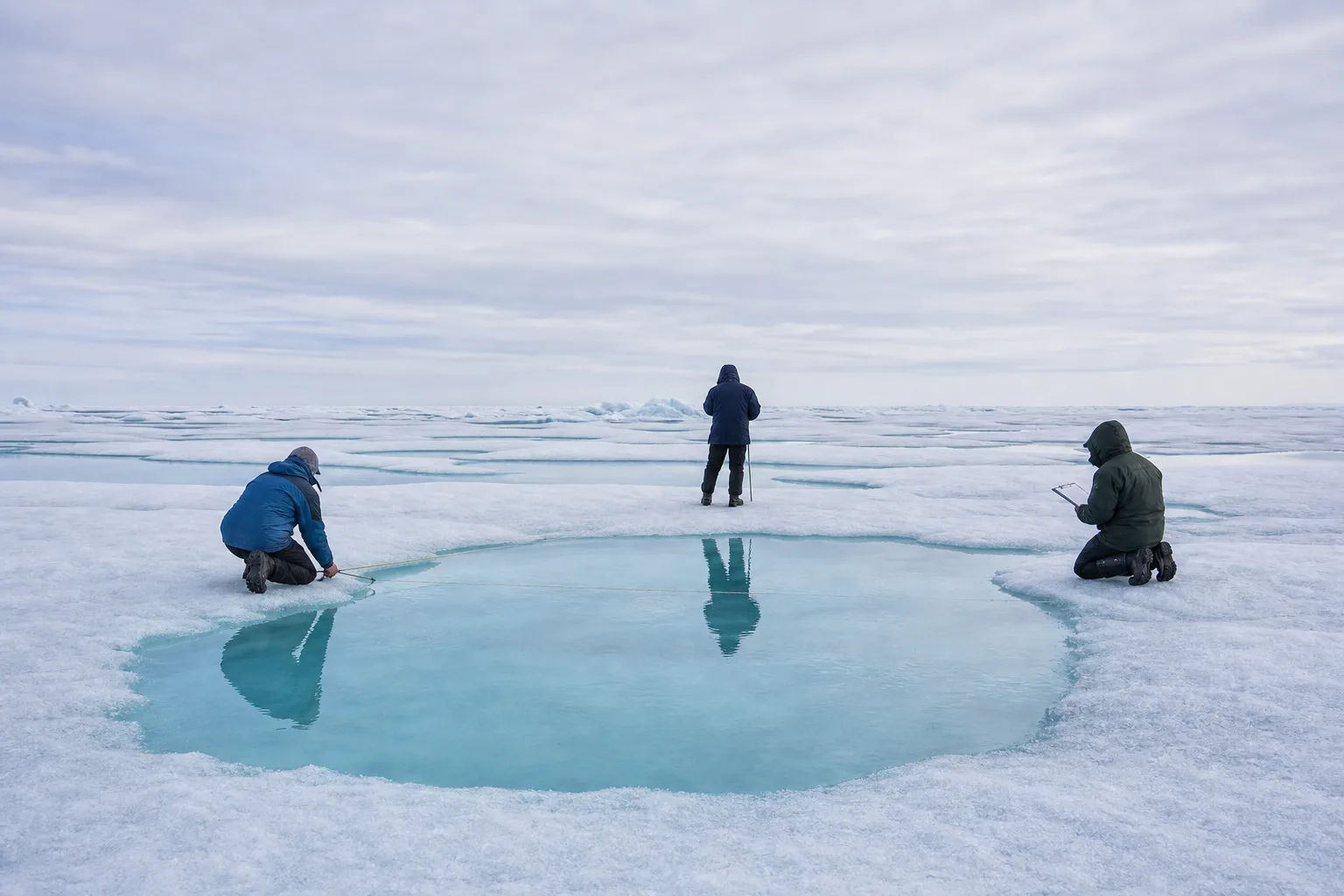
Ablation stakes lead toward a glacier with one distant field worker for scale.

This page separates the public evidence used by the site from its fictional people, stories, products, reviews, and generated imagery. A factual Arctic statement should link to one of the primary sources below or clearly identify itself as explanation rather than a new measurement.

Primary sources

Facts retained with context

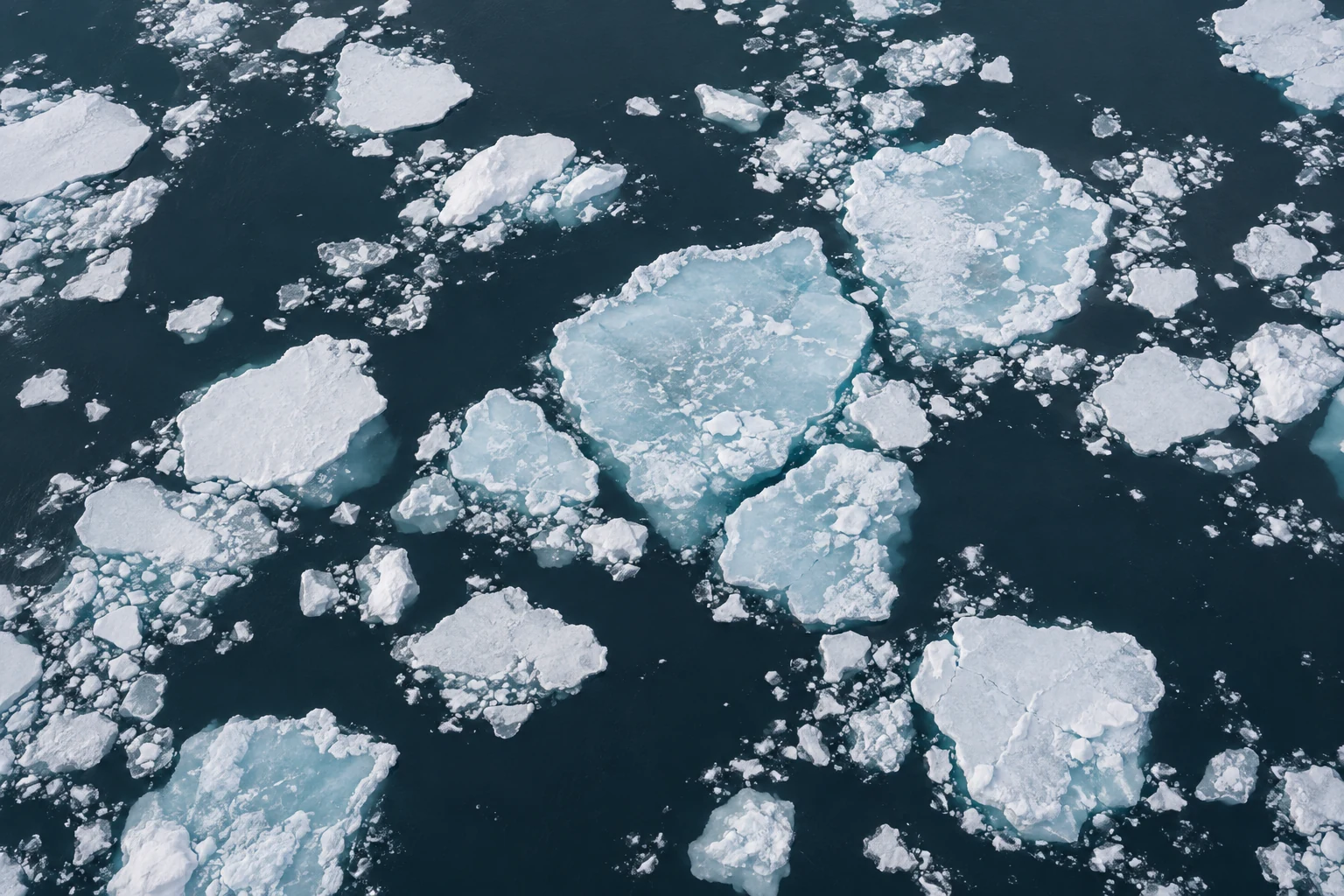
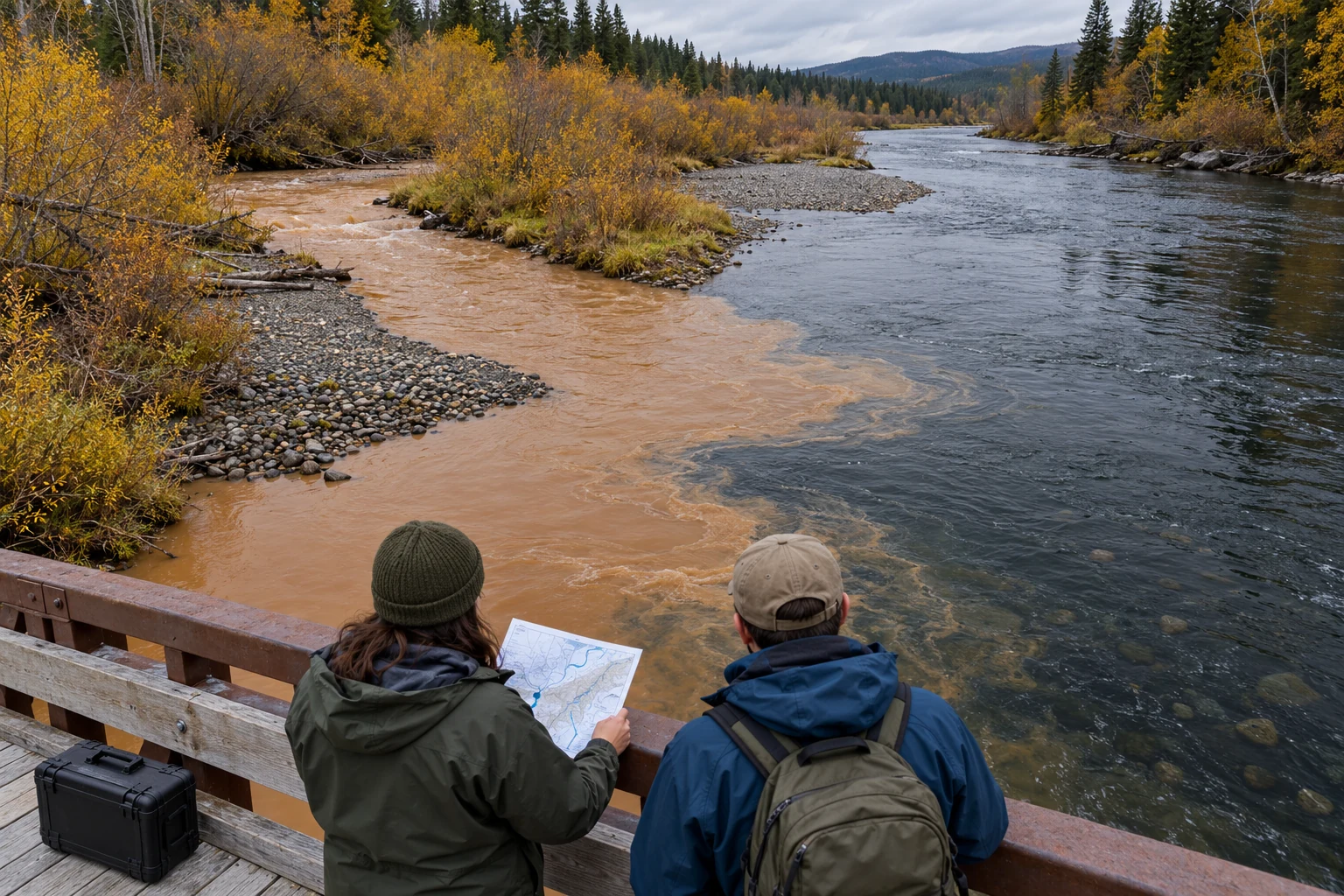
The NOAA 2025 facts used here are: the warmest Arctic water year since at least 1900 at +1.60°C versus the 1991 to 2020 average; the lowest March sea-ice maximum in the satellite record; a September daily sea-ice minimum of 4.60 million km², tenth lowest in that record; a decline of more than 95% in ice older than four years since the 1980s; Greenland mass balance of -129 ± 50 Gt; the third-highest tundra greenness value in the 26-year MODIS record; and more than 200 documented rusting watersheds.

These figures describe different systems, periods, methods, and baselines. They are not combined into one score, attributed to fictional fieldwork, or used as isolated proof of a local event. Chapter methods, authors, figures, and references remain the authoritative context.

Editorial method

  • Use primary sources beside the claim they support.
  • Name the period, baseline, unit, region, and uncertainty when they affect meaning.
  • Separate an observation from a mechanism, interpretation, and policy choice.
  • Describe missing coverage and method changes rather than smoothing them away.
  • Do not invent measurements, certifications, donations, deployments, or organizational achievements.
  • Use root-relative internal links so the canonical host remains consistent.

Research governance

The National Inuit Strategy on Research is the primary governance source for references to Inuit authority, ethics, data control, funding alignment, and capacity. This fictional site cannot turn those priorities into a universal checklist. Any real project would require specific local governance and consent.

Household and public action

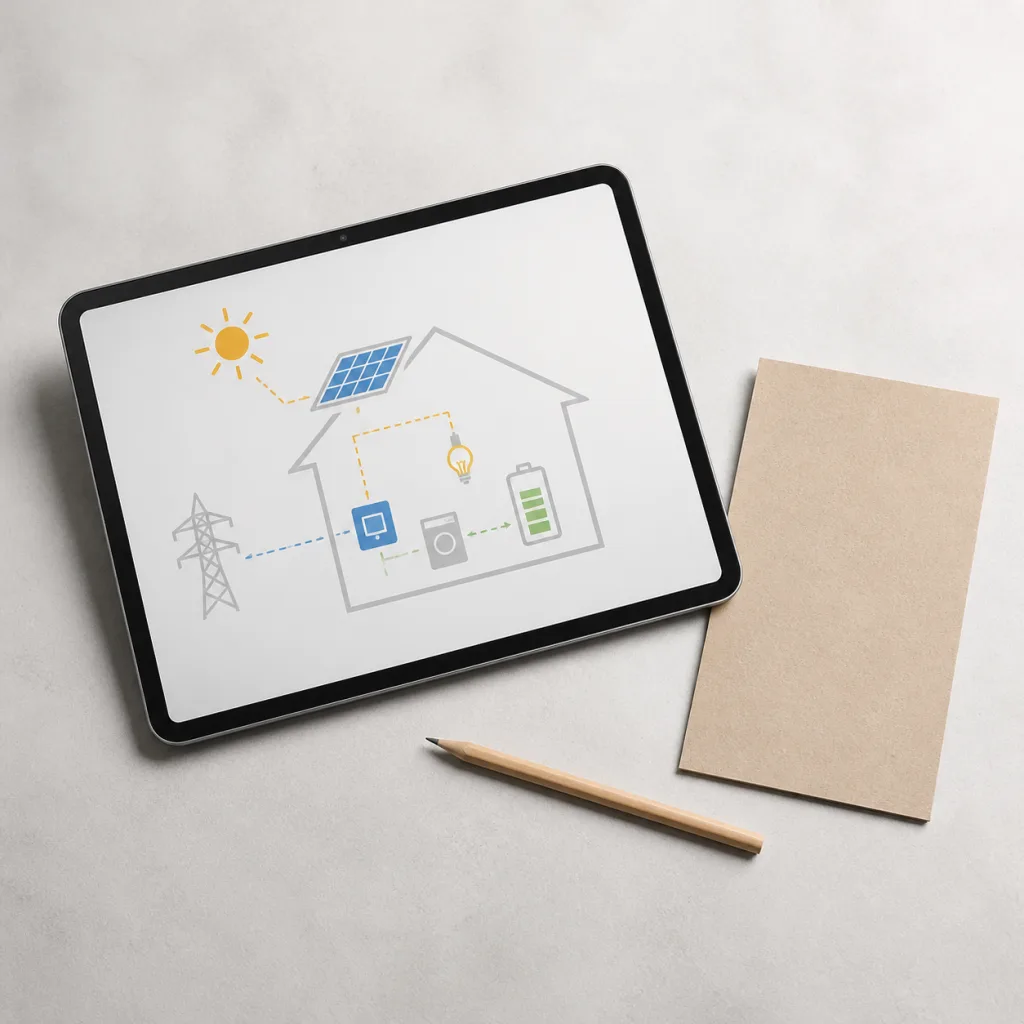
The Everyday impact series uses IPCC AR6 Working Group III Chapter 5 and the Summary for Policymakers for demand, services, infrastructure, social context, and mitigation. The stories avoid language-specific trigger lists, personal purity framing, and claims that one checklist measures an individual footprint.

Generated image method

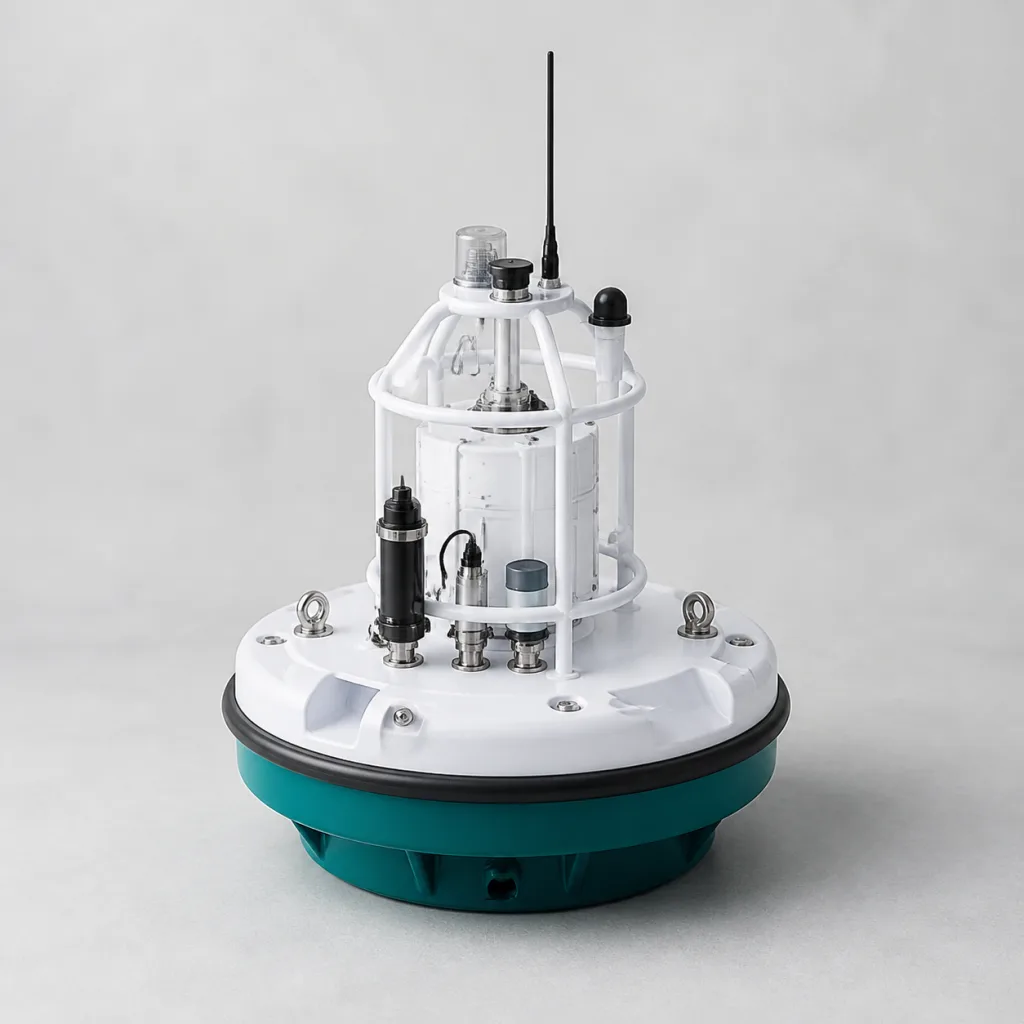
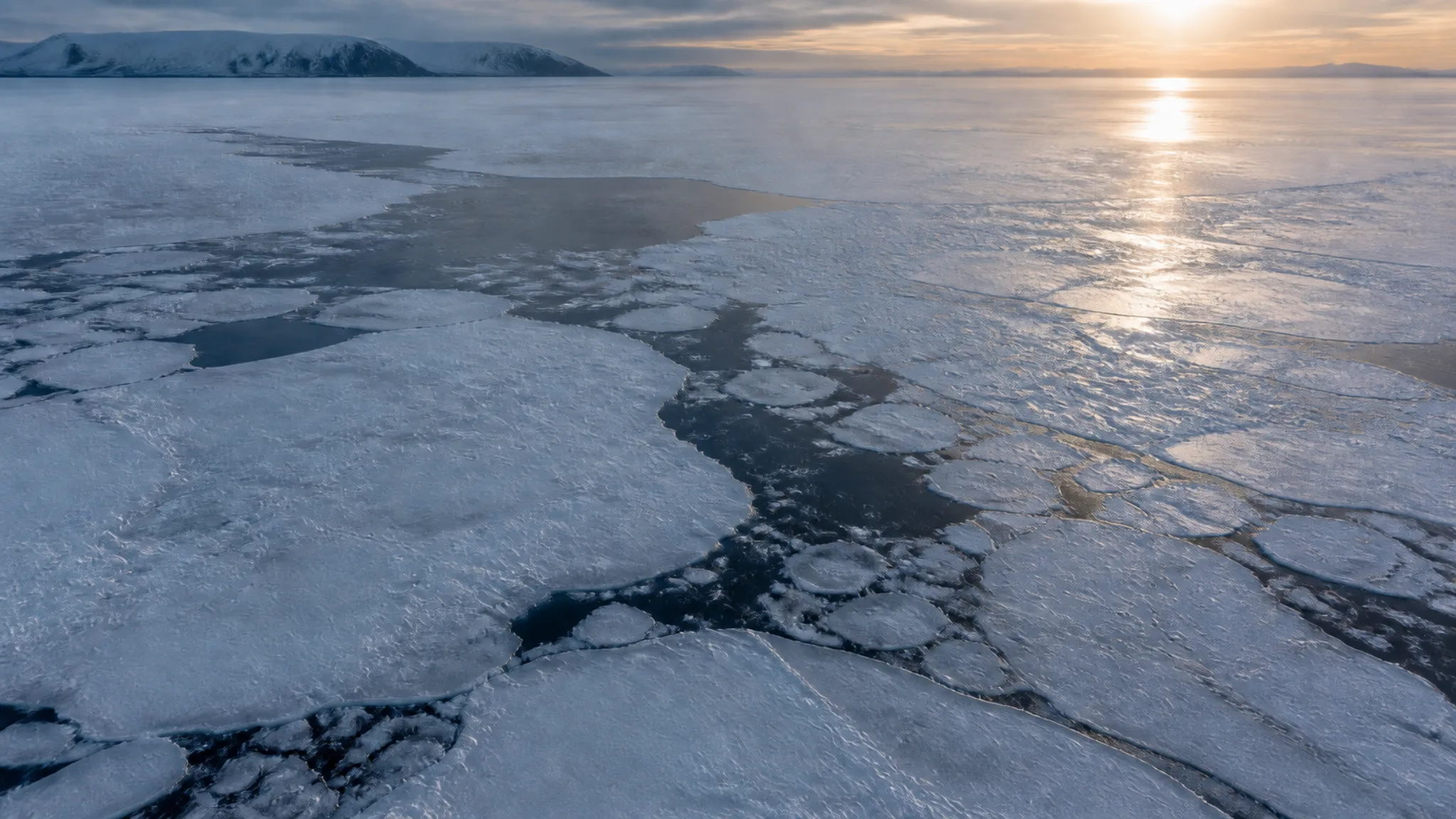
The image manifest records a stable key, final file, category, dimensions, prompt, title, alt text, caption, and references. Nineteen editorial scenes, twenty-one fictional portraits, and fifteen product images were generated through ChatGPT OAuth with one distinct call per manifest entry. Each selected source was inspected, converted to WebP at quality 82, and checked against its intended dimensions.

Generated scenes are illustrative. Captions avoid claiming a real expedition, person, product, or event. Wildlife images use respectful distance, portraits state their fictional context through the global disclosure, and product images contain no visible brand or legible text.