
Listening for narwhals in Baffin Bay

A small pod of narwhals surfaces in cold open water.

This illustrative story follows a hydrophone deployment in Baffin Bay. No real Still North voyage, animal encounter, or recording is described. The aim is to show why underwater sound needs deployment context, cautious classification, and a clear distinction between a detected call and a wider ecological conclusion.

Gloved hands lower a hydrophone from a small boat into cold water.
Gloved hands lower a hydrophone from a small boat. Faces remain outside the generated frame.

Lowering an ear into the water

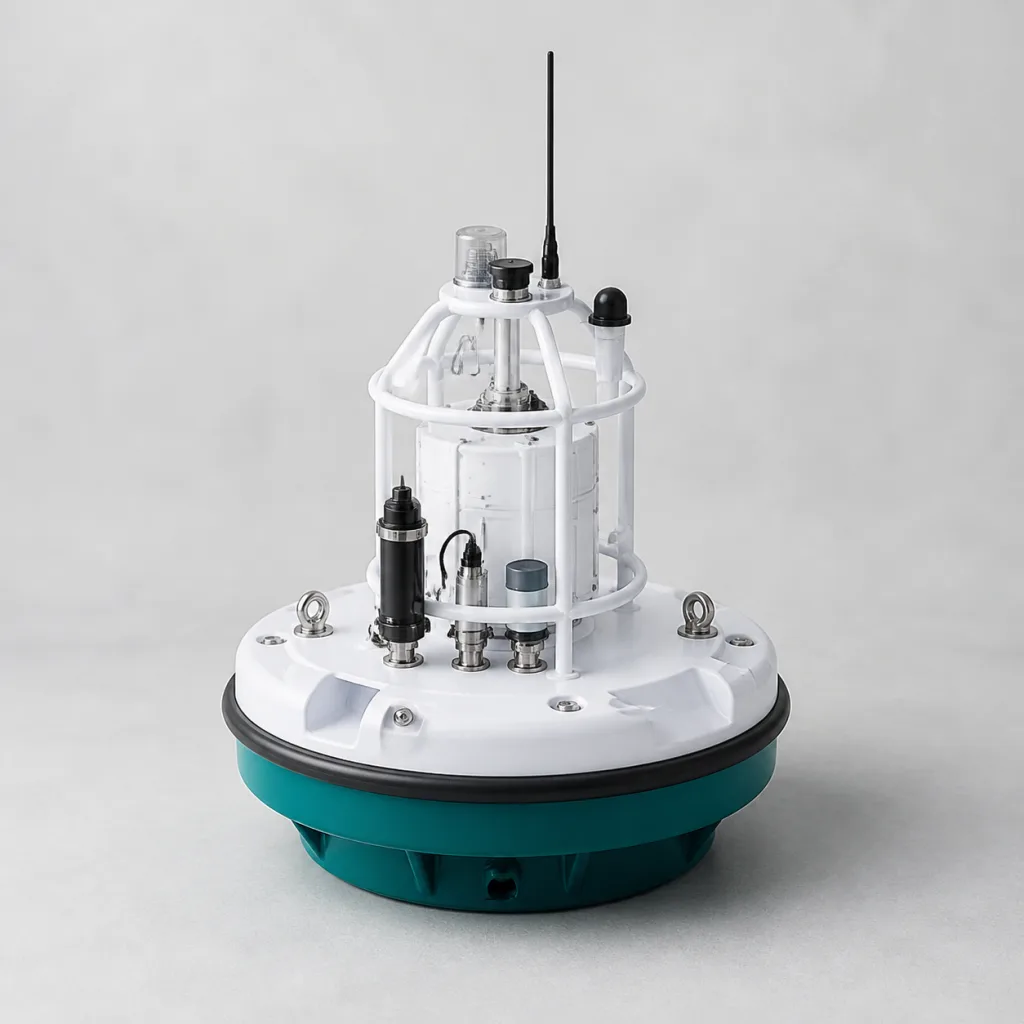
A hydrophone converts pressure changes into an electrical signal. Before it enters the water, a useful record already needs instrument identity, calibration, clock, sampling settings, cable configuration, position, depth plan, and the condition of connectors. Once deployed, sea state, vessel activity, ice, weather, and handling noise become part of the context.

The boat itself is loud. Engines, pumps, hull movement, cable vibration, and voices can enter a recording. A deployment protocol may include quiet periods and notes marking unavoidable noise. Analysts need those notes because a clean-looking signal can come from equipment, and a biological call can disappear beneath overlapping sound.

Methods recorded with every deployment

  1. Confirm instrument identity, calibration, clock, and recording settings.
  2. Record position at a suitable public scale, water depth, hydrophone depth, and deployment geometry.
  3. Log sea state, ice conditions, weather, vessel state, and nearby vessel activity.
  4. Mark handling, engine, cable, and other known noise in the field log.
  5. Review data quality before leaving if conditions and equipment allow.
  6. Store the recording with access, sensitivity, and location-governance terms.

A small context table

FieldWhy it matters
Instrument and calibrationSupports comparison and reveals changes in sensitivity.
Time and clock checkConnects sound with vessel records, weather, and other observations.
Depth and geometryAffects propagation and the area a signal may represent.
Noise logPrevents known handling or vessel sound from being misclassified.
Access conditionsProtects sensitive locations and agreed limits on reuse.

From a click to a classification

Narwhals use clicks and other sounds for orientation and communication. Classification may compare frequency, duration, shape, sequence, and context with reviewed examples. Confidence should be recorded. A signal can remain unknown, and forcing it into a label does not improve the evidence. Human review and automated methods each need a documented threshold and error process.

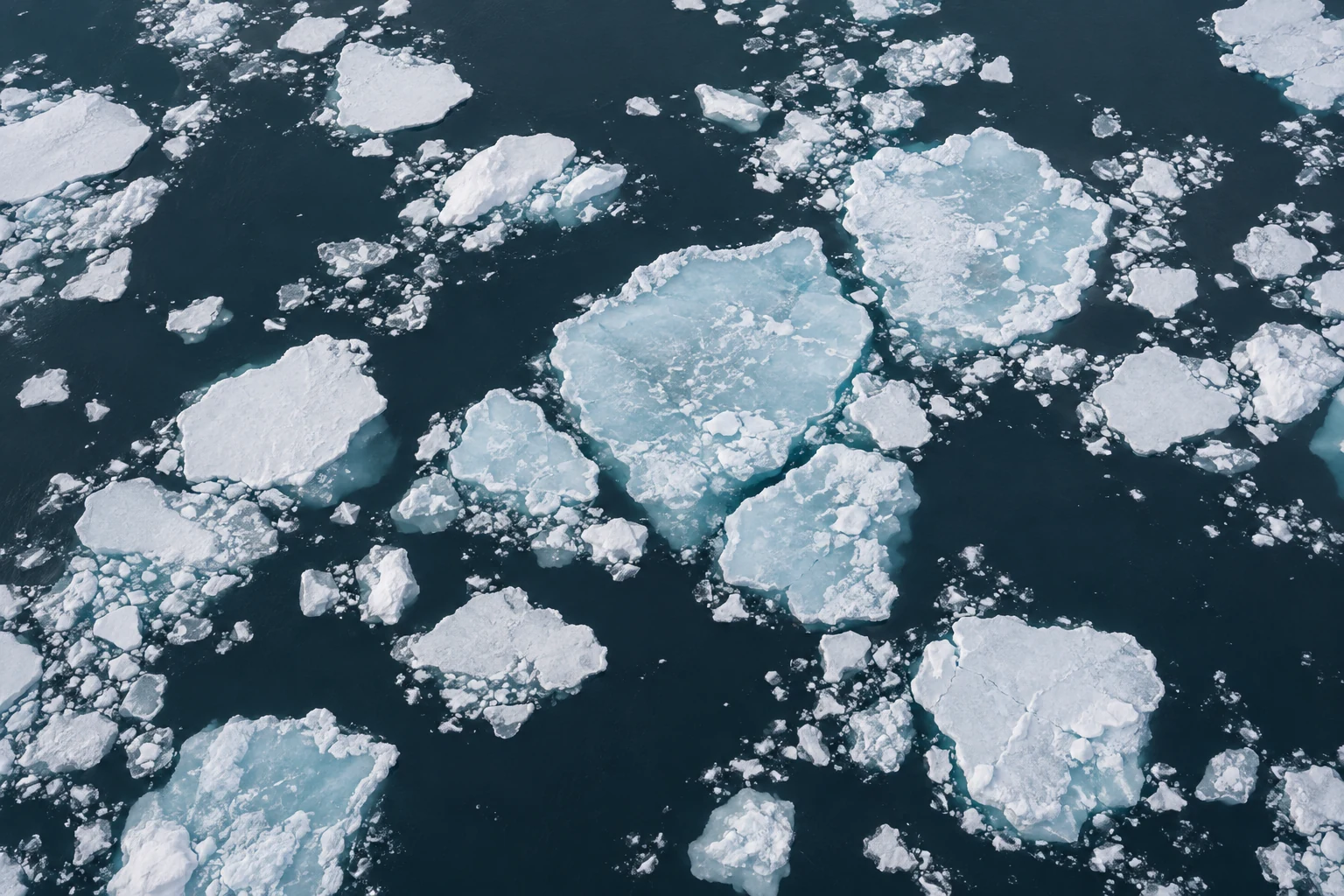
Vessel noise can mask calls, especially when frequencies and timing overlap. A period with no detected call is therefore not proof that no narwhal was present. Detection depends on distance, orientation, propagation, background noise, instrument state, and the classifier. Effort and conditions make an absence interpretable.

A changing ocean context

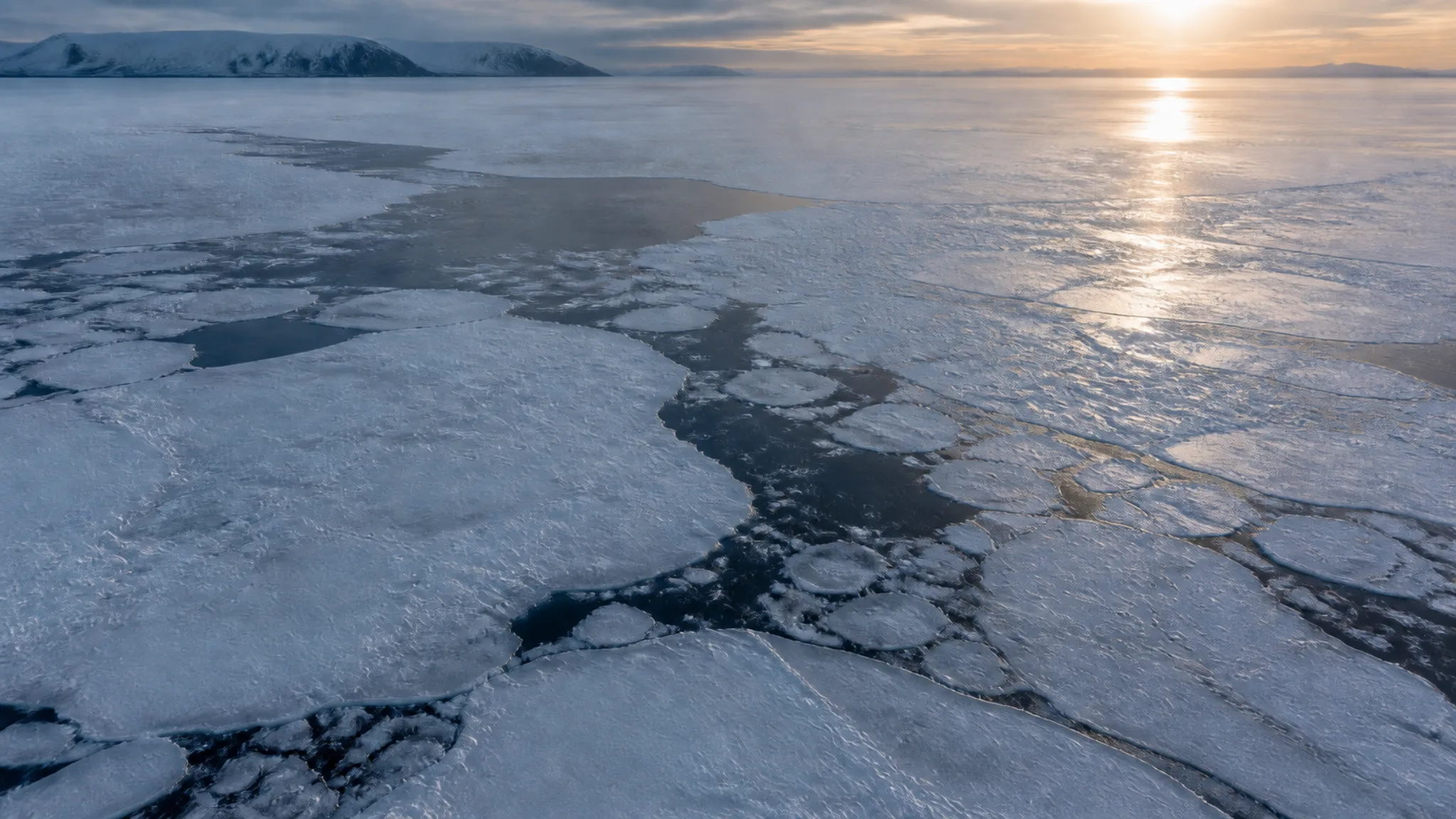
The NOAA Arctic Report Card chapter on Atlantification describes changes in Arctic Ocean structure and ecological context. An acoustic record can contribute detail, but it cannot attribute a regional change on its own. Sound, species observations, vessel information, ice, and ocean measurements need to be read together.

A quieter-ocean action can be operational and policy-based: reduce avoidable noise, plan routes and speeds with current evidence and authority, maintain equipment, and monitor whether a measure changes exposure. The specific choice depends on safety, law, vessel type, place, and season. Visit Take action for a general route from evidence to an accountable request.

Listen without pretending certainty

The strongest outcome of one deployment may be a well-documented file that another analyst can understand, including the moments too noisy to classify. That is not a disappointing result. It is the basis for comparing seasons and methods without hiding the conditions that shape what the hydrophone could hear.

Location can be sensitive

A precise acoustic location may reveal habitat use or activity that should not be made openly searchable. Data agreements can preserve the scientific record while limiting public coordinates, raw audio, or timing. Those terms should be attached to the file before upload and retained in derived products, not remembered only by the original team.

Human voices create another privacy issue. A hydrophone near a boat may record conversation unintentionally. A review process should identify and restrict or remove personal sound according to agreed policy. Open ocean data do not erase the rights of people whose voices happen to enter the channel.

When results are published, representative clips should retain their processing history. Filtering can make a call easier to hear, but the unprocessed source, settings, and reason for the edit need preservation. A compelling audio player should not conceal how much interpretation sits between pressure in the water and sound from a speaker.

2 responses to “Listening for narwhals in Baffin Bay”

  1. Mara Lind Avatar
    Mara Lind

    How can a listener distinguish a narwhal call from another sound when the recording also contains vessel noise?

    1. Noor Rahman Avatar
      Noor Rahman

      Analysts compare the signal shape, frequency, sequence, and context with reviewed examples, then record confidence rather than forcing every sound into a label. Vessel noise can mask calls, so an apparent absence is not proof that narwhals were absent.

Leave a Reply

Your email address will not be published. Required fields are marked *