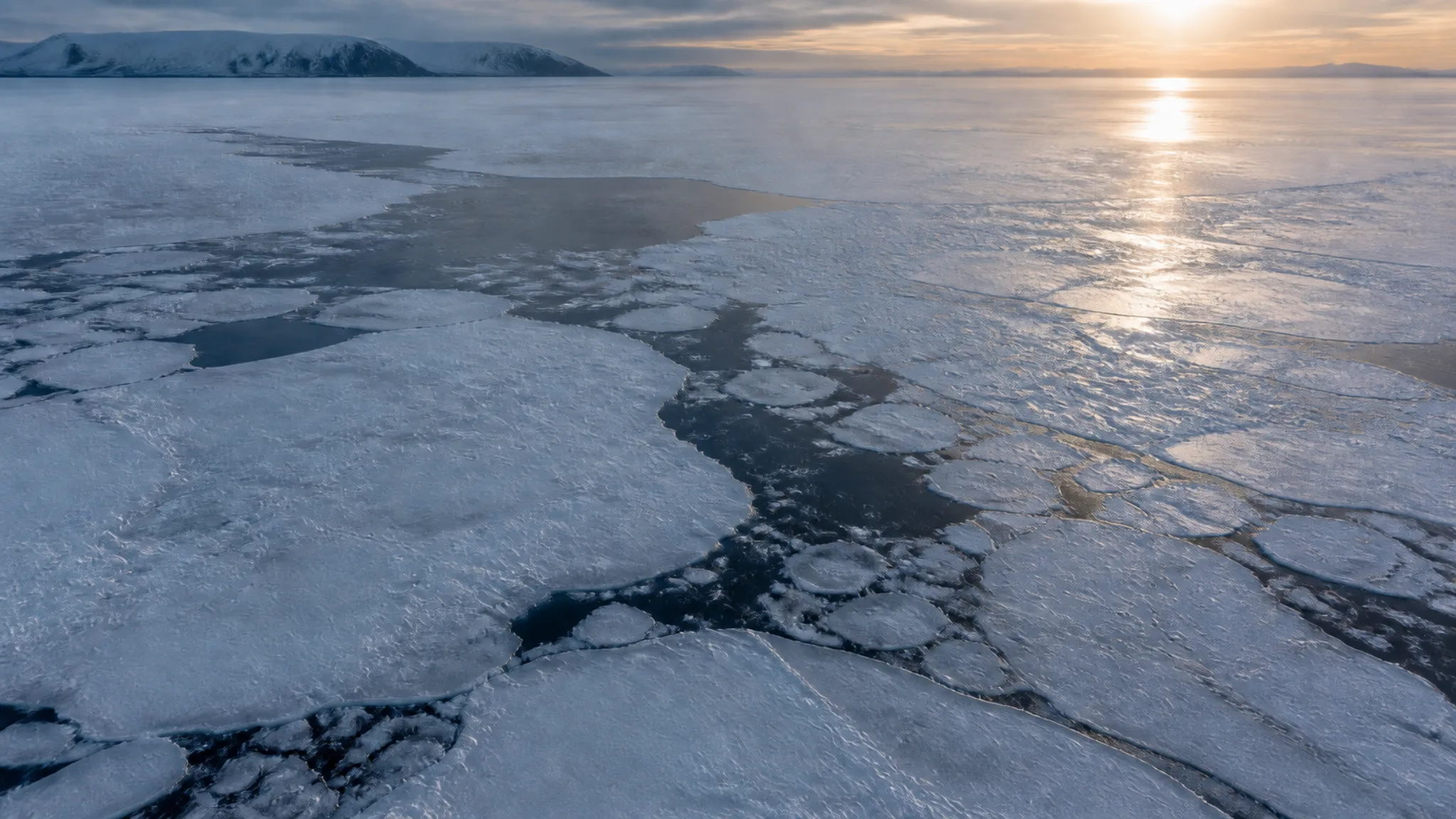

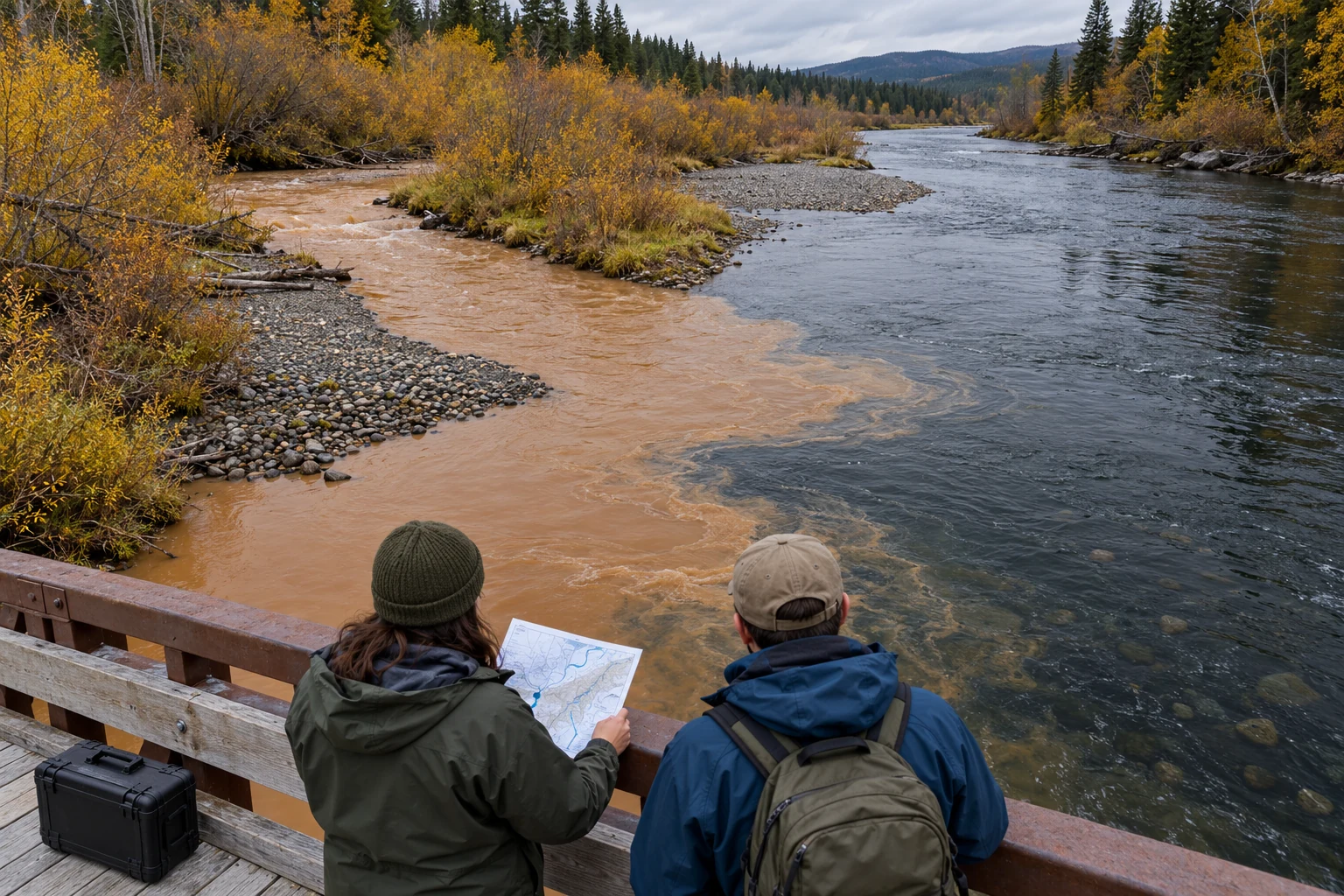
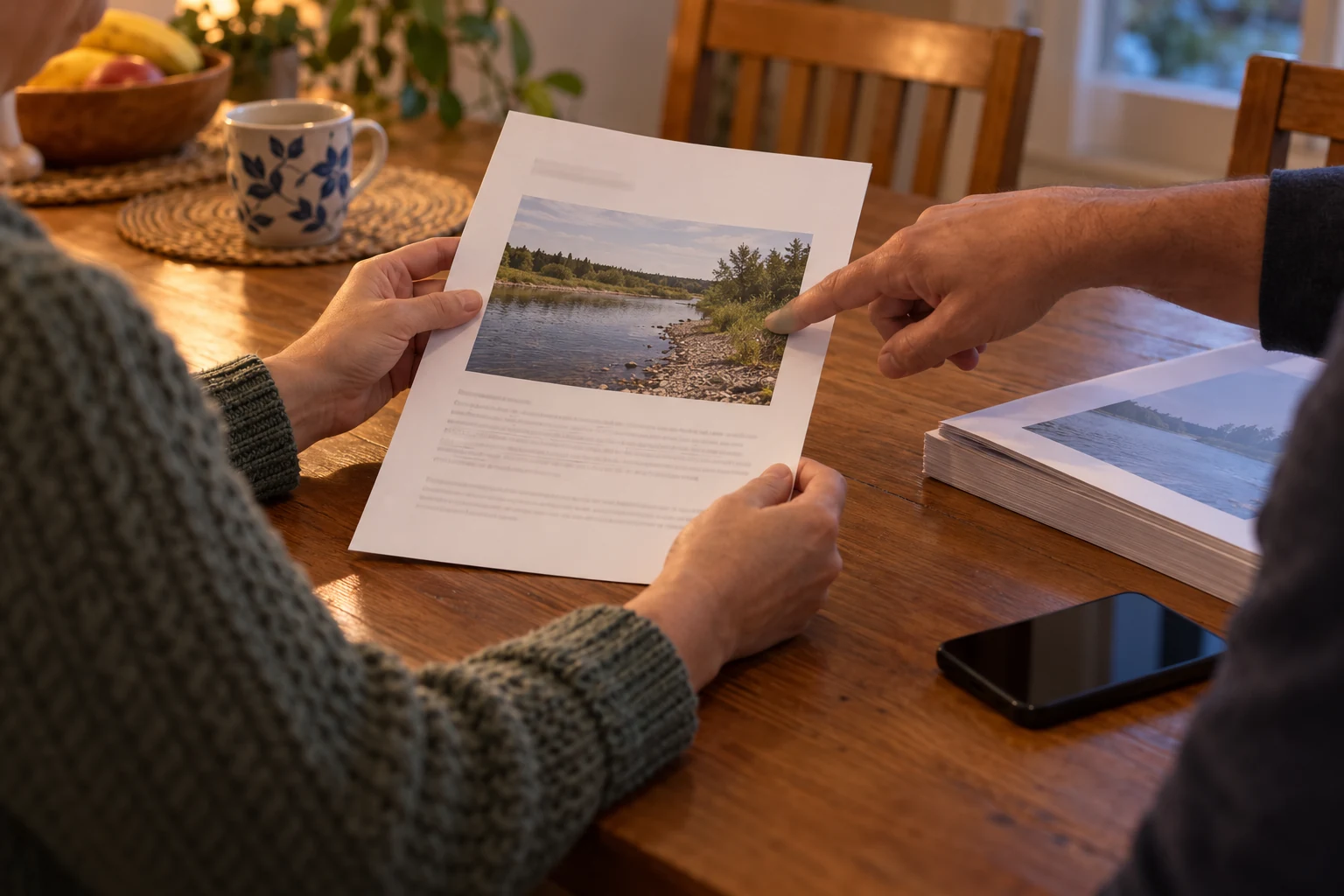

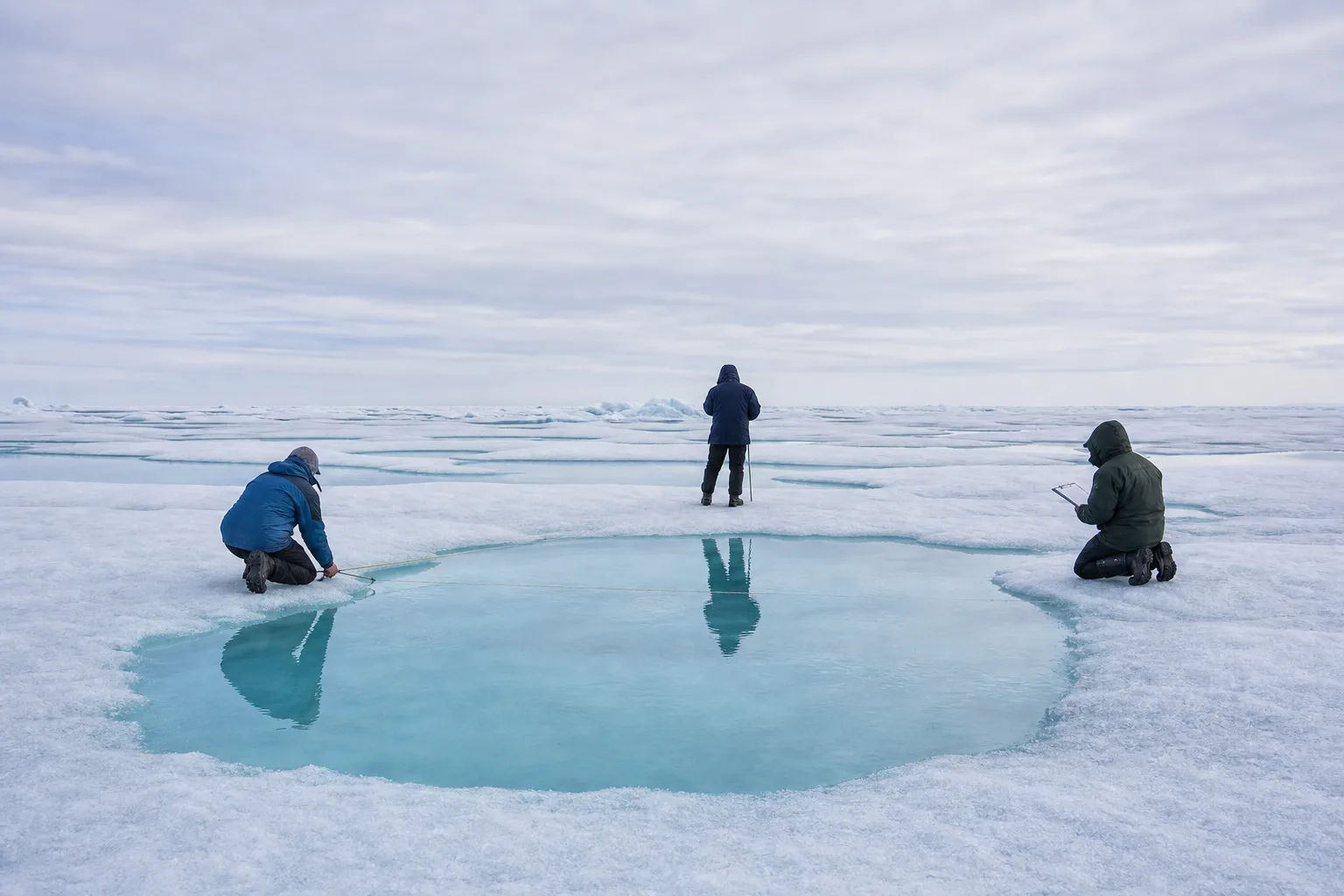
Rain falling onto snow can refreeze into an ice crust. For grazing animals, that crust may make forage harder to reach. This illustrative note connects the physical event with animal access and community observation while keeping one event separate from a long-term trend.
From warm air to an ice layer
The sequence matters. Liquid precipitation may enter or sit on the snowpack, then freeze as temperature falls. The resulting layer varies in thickness, hardness, area, and position within the snow. Wind, topography, prior snow structure, and later weather can break, bury, or preserve it. A station total alone does not describe the surface an animal encounters.
Field observations might record snow depth, layer position, hardness, spatial extent, temperature history, and the method used to select sites. Remote-sensing products can add regional context, but detecting a biologically relevant crust from space is not the same task as detecting wet snow or a surface temperature change.
Access to forage
Reindeer and caribou use movement, memory, smell, and digging to reach food beneath snow. A hard ice layer can increase the effort or block access in some places. Consequences depend on the area affected, alternative forage, herd condition, timing, movement routes, and what happens afterward. An image of three animals crossing crust does not reveal those outcomes.
Community observations may connect an event with travel, animal behavior, landscape variation, and earlier seasons. That knowledge has governance and context. It should not be extracted into an outside dataset without authority, consent, and agreed access. A collaborative record begins with the priorities of the people who live with the event.
Why one event is not a trend
A trend requires comparable observations over time. One rain-on-snow event can be locally severe and worthy of response, but it cannot establish whether frequency, area, timing, or intensity is changing. A long record may combine stations, reanalysis, satellites, field snow profiles, and community observations. Definitions and coverage must remain consistent enough for comparison.
What should be recorded
- When rain began, where it fell, and how temperature changed before and after.
- Snow profile, crust position, hardness, and the variation among sites.
- How observation locations were chosen and which areas were not reached.
- Animal behavior described without assuming cause from one sighting.
- Community interpretation and data terms established through local governance.
- Later snow, weather, movement, and forage conditions that changed exposure.
Responding at the right scale
Immediate decisions may concern safe travel, access, herd movement, or local support. Longer-term decisions may concern monitoring, infrastructure, emissions, and adaptation. Those scales should not be collapsed. A household action elsewhere does not answer a local event, while public and economic decisions elsewhere contribute to the wider climate context.
The practical route is to listen to local authority, preserve comparable observations, and support systems that can respond before a crisis. The Communities and livelihoods programme explains governance, and Take action offers a general way to connect evidence with decisions a reader can influence.
Hold consequence and uncertainty together
Saying that one event is not a trend does not make the event unimportant. Saying that an ice crust can restrict forage does not prove the effect at every site. A careful record can hold both truths: conditions may have serious consequences, and the scale, mechanism, and longer pattern still need evidence.
Definitions must match
Studies may define rain-on-snow using station precipitation, modeled liquid water, satellite wet-snow detection, or a measured crust. Those are related but not interchangeable. Comparing trends requires knowing which definition, threshold, area, and season each record uses. A broad atmospheric event does not guarantee the same ground condition everywhere beneath it.
Language should also distinguish reindeer and caribou populations, management systems, places, and local terms rather than collapsing them into one generic Arctic story. The observation on this page is illustrative. Real interpretation belongs with the people and authorities connected to a specific herd, landscape, and livelihood.
Long-term support means funding observers, stations, snow work, data stewardship, and communication between seasons. An emergency response cannot substitute for a maintained record, while a maintained record should serve priorities beyond a distant publication. The value lies in decisions made possible before and after the unusual event. A shared chronology helps distinguish an isolated crust from a changing seasonal pattern.

Leave a Reply