Elín Bjarnadóttir
-
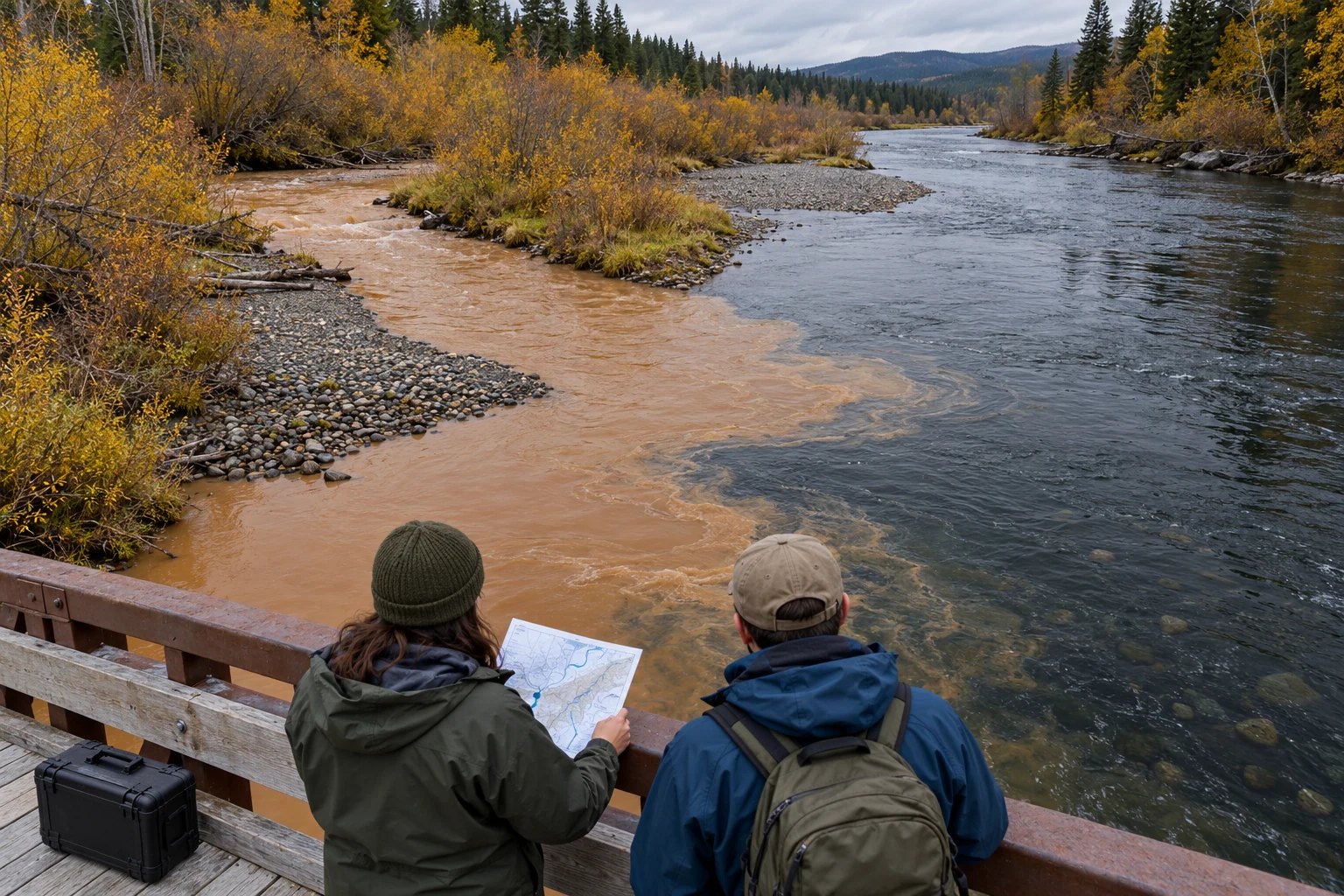
A research question before a sensor
Use a hypothetical river-water question to work backwards from a real concern to sampling, competing explanations, maintenance, and a defensible measurement.
-
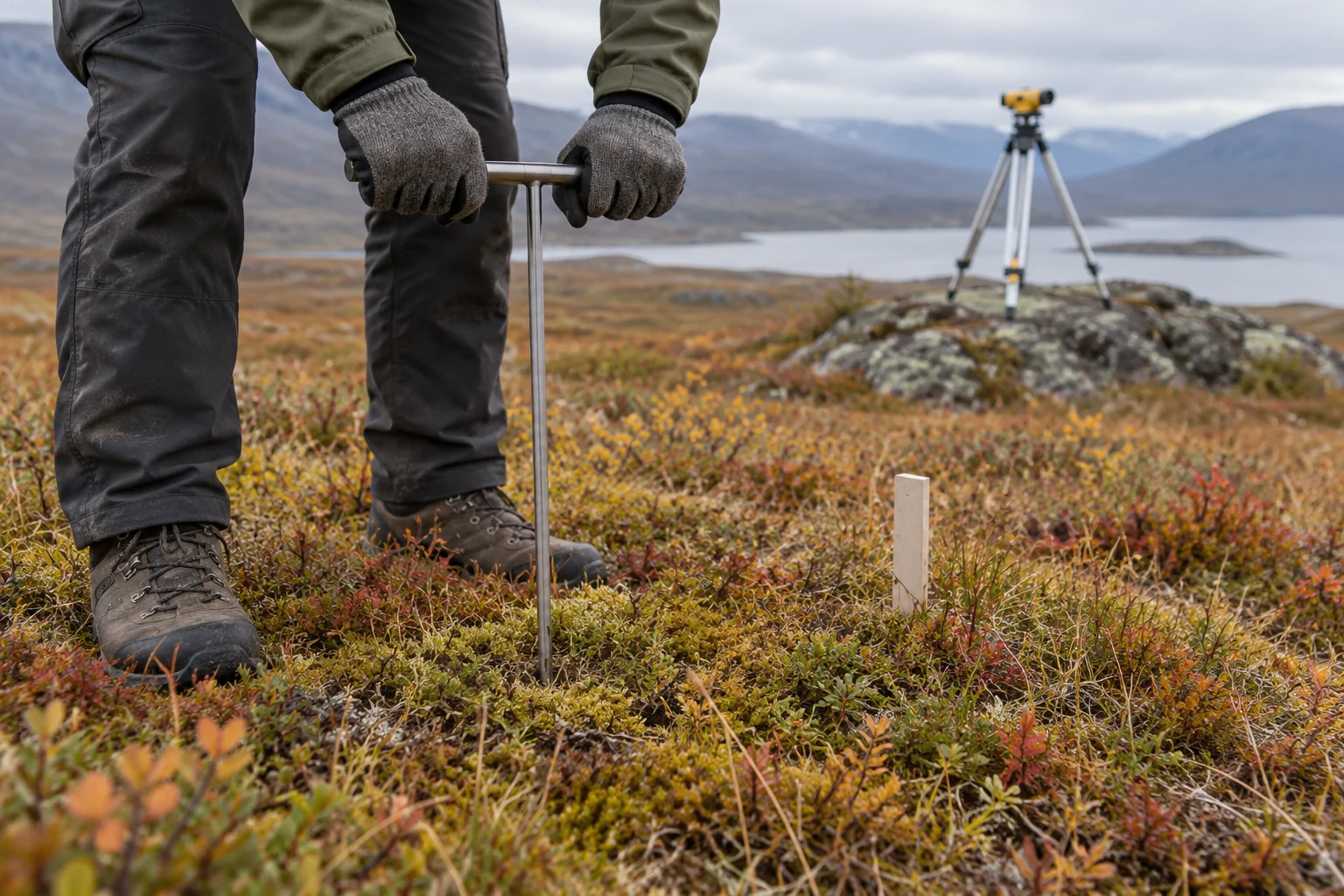
When the ground moves beneath the ruler
A repeated thaw depth can hide a moving surface. Reference conventions, probe refusal, seasonal timing, and survey history keep comparisons honest.
-
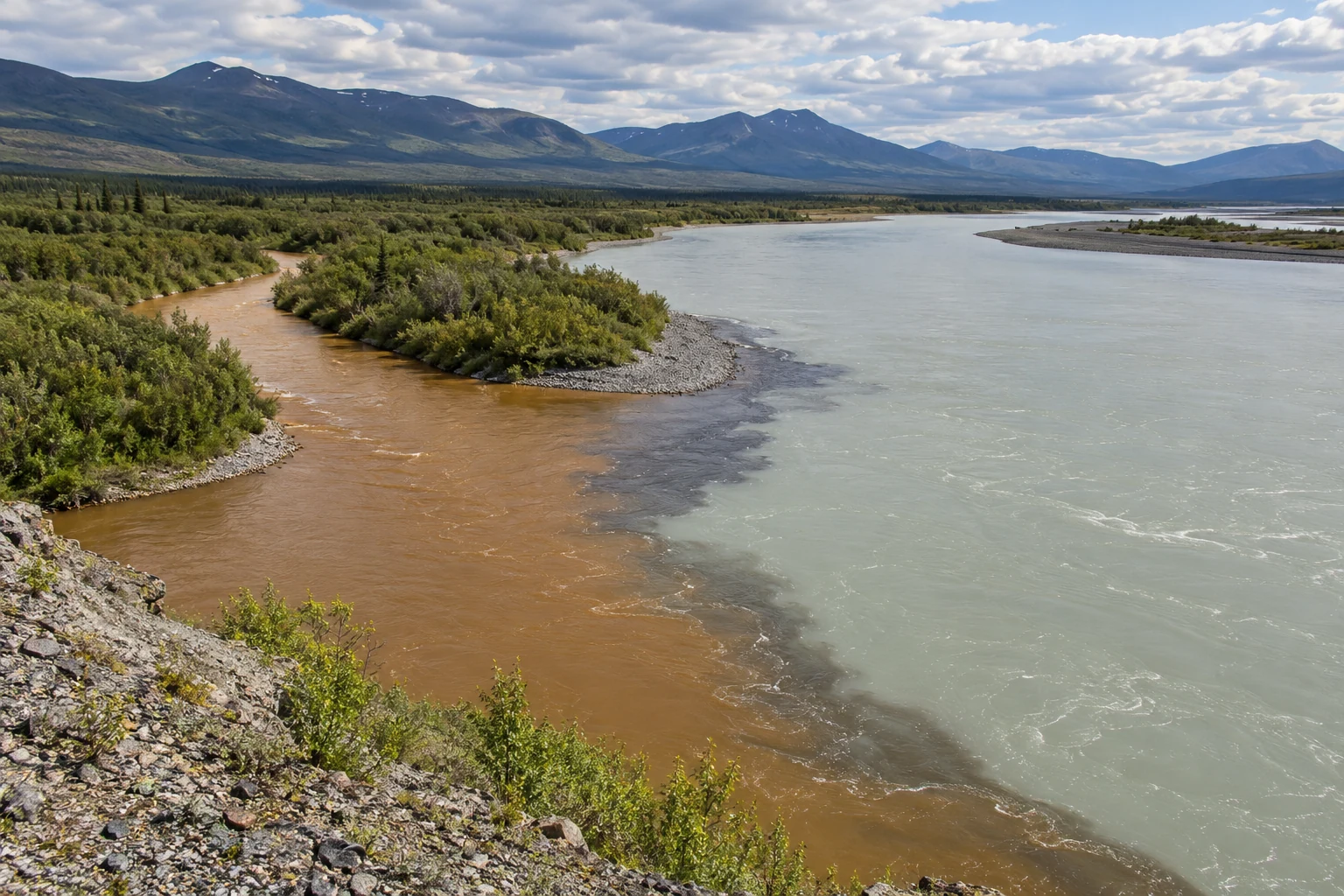
The muddiest water may not carry the most sediment
Concentration is only part of sediment transport. Water flow, event timing, particle properties, and representative sampling complete the picture.
-
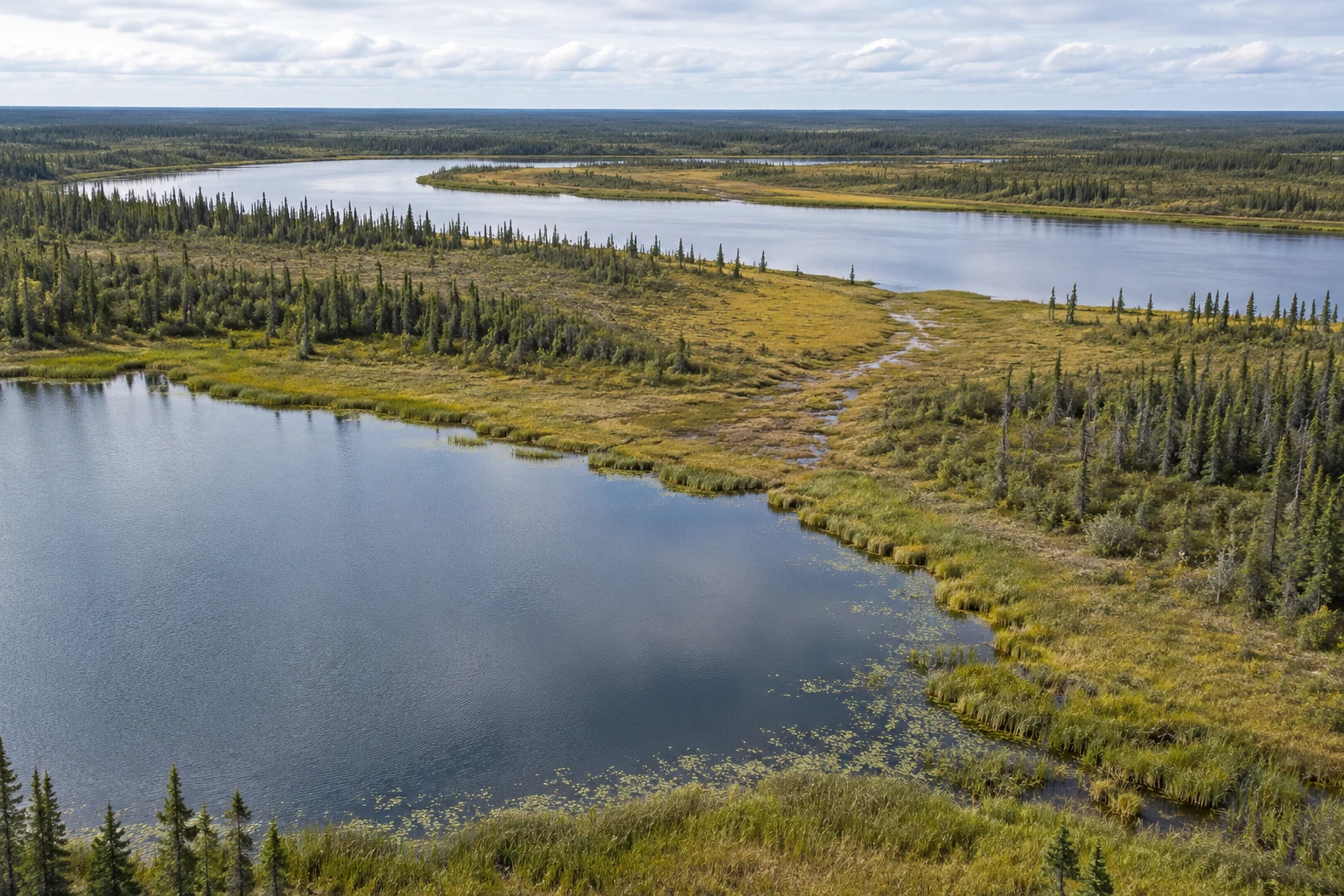
The lake with no visible outlet
Seasonal floods and hidden subsurface pathways connect northern waters. Yukon Flats research shows why a shrinking shoreline is not a complete diagnosis.
-
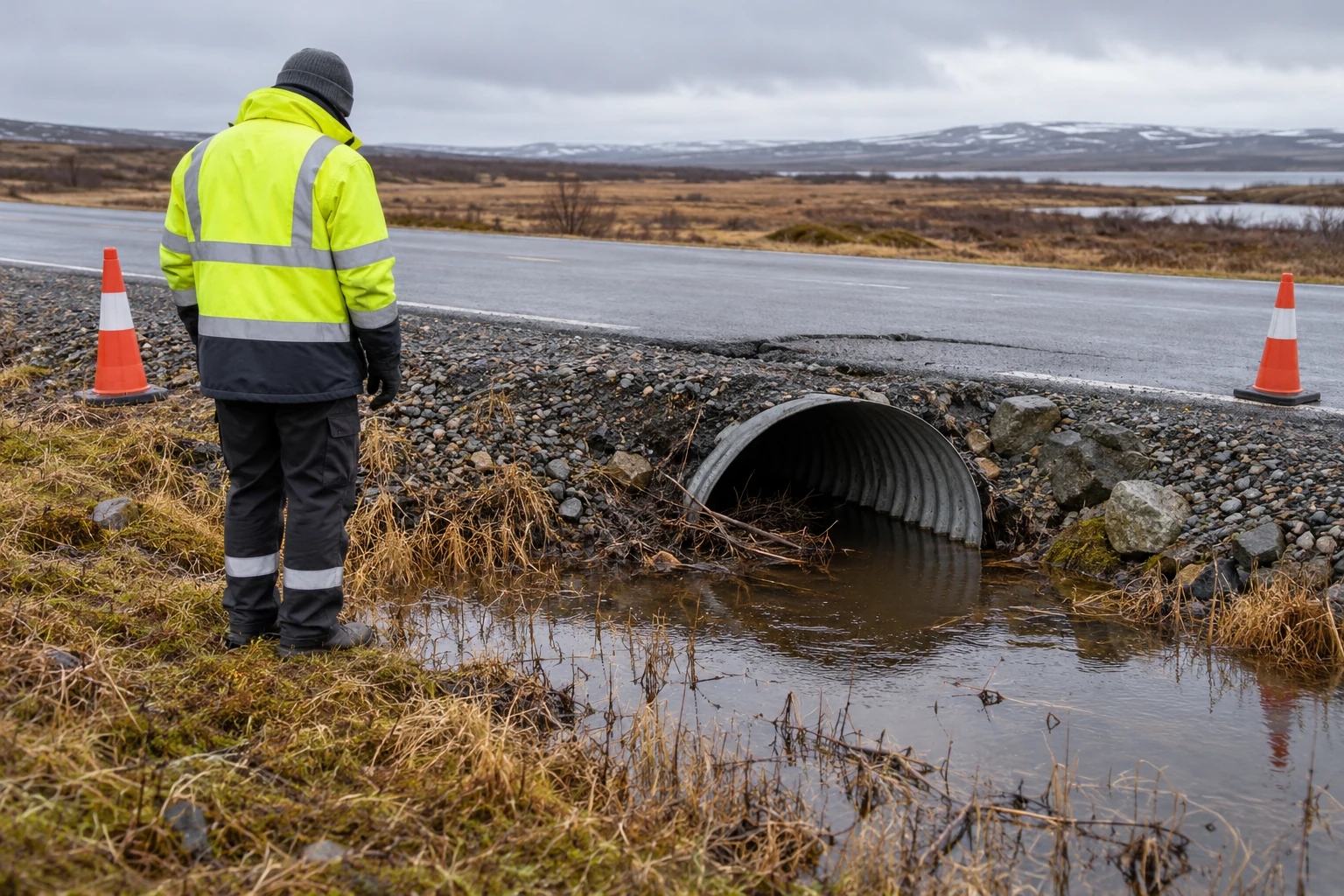
A cracked road needs more than a thaw map
Settlement, erosion, drainage, and slope movement are different infrastructure problems. Start with the service at risk and the evidence for its failure.
-
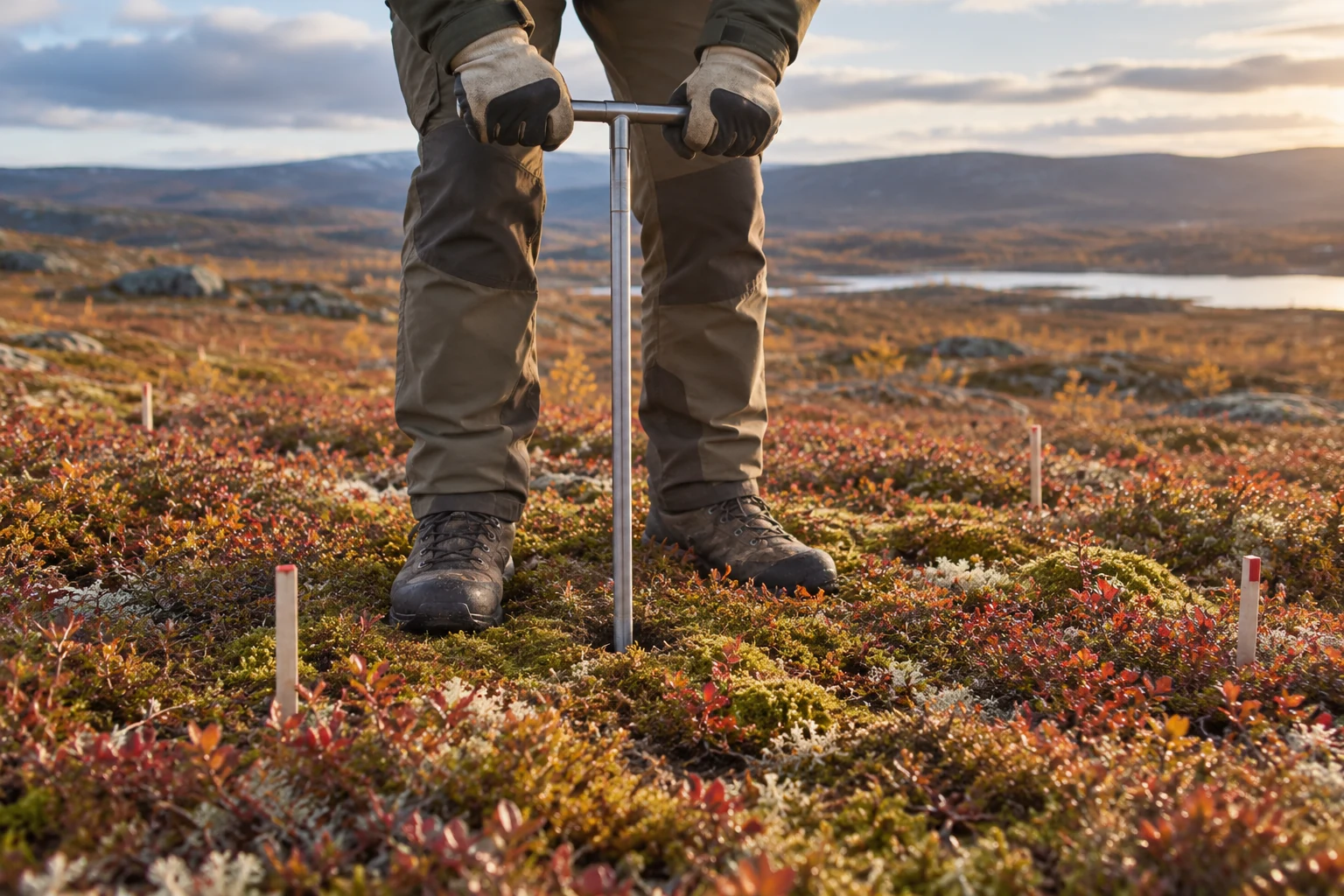
The active layer is not the permafrost
Seasonal thaw depth, ground temperature, and ground-ice content answer different questions. A guide to naming the layer before naming the change.
-
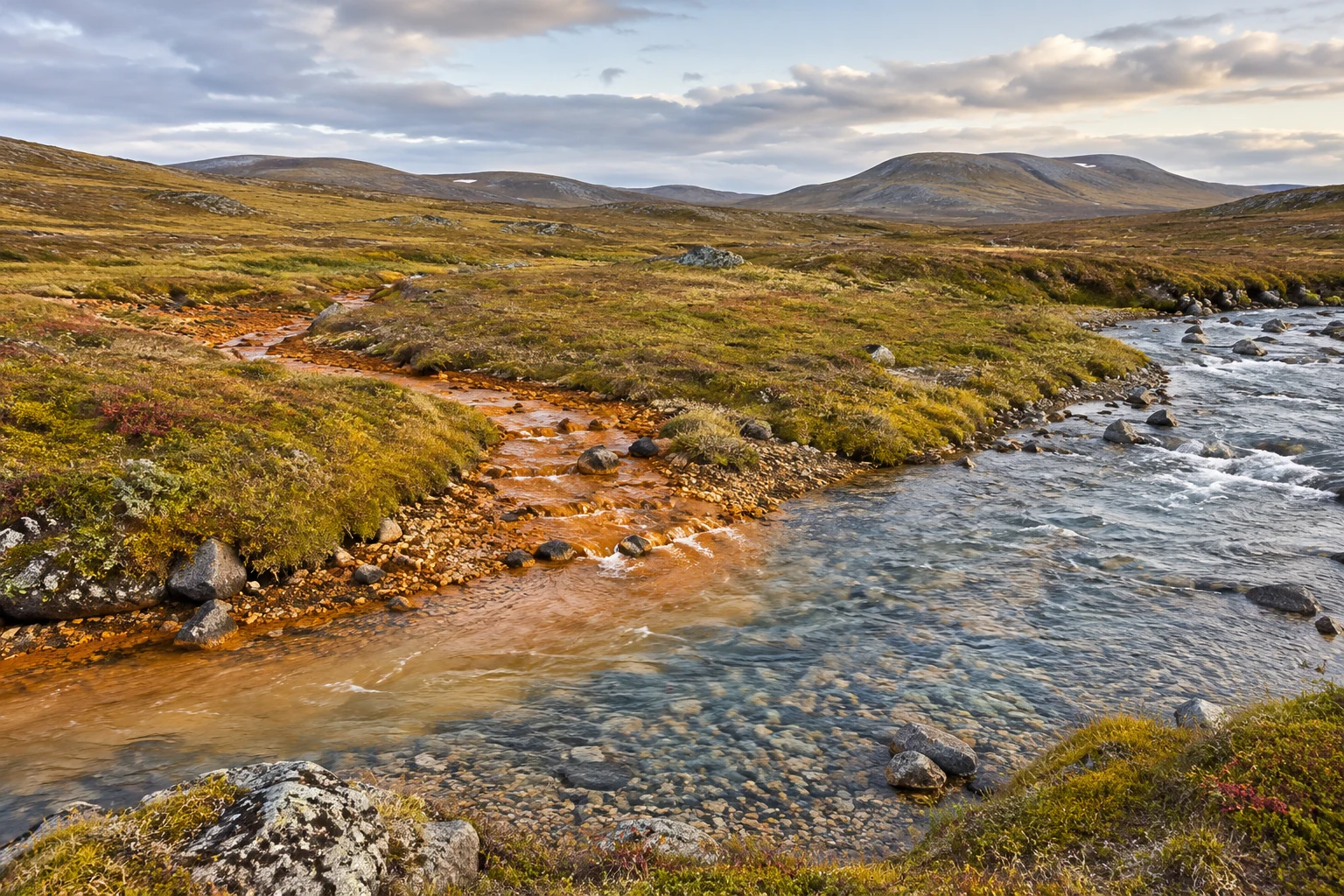
When an Arctic river turns orange
Thaw, mineral exposure, changing river chemistry, and the limits of sparse water-quality monitoring.