Field Journal
-

The calibration record behind a trusted number
Traceability, adjustment, field checks, and sensor replacement: why a certificate cannot carry the whole uncertainty of a measurement.
-
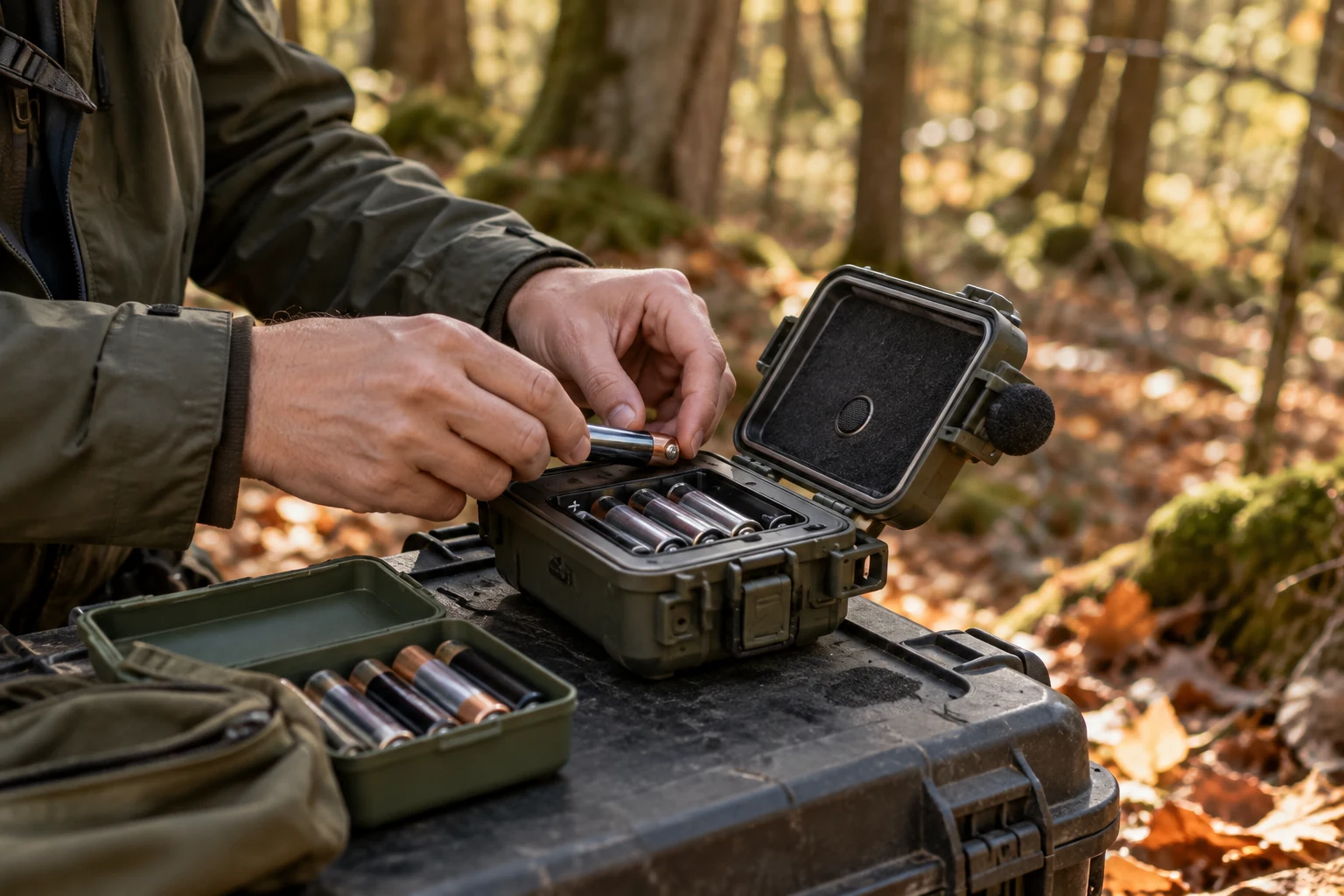
Missing observations are not zeroes
A failed recorder, a masked call, and zero detections are different findings. How effort, flags, and honest gaps protect an observation record.
-
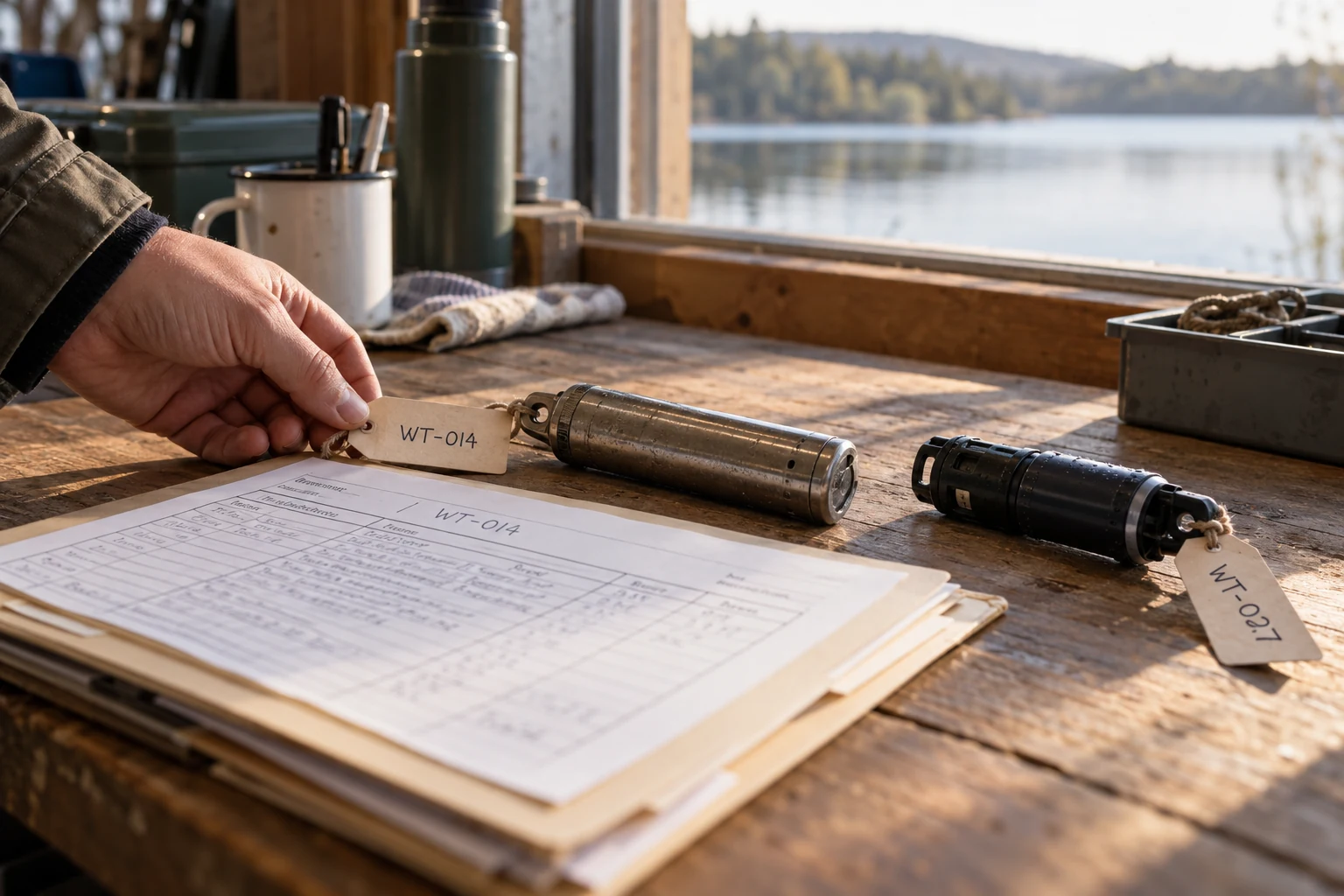
Metadata that outlives an instrument
What a future reader needs to recover a measurement’s meaning: sampling intervals, deployment changes, versions, governance, and a responsible steward.
-
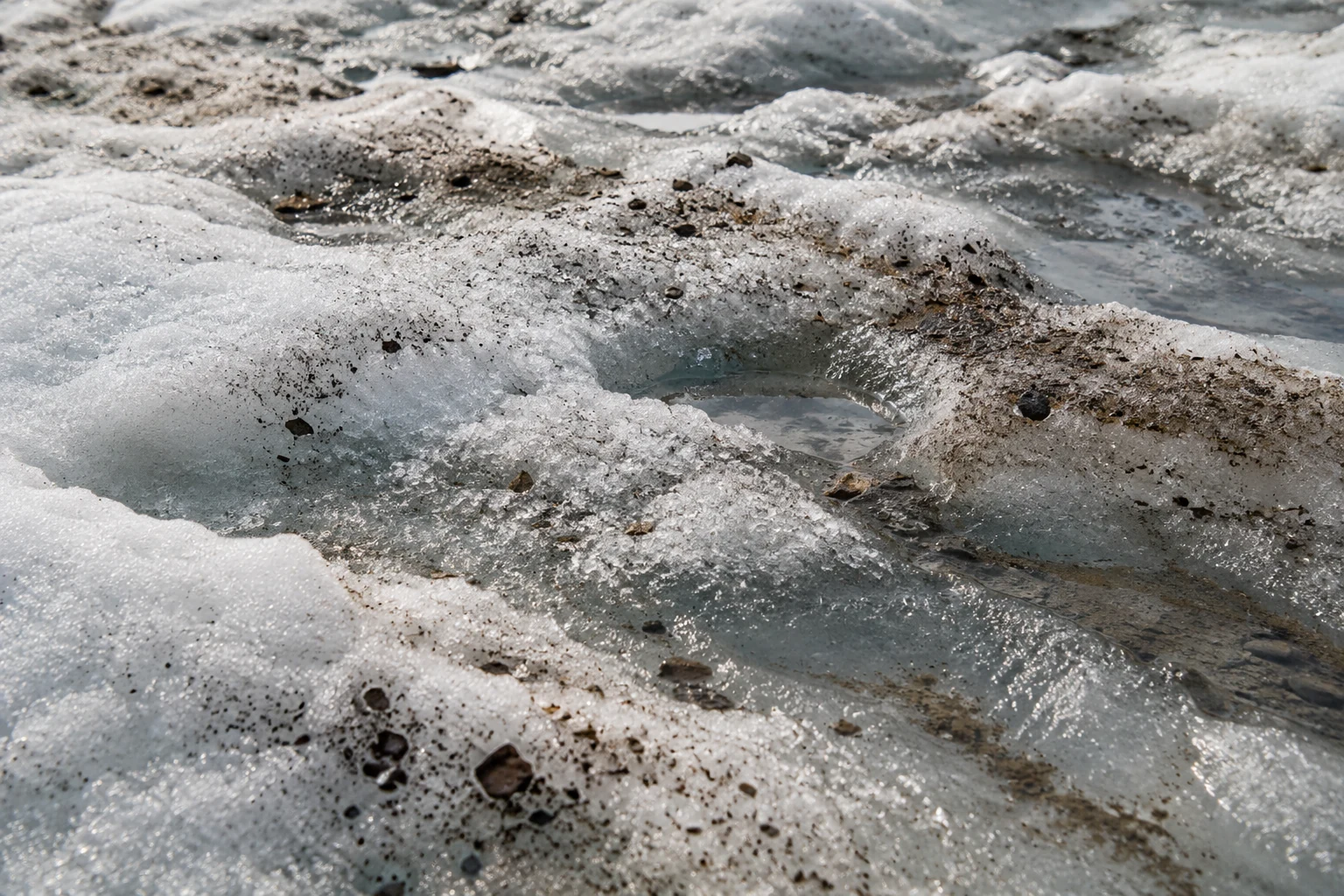
Greenland’s dark ice has more than one cause
Snow retreat, glacier algae, particles, and ice texture all influence reflectivity. Separate the observed darkening from its cause and melt consequence.
-
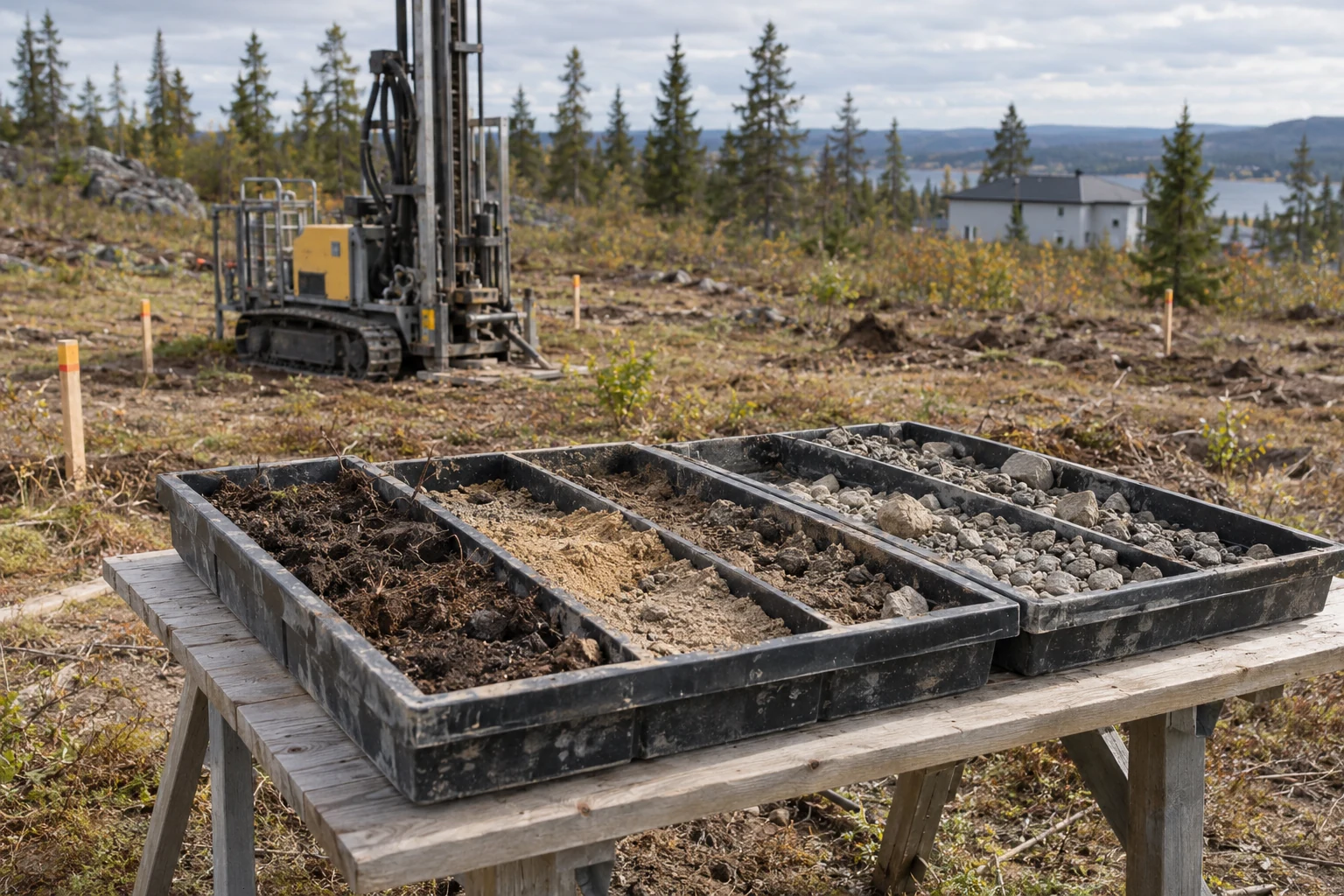
A permafrost map cannot inspect a building plot
Read extent classes, ground-ice estimates, map scale, and missing coverage before asking a regional map to answer a site-specific question.
-
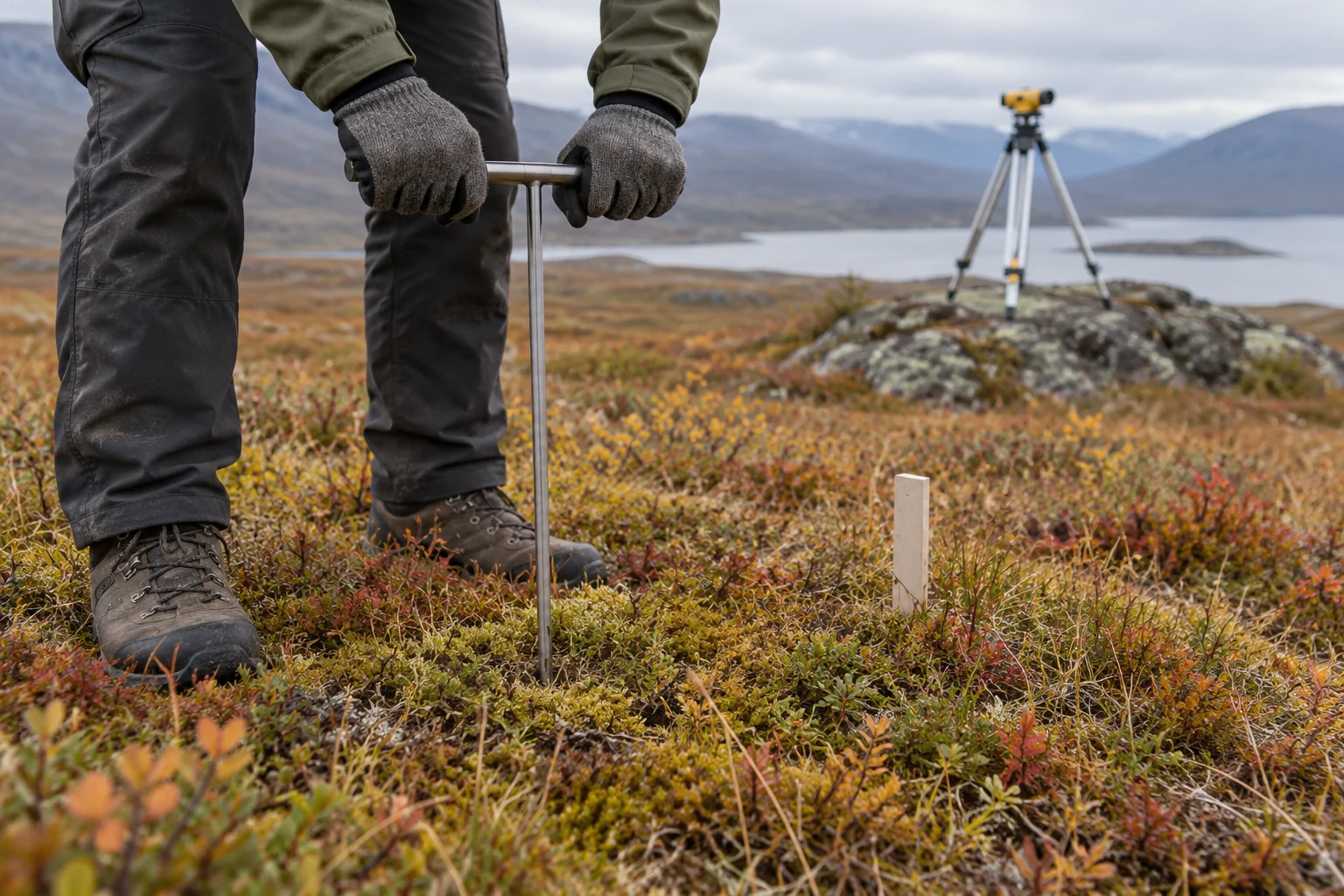
When the ground moves beneath the ruler
A repeated thaw depth can hide a moving surface. Reference conventions, probe refusal, seasonal timing, and survey history keep comparisons honest.
-
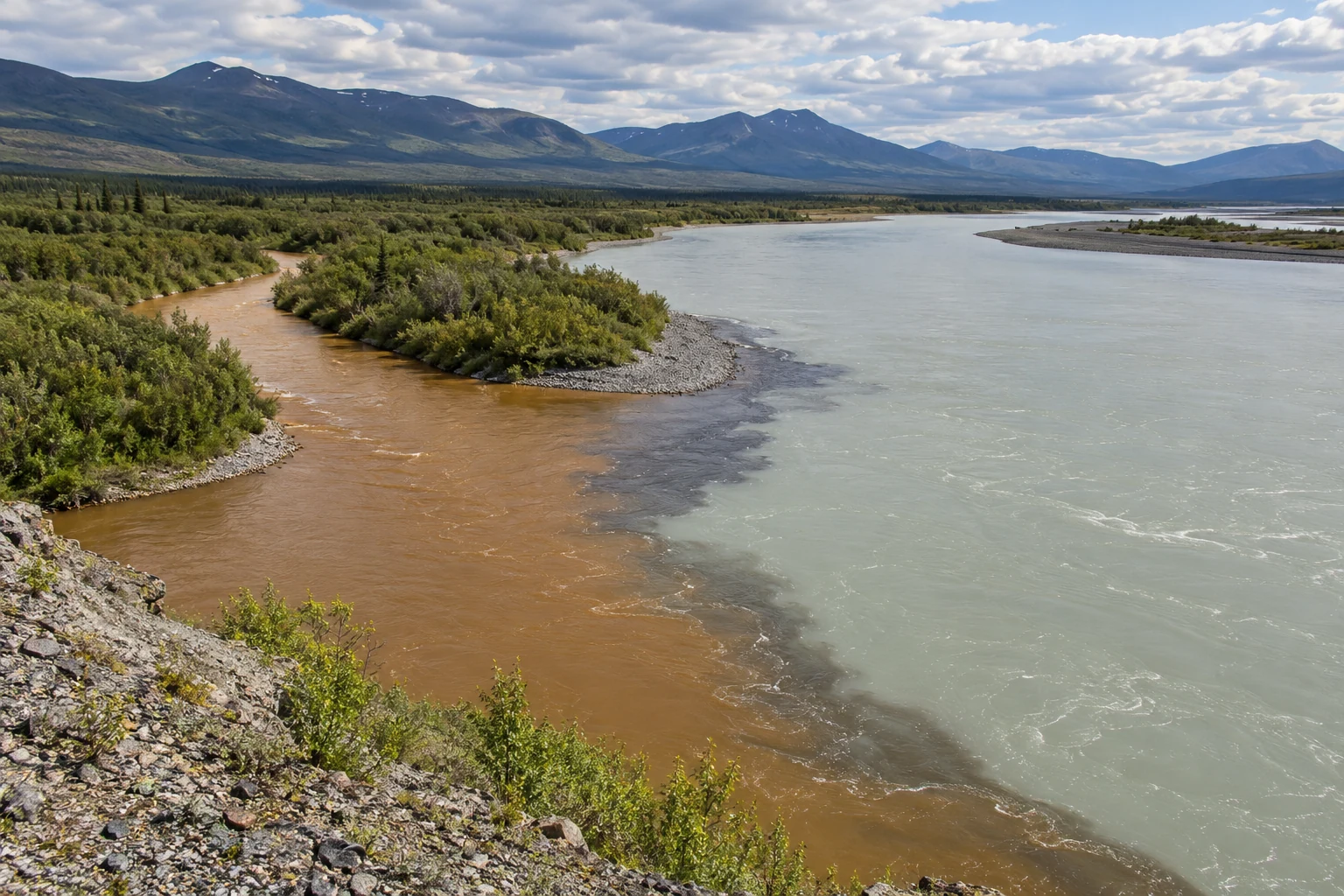
The muddiest water may not carry the most sediment
Concentration is only part of sediment transport. Water flow, event timing, particle properties, and representative sampling complete the picture.
-
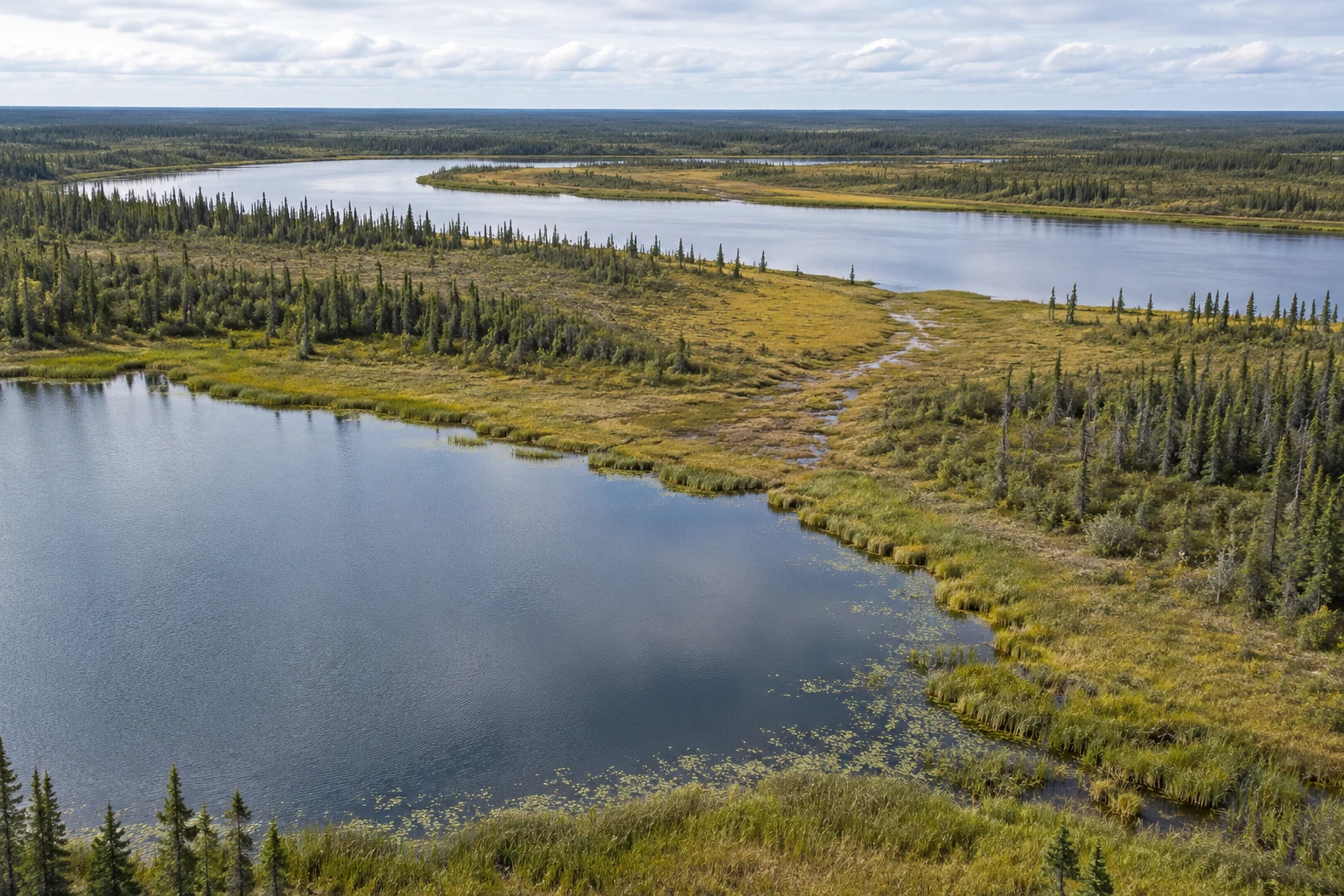
The lake with no visible outlet
Seasonal floods and hidden subsurface pathways connect northern waters. Yukon Flats research shows why a shrinking shoreline is not a complete diagnosis.
-
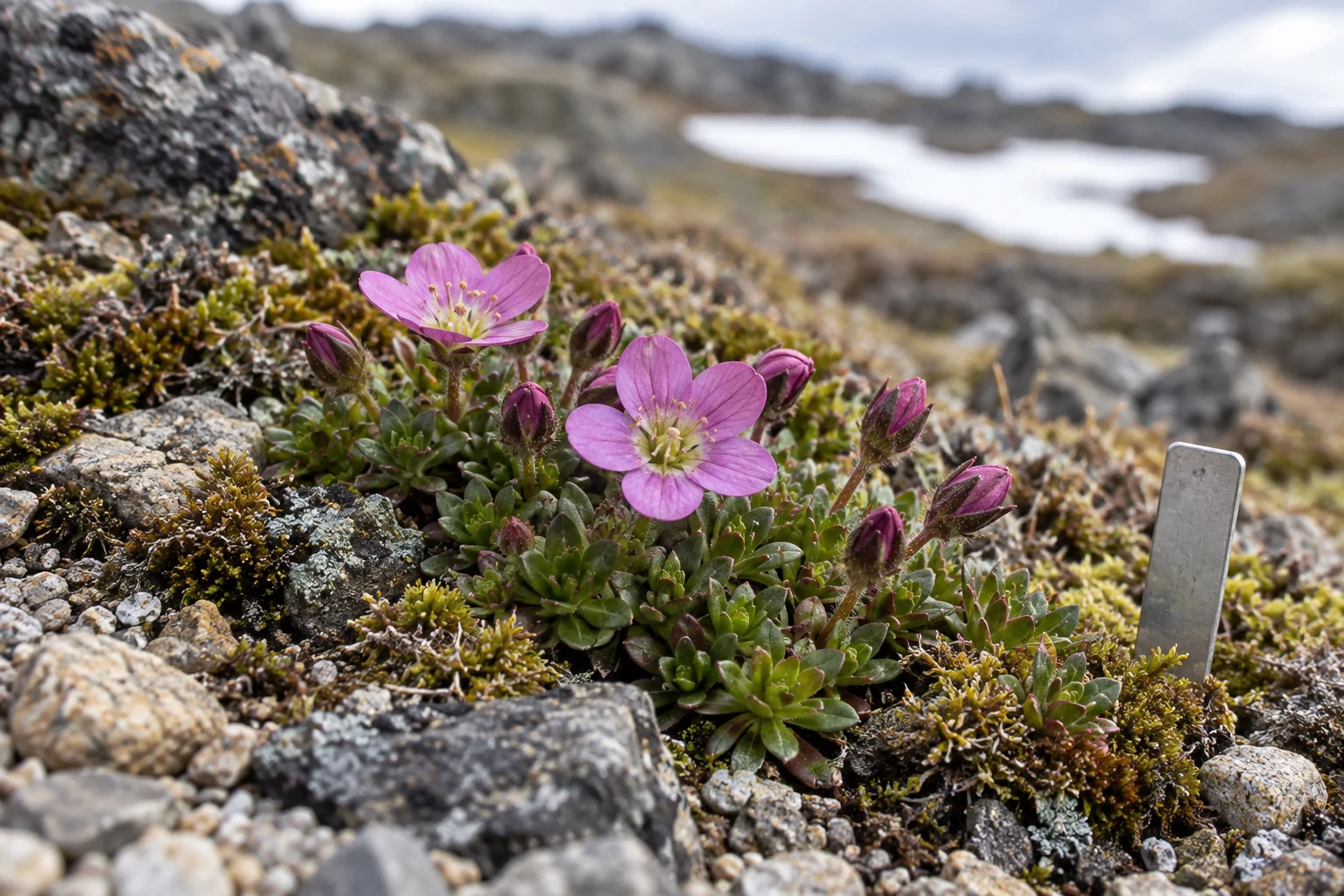
The first flower needs a previous visit
A first detection is not an exact onset date. Negative observations, visit intervals, and flowering intensity make phenology records more useful.