Field Journal
-
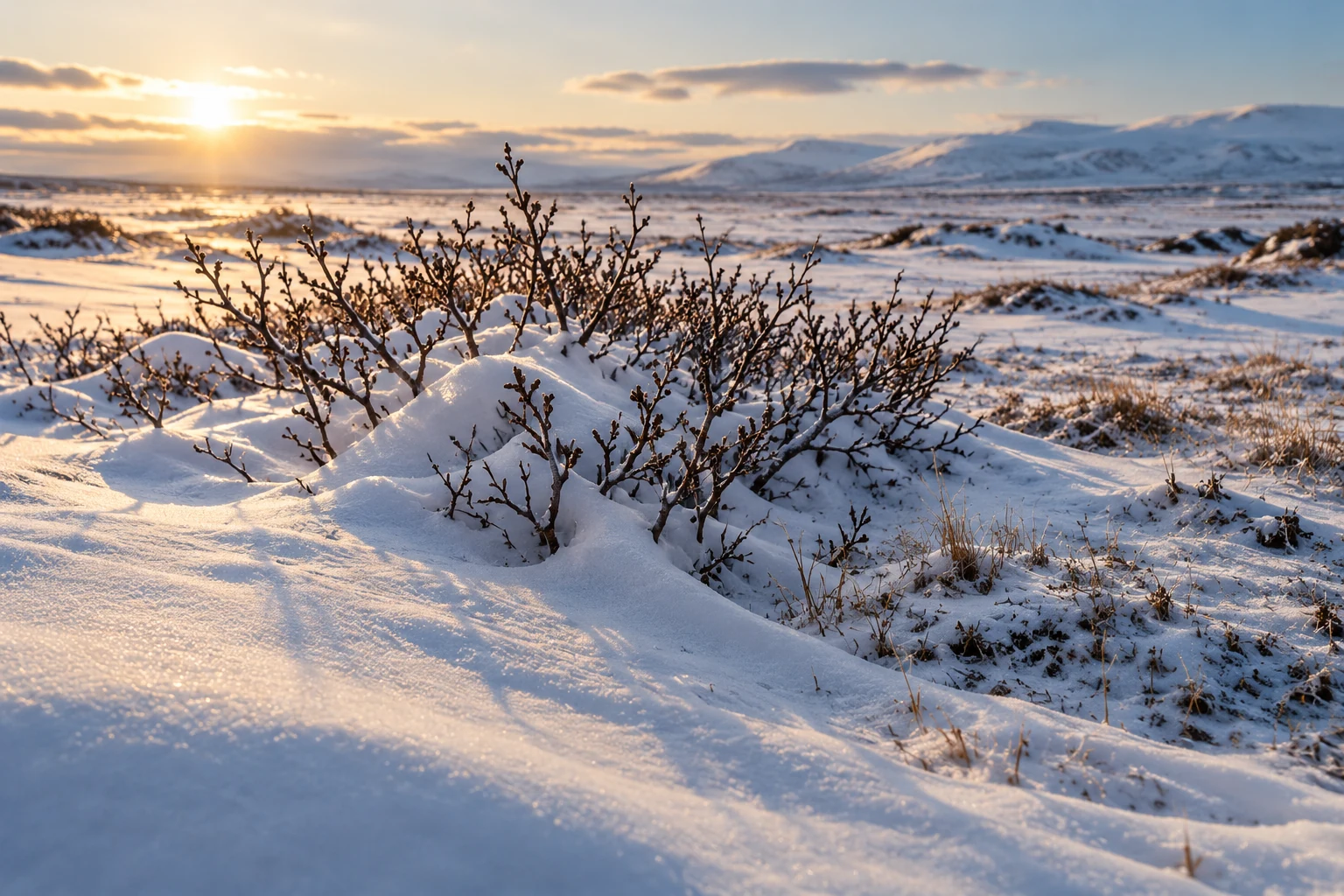
What taller shrubs do to winter
Shrubs alter snow structure, insulation, and sunlight. Published studies show why winter warming and summer soil effects must be read together.
-
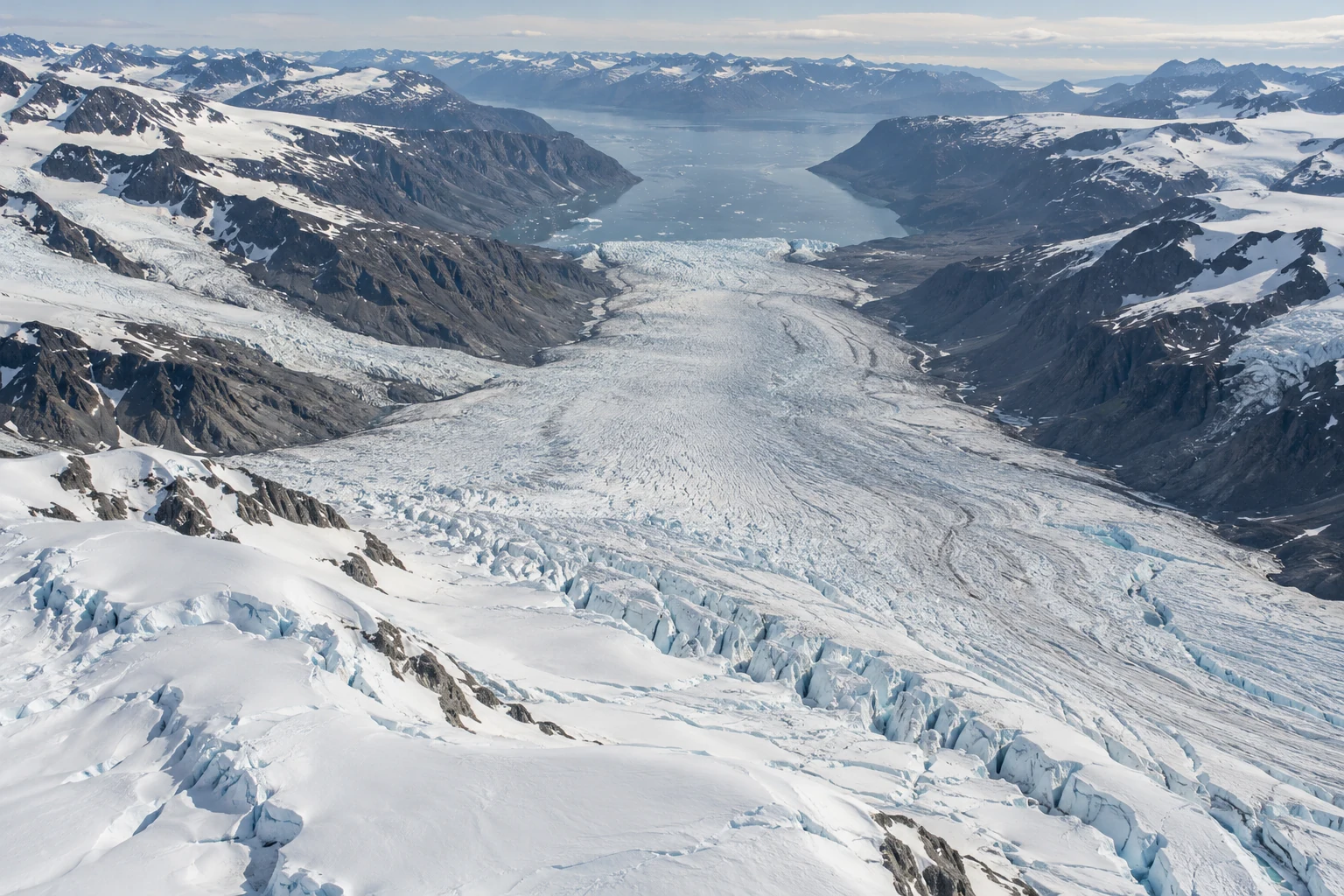
A glacier front is not a balance sheet
Why a glacier’s edge, speed, surface height, and total mass can tell different stories, with Greenland’s 2025 budget as a grounded example.
-
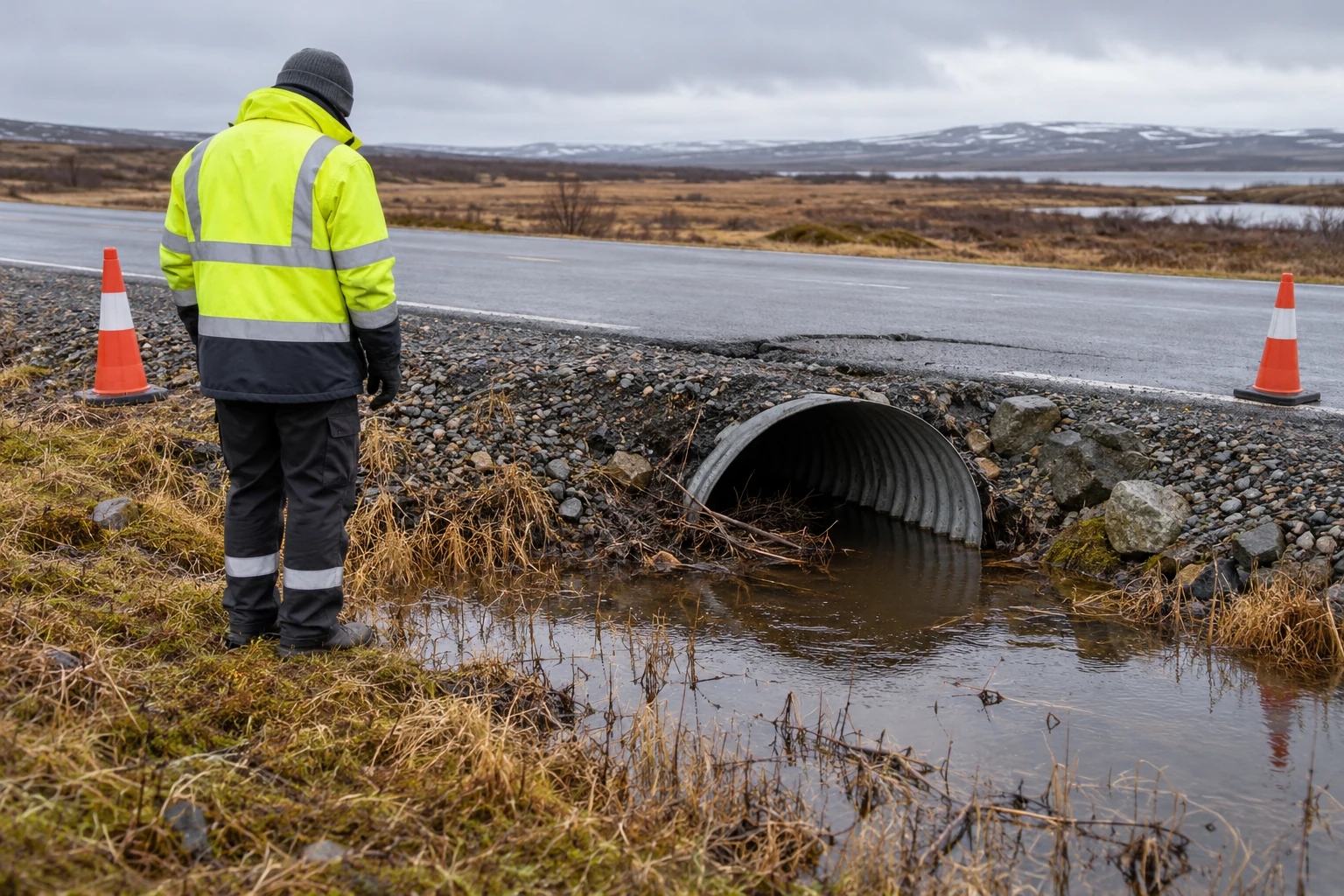
A cracked road needs more than a thaw map
Settlement, erosion, drainage, and slope movement are different infrastructure problems. Start with the service at risk and the evidence for its failure.
-
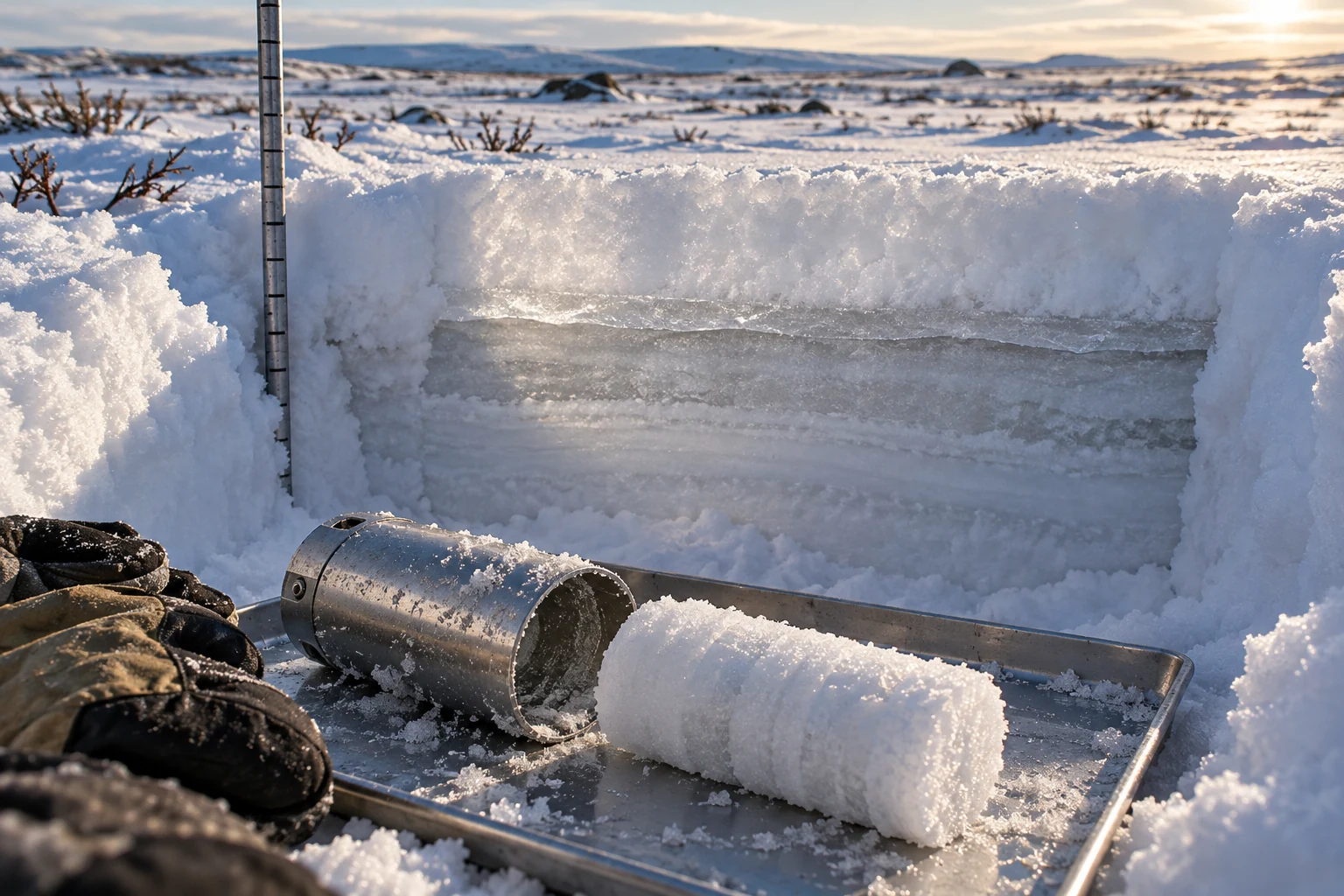
How much water is in that snow?
Equal snow depths can hold different amounts of water. Density, wind redistribution, and sampling purpose determine what a winter measurement means.
-
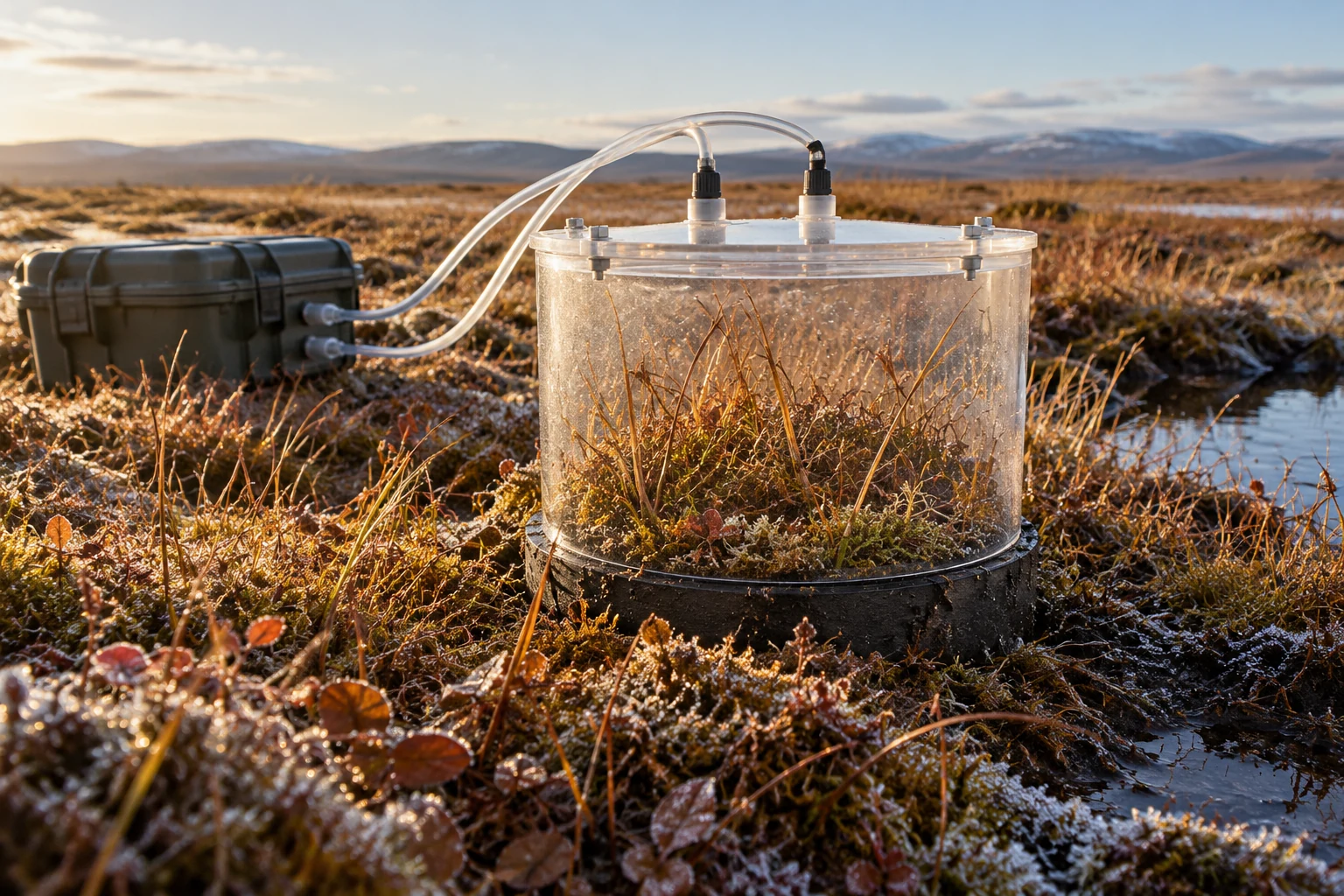
A carbon store is not an annual emission
How to read northern carbon stocks and fluxes without confusing stored material, summer uptake, winter respiration, and regional fire emissions.
-
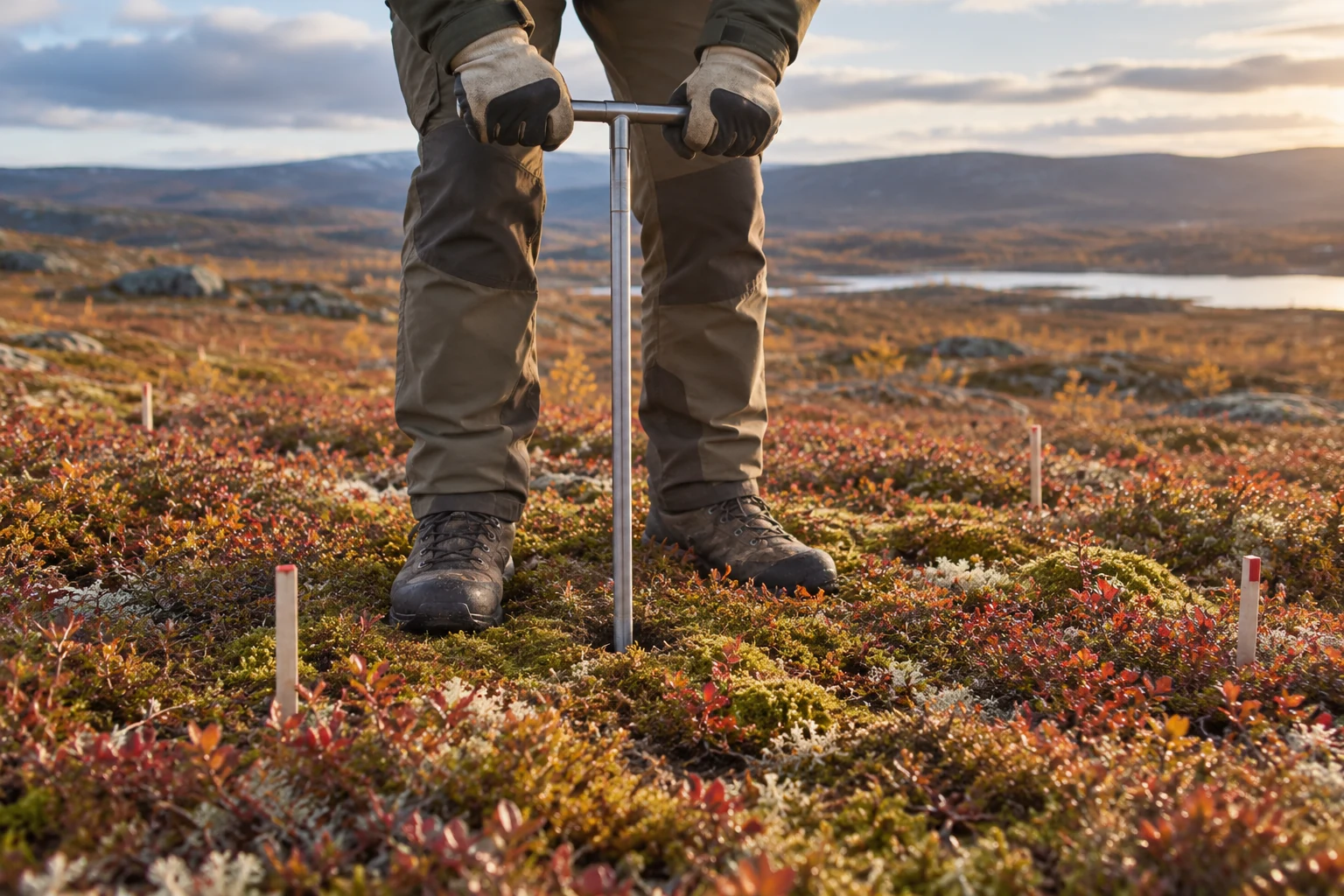
The active layer is not the permafrost
Seasonal thaw depth, ground temperature, and ground-ice content answer different questions. A guide to naming the layer before naming the change.
-
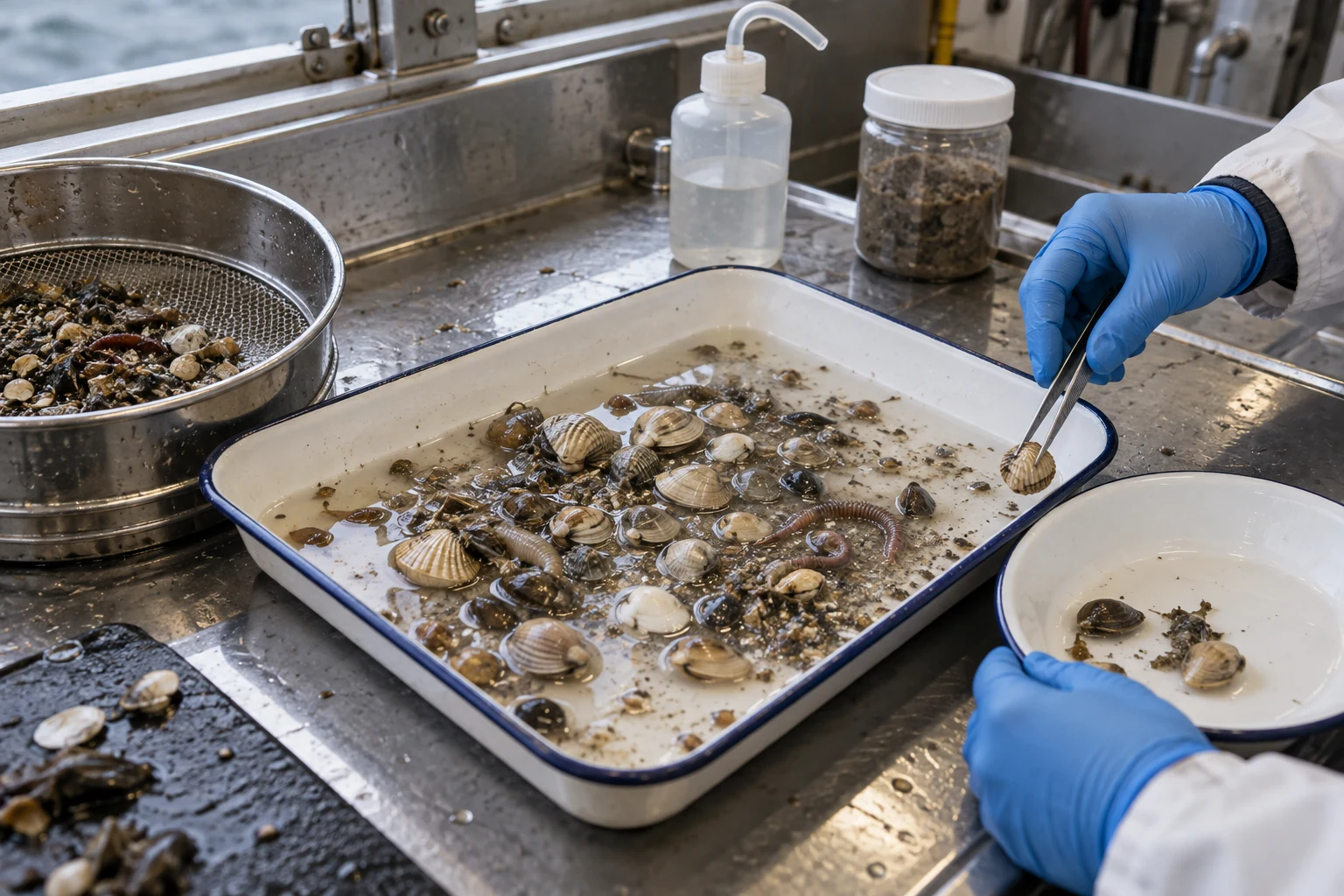
Testing a changing Arctic food web
A Bering and Chukchi Sea synthesis tests borealization against a different food-web mechanism. Mixed species responses, sampling gaps, and an exceptional first year sharpen the conclusion.
-
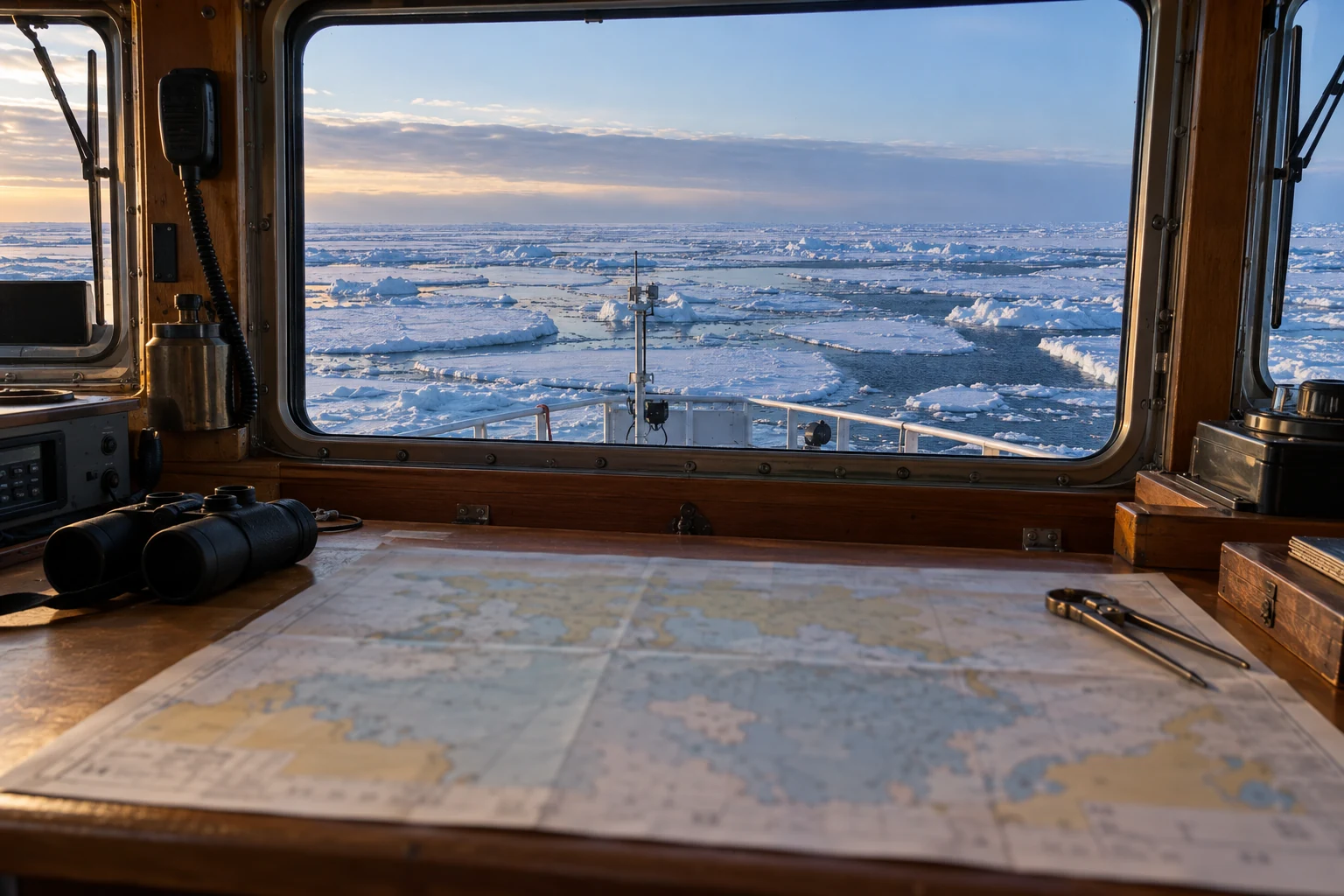
What an ice chart cannot promise
Valid times, egg codes, partial concentrations, and chart coverage matter. Learn why a regional ice analysis cannot guarantee route connectivity, local strength, or a safe journey.
-
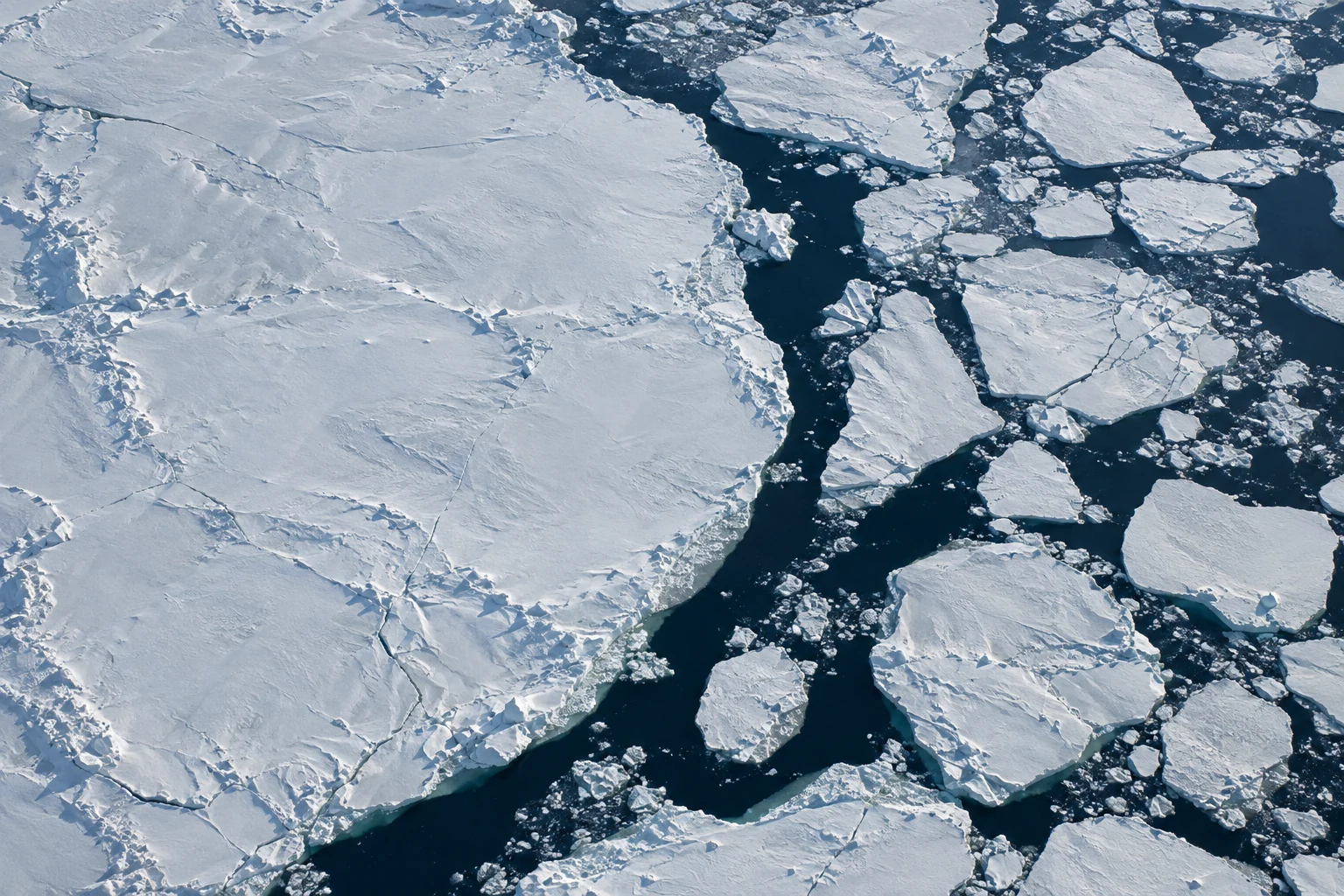
A sea-ice pixel is not a habitat map
Identical ice concentrations can conceal different floes, openings, and feeding opportunities. Habitat interpretation needs geometry, seabed context, compatible dates, and evidence of what animals actually use.