Open Data
-
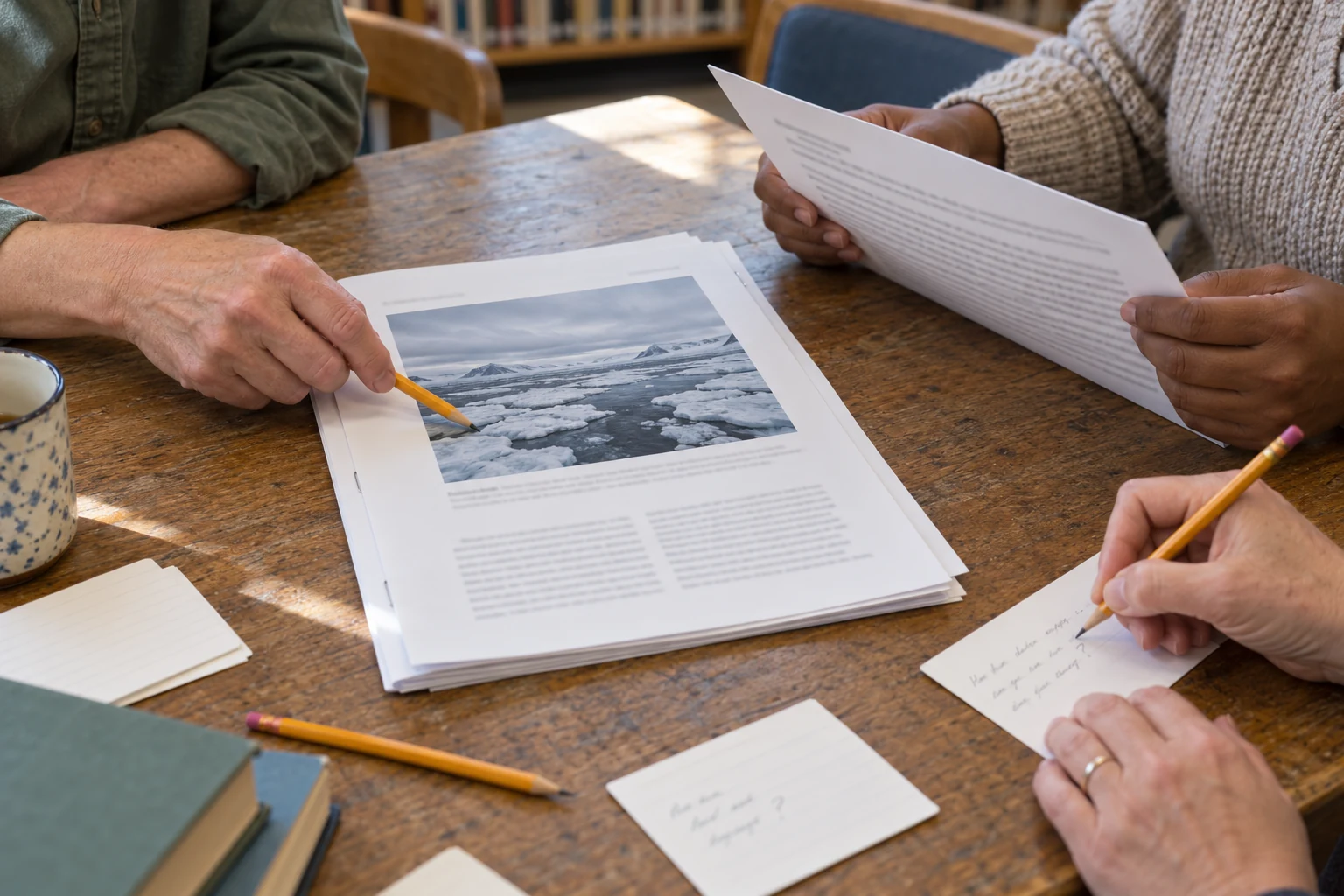
An evidence session with room for a better question
Design a school or community session around one source, a testable claim, accessible participation, and a traceable answer rather than a roomful of pledges.
-

Read the Arctic Report Card beyond the headlines
Follow a headline into its definition, table, calendar, and method, from daily sea ice minima to the limits of an observing-network assessment.
-
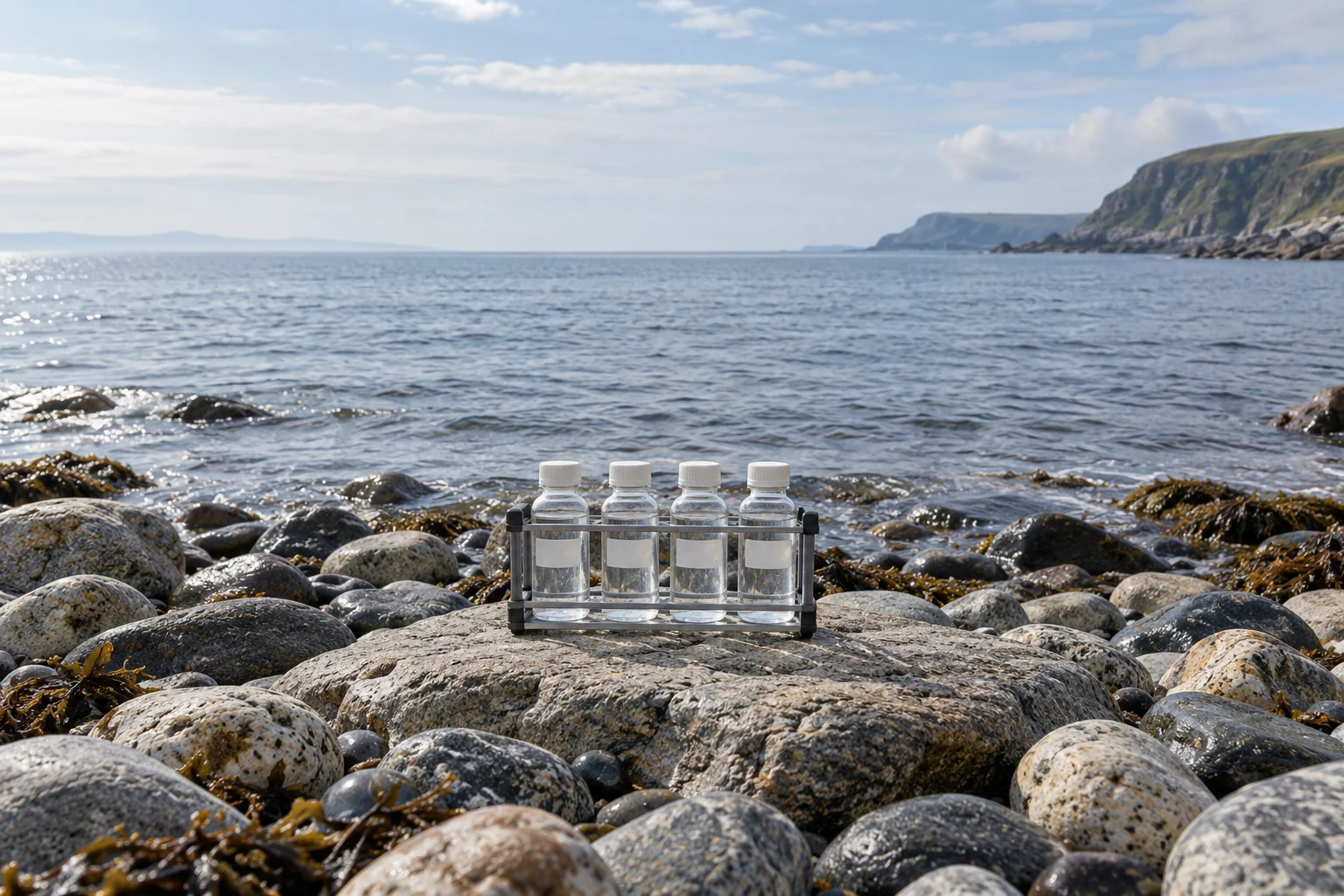
Say what is uncertain, precisely
Distinguish measurement ranges, confidence, mechanisms, and policy choices. Specific limits make climate evidence more usable than vague caution.
-
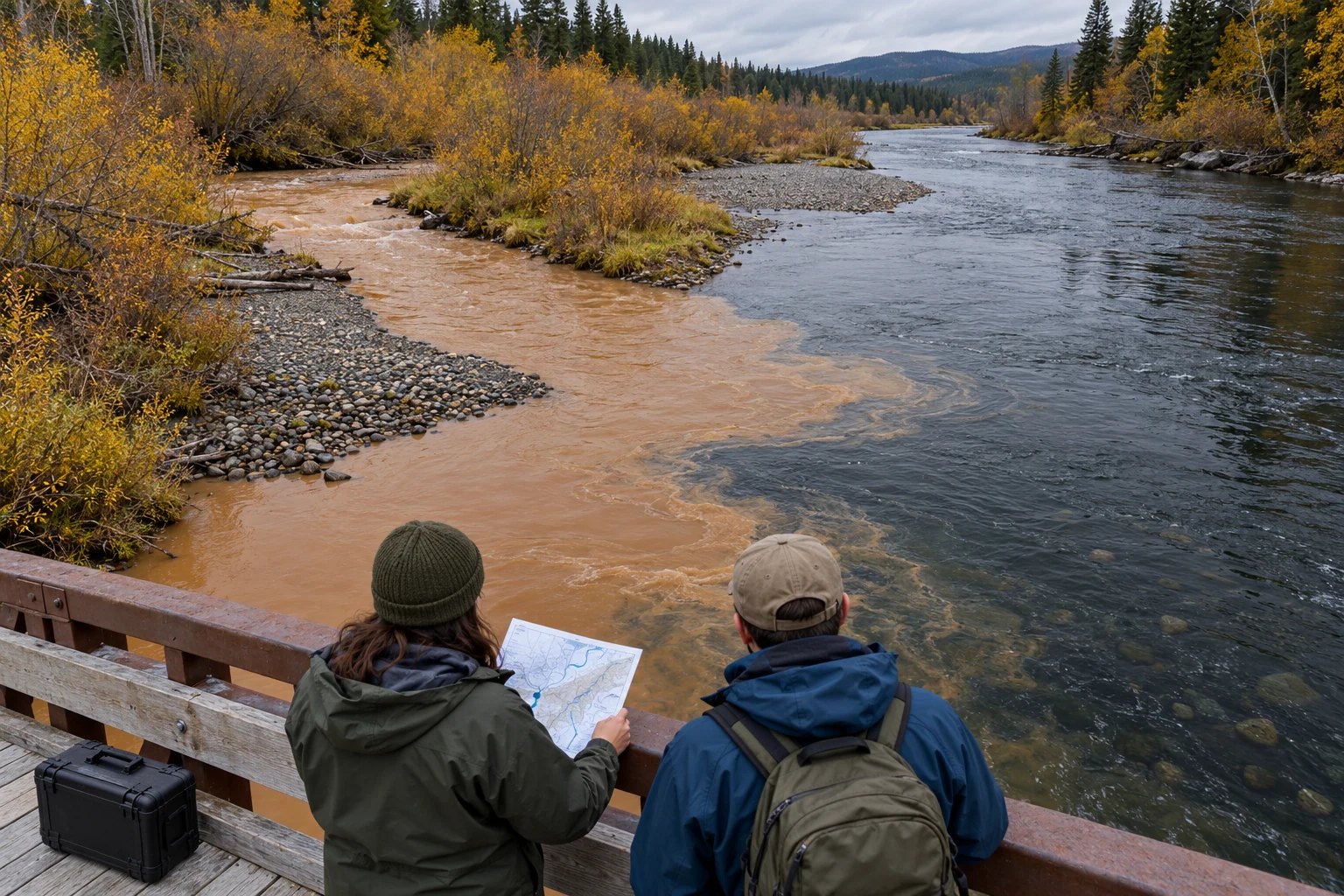
A research question before a sensor
Use a hypothetical river-water question to work backwards from a real concern to sampling, competing explanations, maintenance, and a defensible measurement.
-
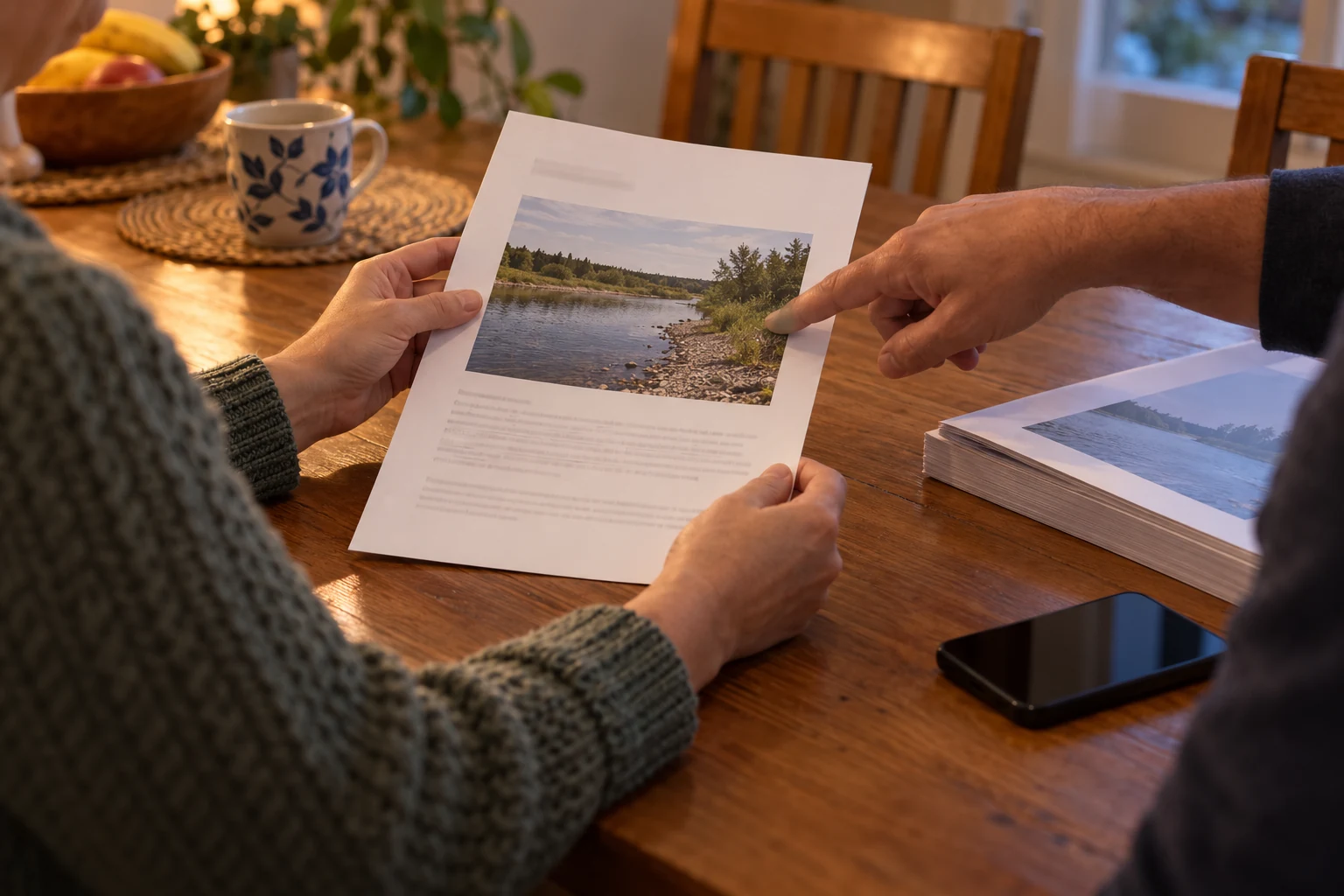
When results make the journey home
Return an understandable answer, not merely a download link: agree formats, protect privacy, explain charts, and leave a route for questions and corrections.
-
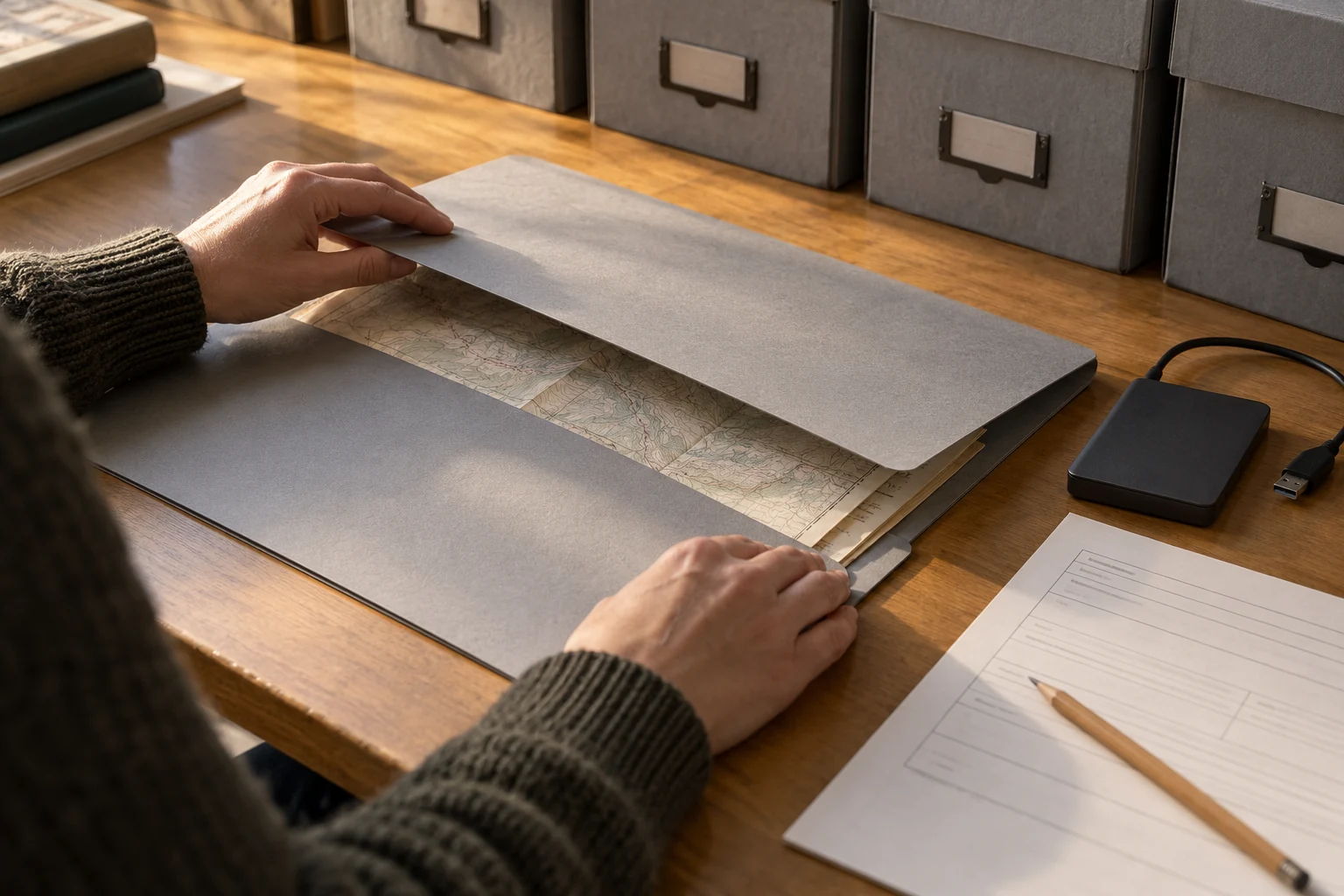
Open data, whose authority?
Reading the National Inuit Strategy on Research as connected commitments to governance, funding, capacity, and data authority, not a permission checklist.
-

A reproducible chart starts before the chart
Keep the question, baseline, input version, filters, and calculation with a public graphic so another reader can recover more than its pixels.
-
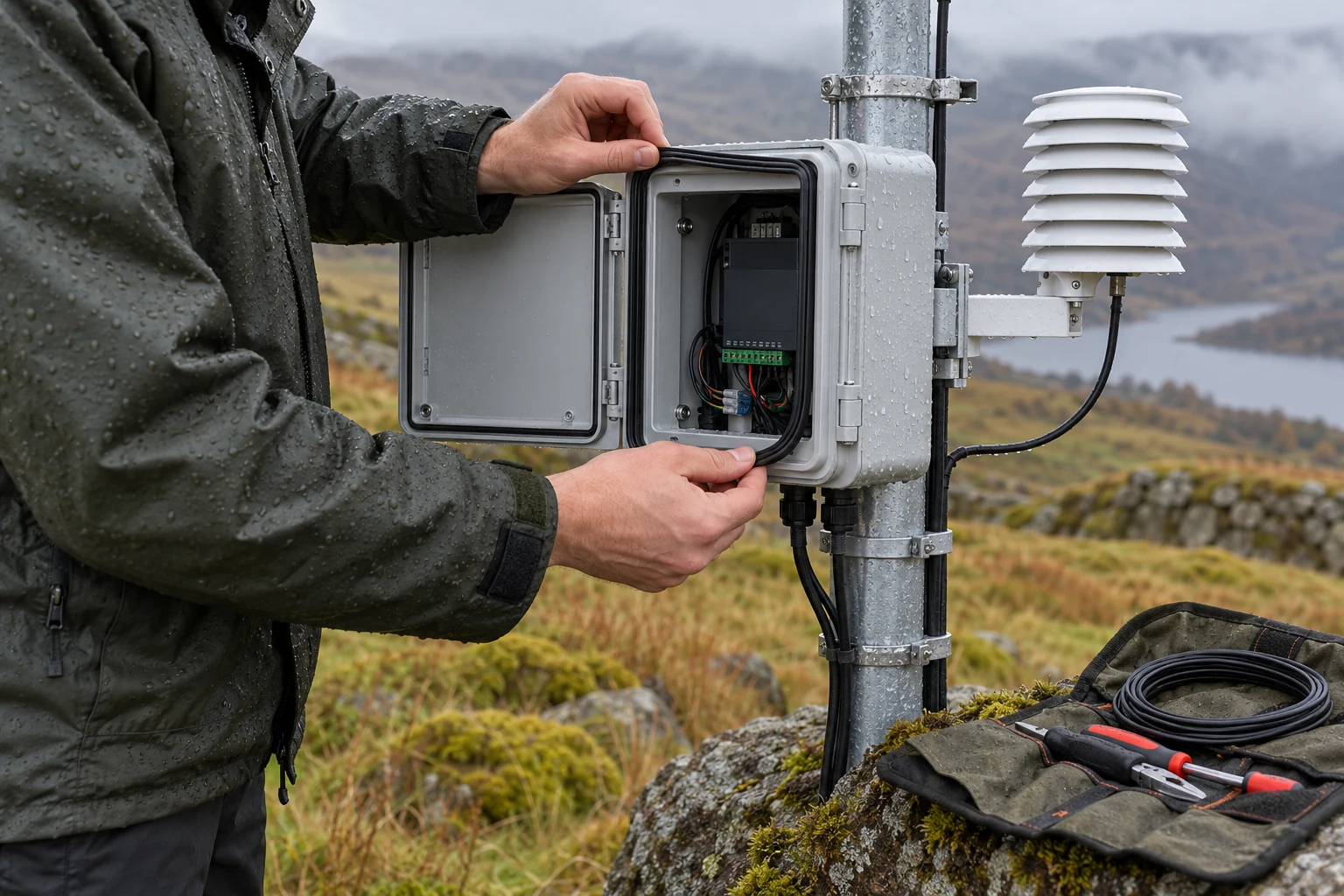
Maintenance is the next observation
A long record needs more than a new sensor. Budget for the second winter, skilled people, governed stewardship, and a responsible ending.
-
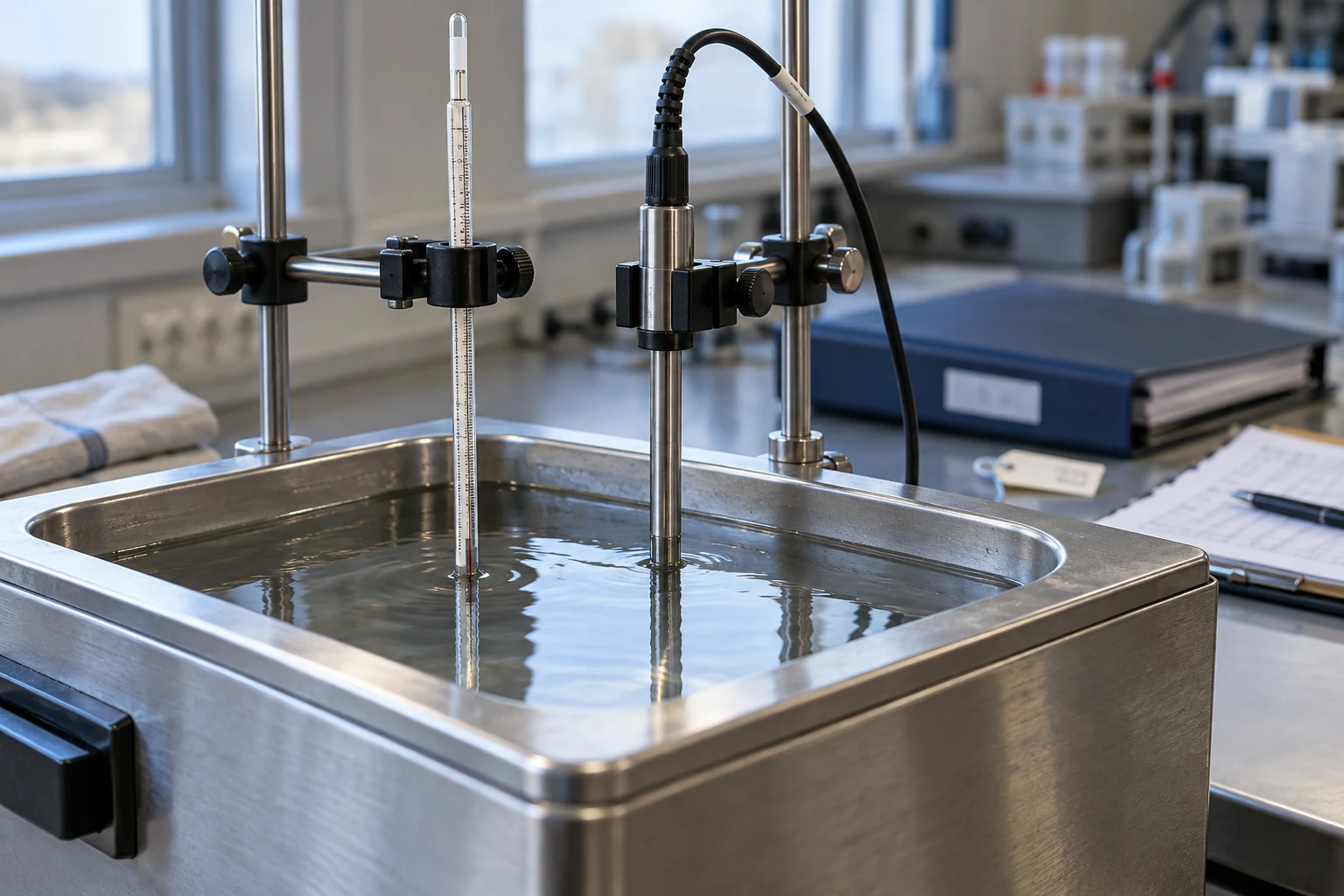
The calibration record behind a trusted number
Traceability, adjustment, field checks, and sensor replacement: why a certificate cannot carry the whole uncertainty of a measurement.