Open Data
-
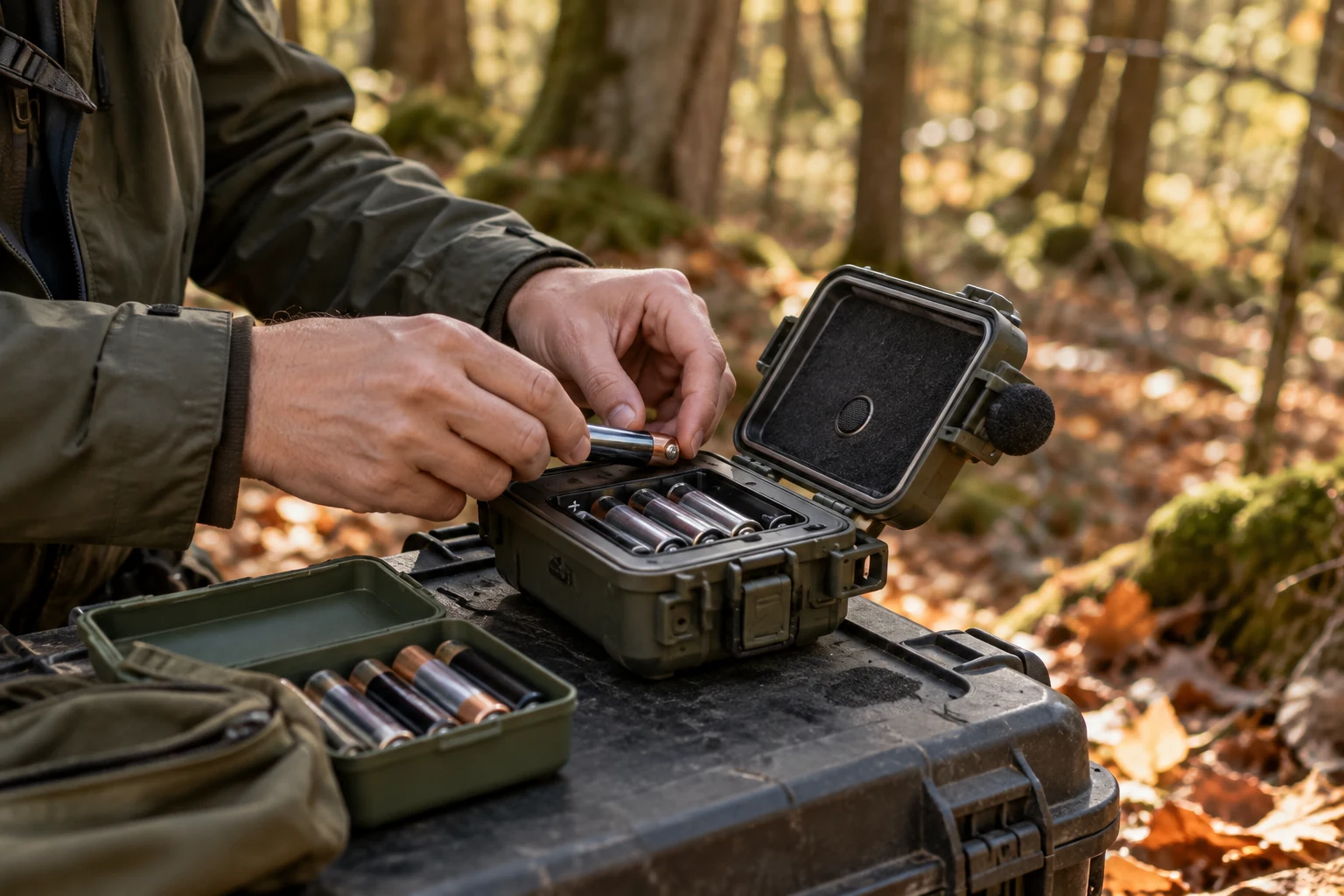
Missing observations are not zeroes
A failed recorder, a masked call, and zero detections are different findings. How effort, flags, and honest gaps protect an observation record.
-
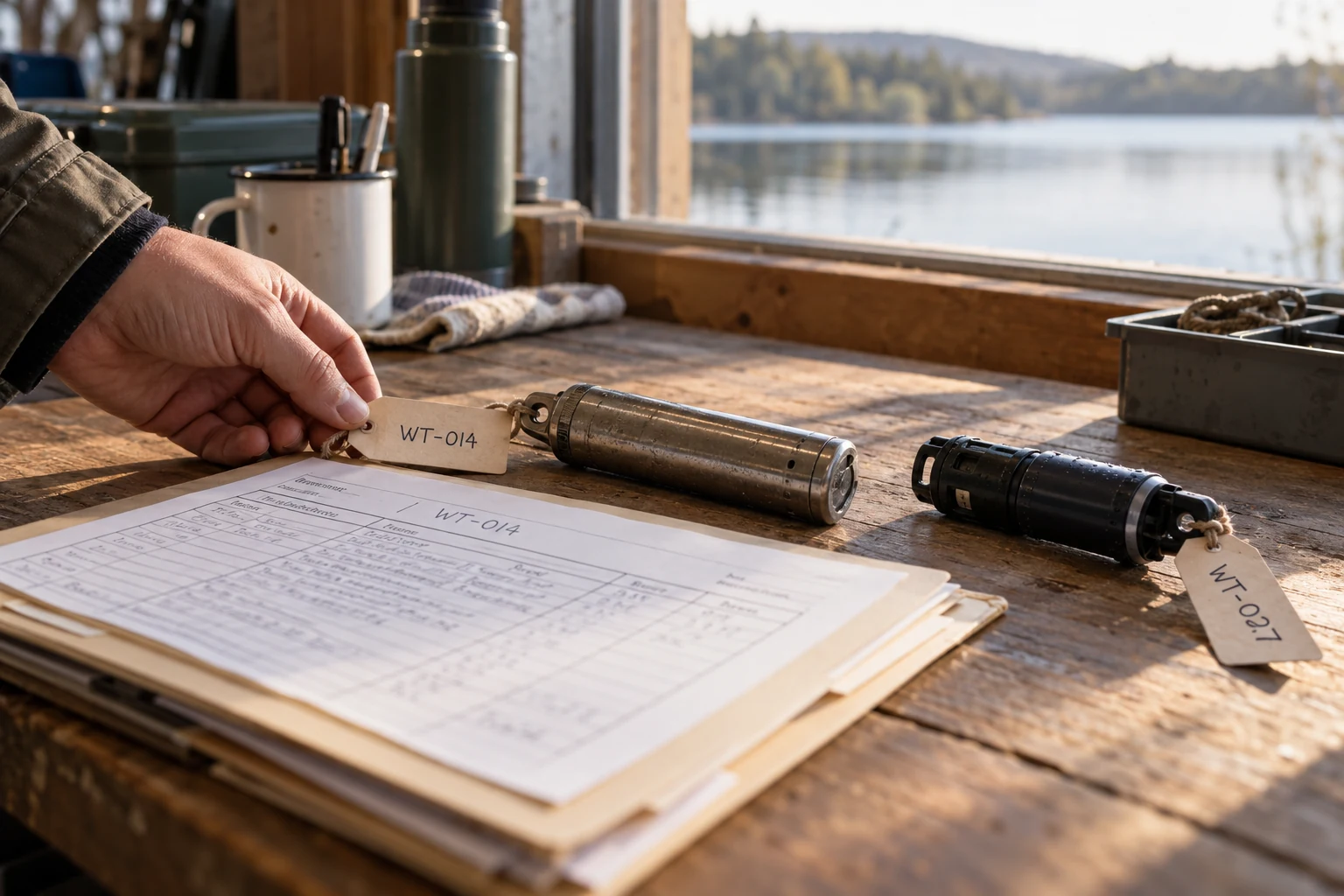
Metadata that outlives an instrument
What a future reader needs to recover a measurement’s meaning: sampling intervals, deployment changes, versions, governance, and a responsible steward.
-
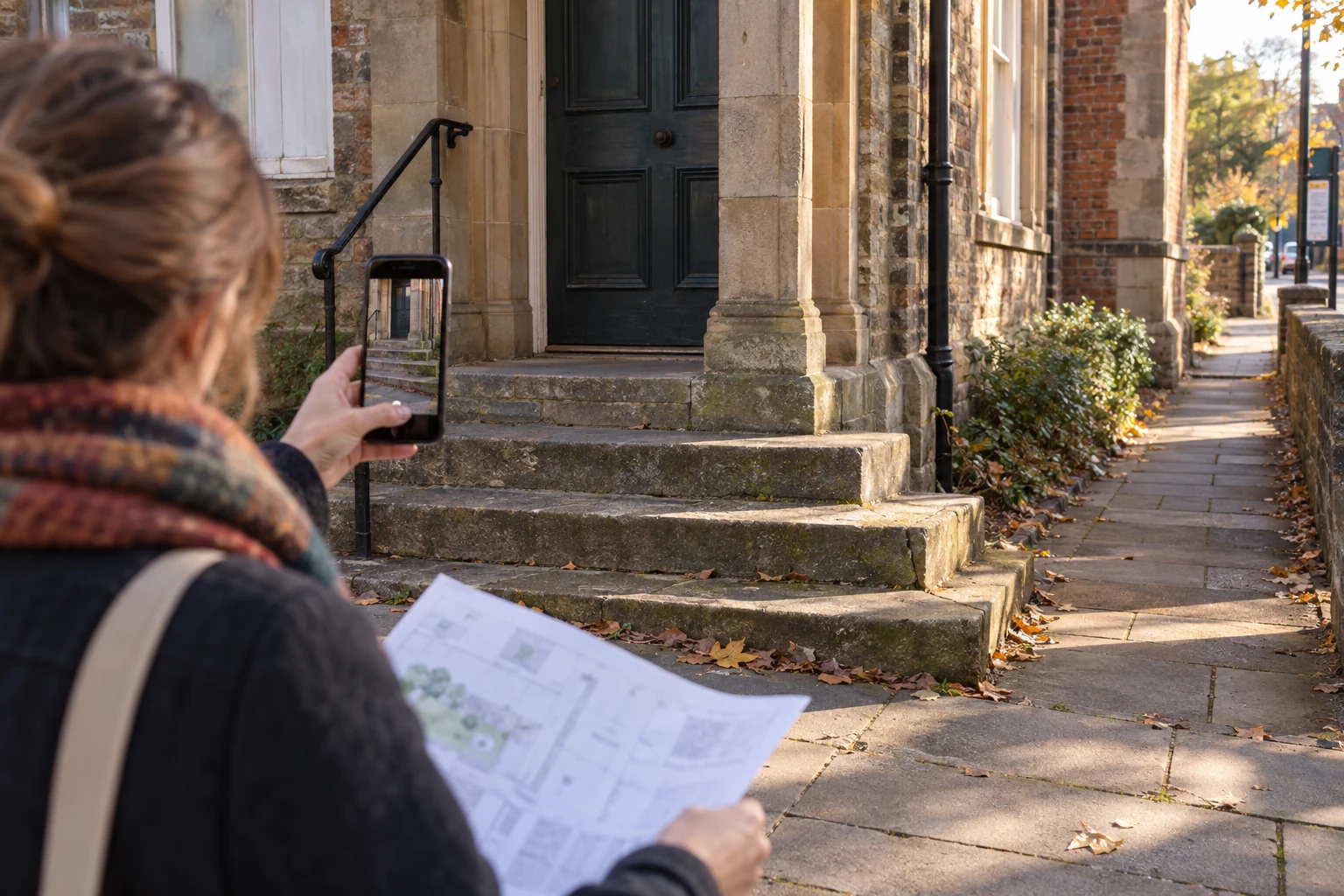
A consultation response someone can act on
Find the decision still open, connect local experience to the relevant proposal, request a specific change, and keep the question in the decision record.
-

Keep the question small when you disagree
Separate observations, causes, uncertainty, and policy choices so that a difficult climate discussion can return to a claim the evidence can answer.
-

A carbon label is a question, not a verdict
Read the unit, life-cycle boundary, comparison, and evidence behind a product claim before asking a carbon number to settle the purchase.
-

What the food bin can tell you
A small, non-judgemental food audit can reveal whether pack sizes, storage, changing plans, or unclear labels are causing avoidable waste.
-
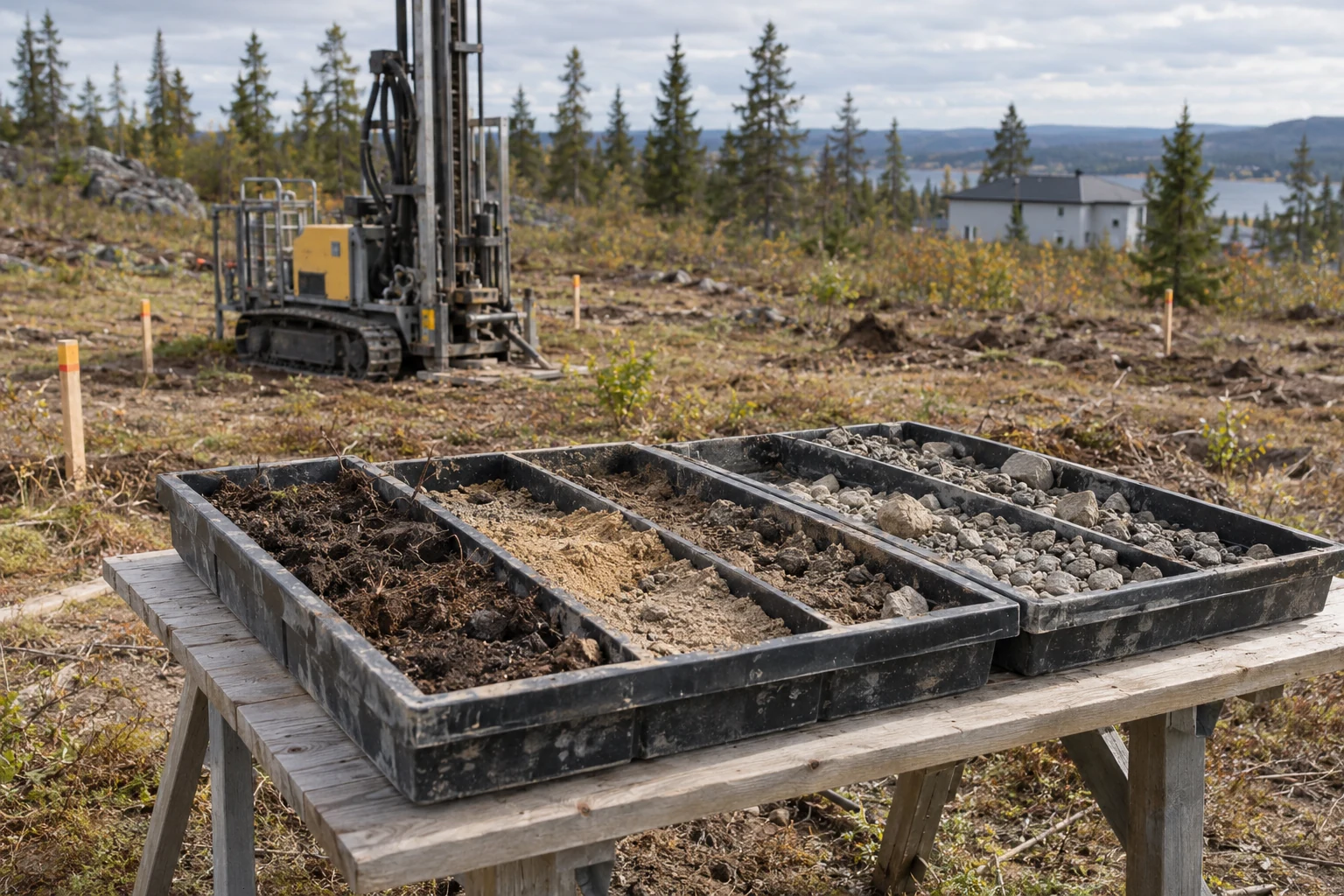
A permafrost map cannot inspect a building plot
Read extent classes, ground-ice estimates, map scale, and missing coverage before asking a regional map to answer a site-specific question.
-
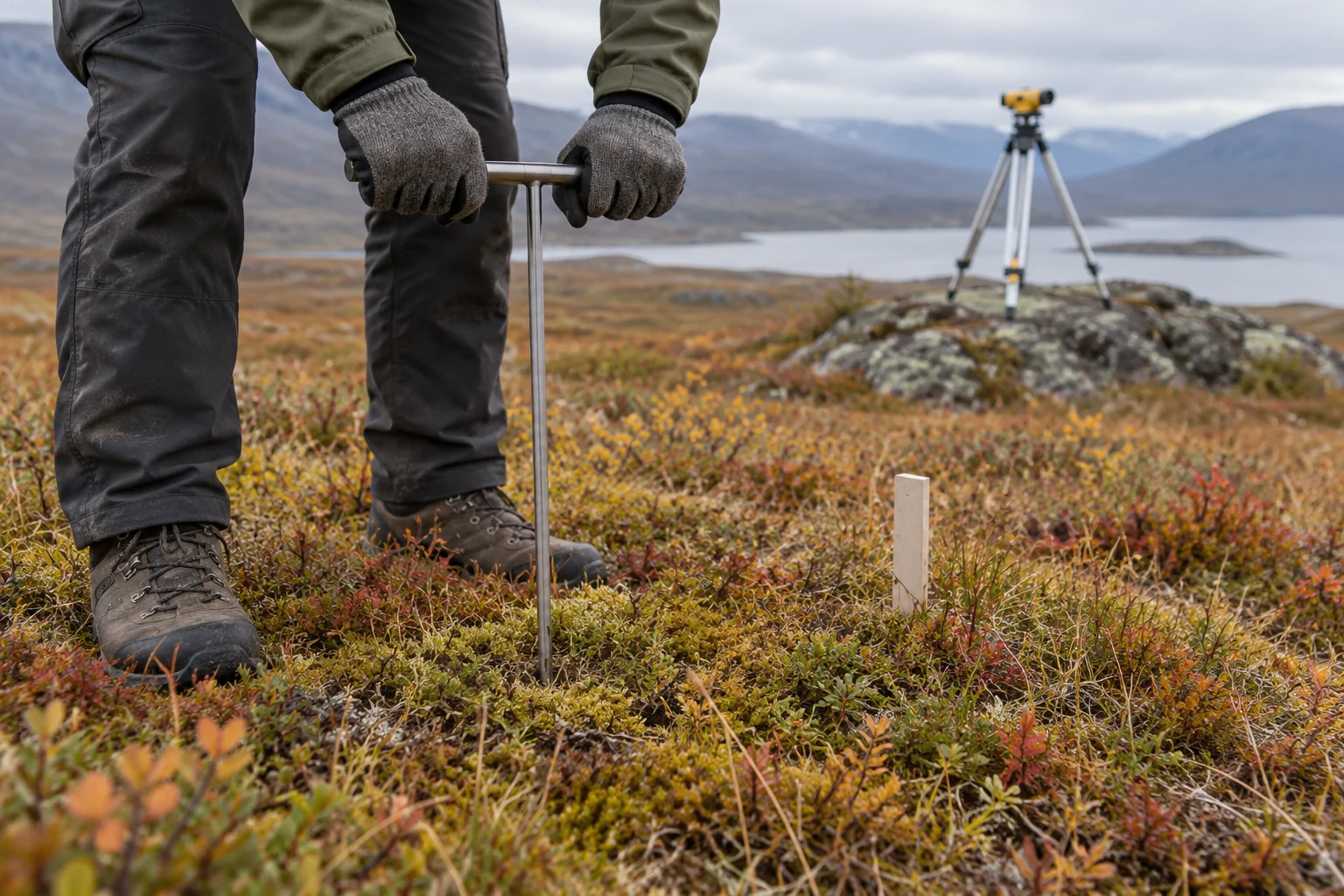
When the ground moves beneath the ruler
A repeated thaw depth can hide a moving surface. Reference conventions, probe refusal, seasonal timing, and survey history keep comparisons honest.
-
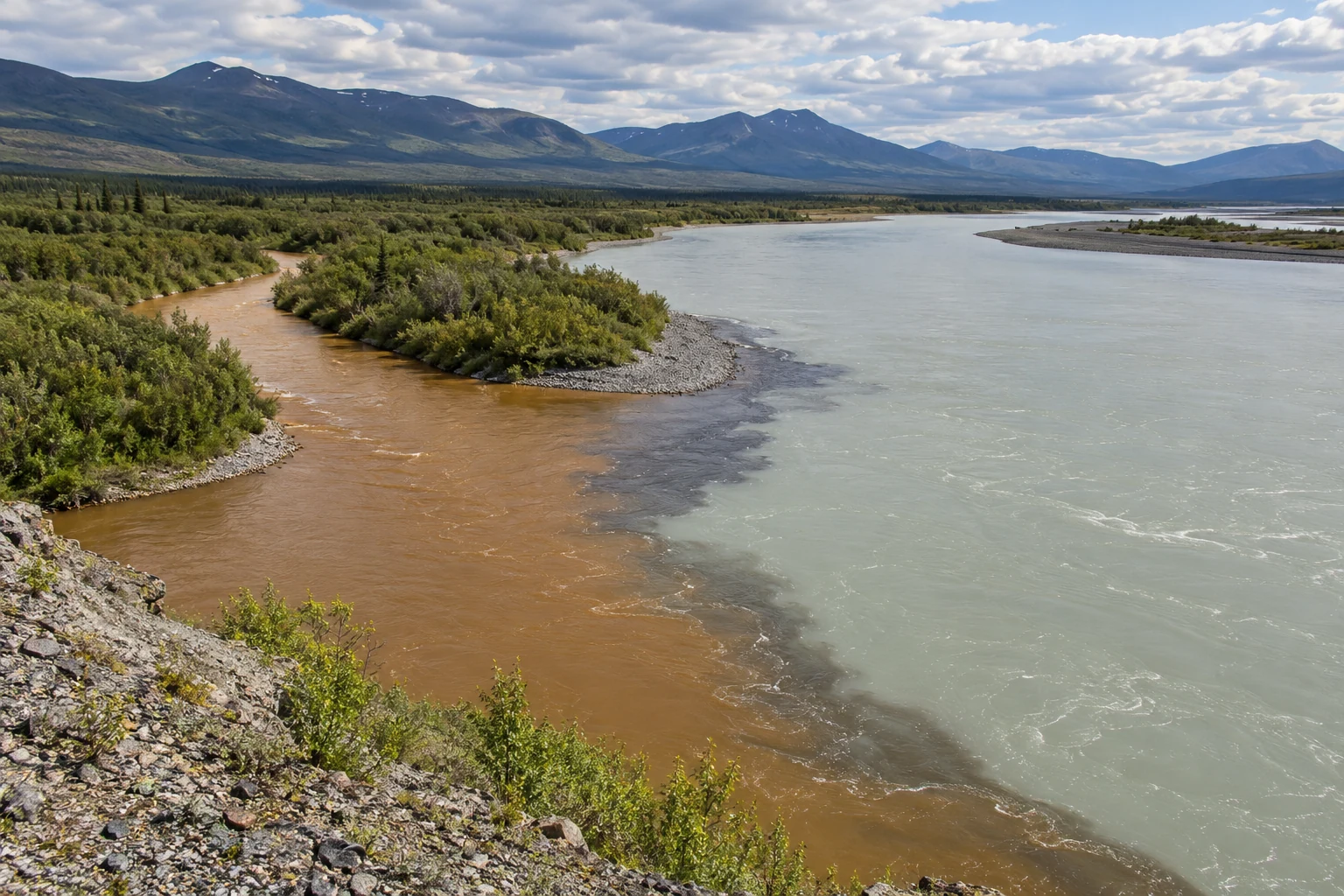
The muddiest water may not carry the most sediment
Concentration is only part of sediment transport. Water flow, event timing, particle properties, and representative sampling complete the picture.